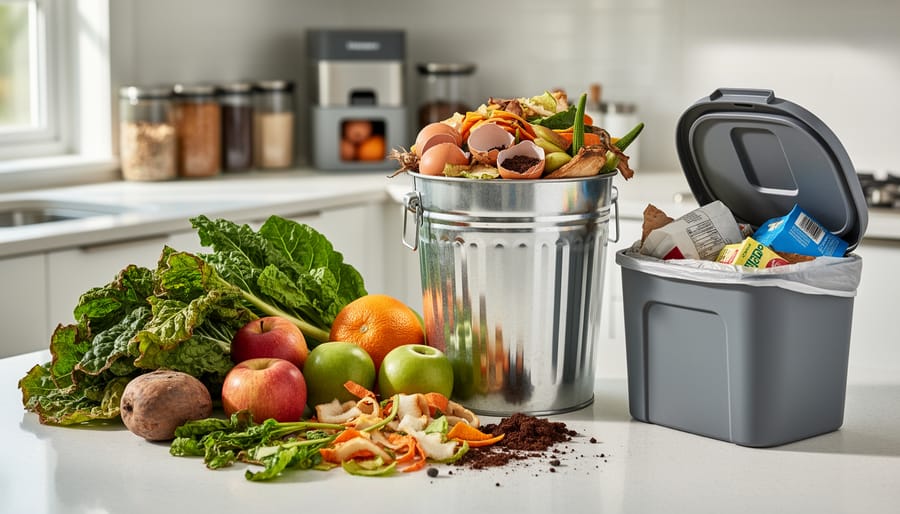
Wasting food harms the planet in eight major ways: it generates methane emissions in landfills, wastes the water and energy used in production, accelerates deforestation, pollutes waterways, squanders agricultural land, intensifies climate change, depletes soil health, and drives unnecessary packaging waste. Each time you toss out a wilted salad or forgotten leftovers, you’re not just discarding food. You’re throwing away all the resources that went into growing, processing, packaging, and transporting it. In Canada, we waste …
Category: Food Waste Education
Explainers, data, and guidance on the environmental, economic, and social impacts of food waste in Canada, plus community-driven ways to reduce it at home and locally.
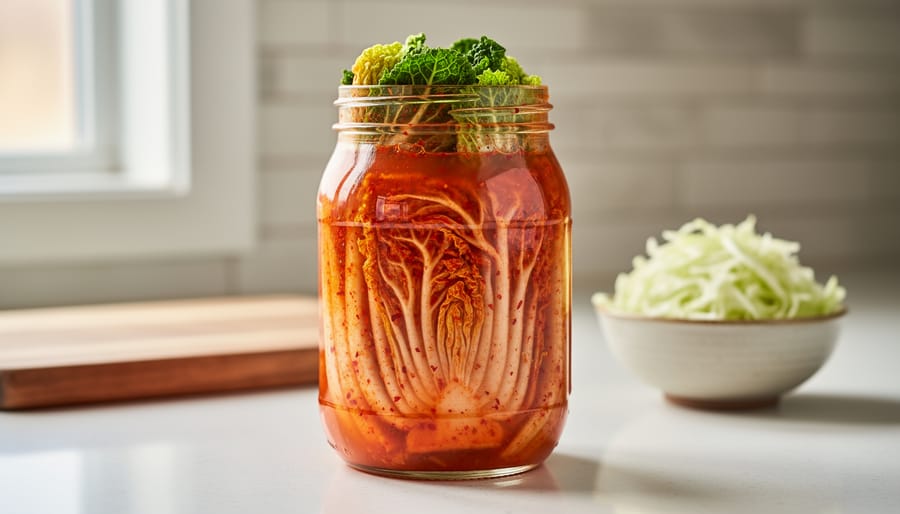
Why Canadians Are Wasting Less Kimchi (And How You Can Too)
Kimchi transforms vegetable scraps and surplus cabbage into a probiotic powerhouse that can last months in your fridge, making it one of the most practical tools for cutting kitchen waste while embracing a global food trend that’s booming across Canada. This ancient Korean preservation technique tackles the core challenge of how food waste harms the planet by extending the life of fresh produce through natural fermentation, a process that requires nothing more than salt, time, and the right bacteria.
The numbers tell a …
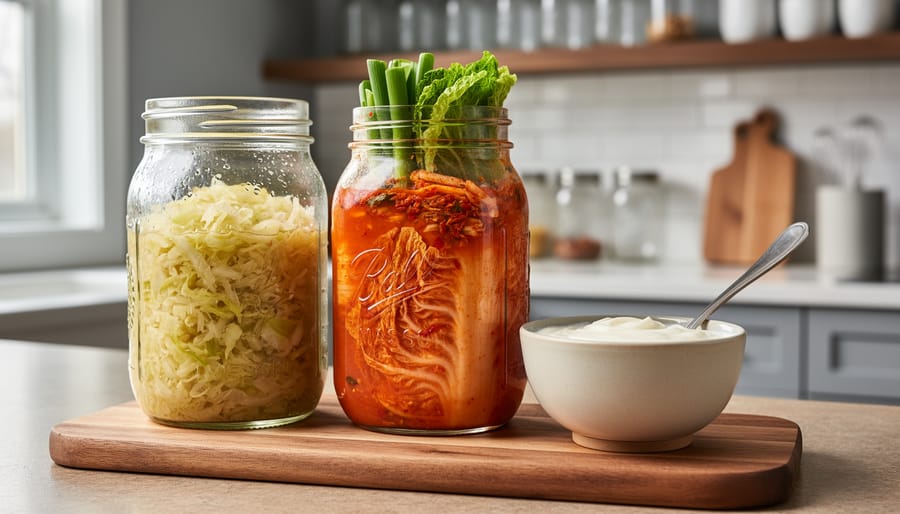
15 Fermented Foods to Add to Your Kitchen (and Cut Food Waste at the Same Time)
Fermented foods span everything from tangy yogurt and crunchy sauerkraut to fizzy kombucha and umami-rich miso. This ancient preservation method, where beneficial bacteria or yeast break down sugars and starches, has nourished humans for thousands of years and continues to gain attention in 2026 for its gut-health benefits and role in reducing food waste.
If you’re looking to explore fermented options for your kitchen, you’ll find 15 practical choices organized by category below: dairy staples like kefir and cheese, vegetable favorites including kimchi and pickles, soy-based proteins such as tempeh and natto, cultured …
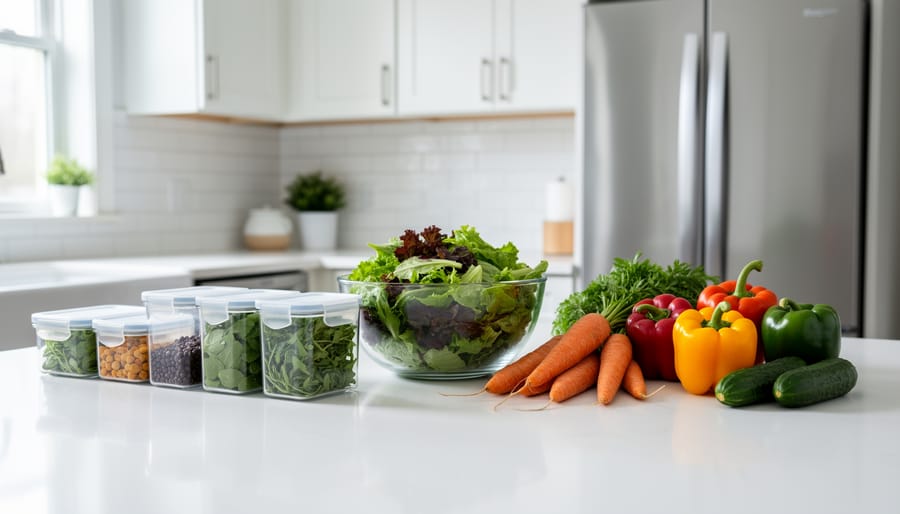
How to Save Food from Wasting: Practical Tips for Every Canadian Kitchen
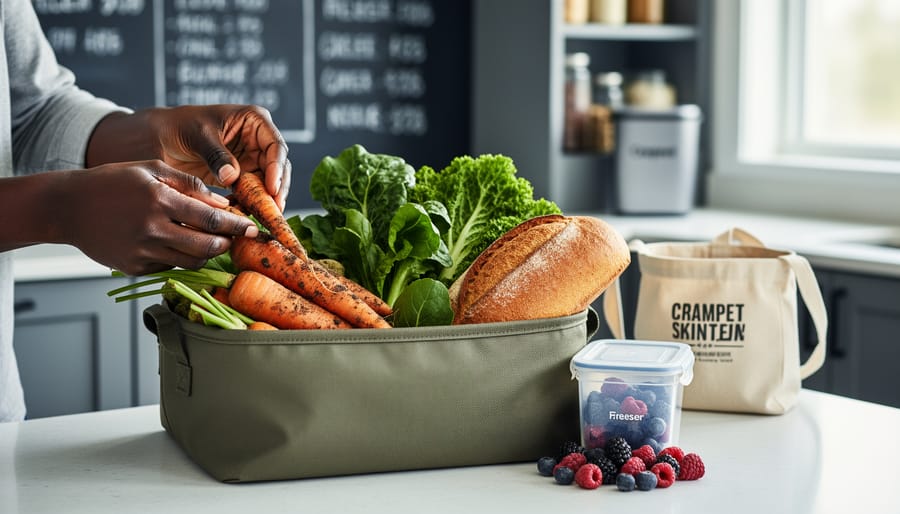
Canadians throw away nearly $1,200 worth of food every year, but you can cut that waste in half by adopting just a handful of smart storage habits, meal planning techniques, and strategic shopping decisions. Saving food isn’t about perfection or complex systems. It’s about understanding how food spoils, organizing your kitchen to keep ingredients visible, and creating simple routines that turn potential waste into meals your family actually eats.
Food waste harms the planet through …
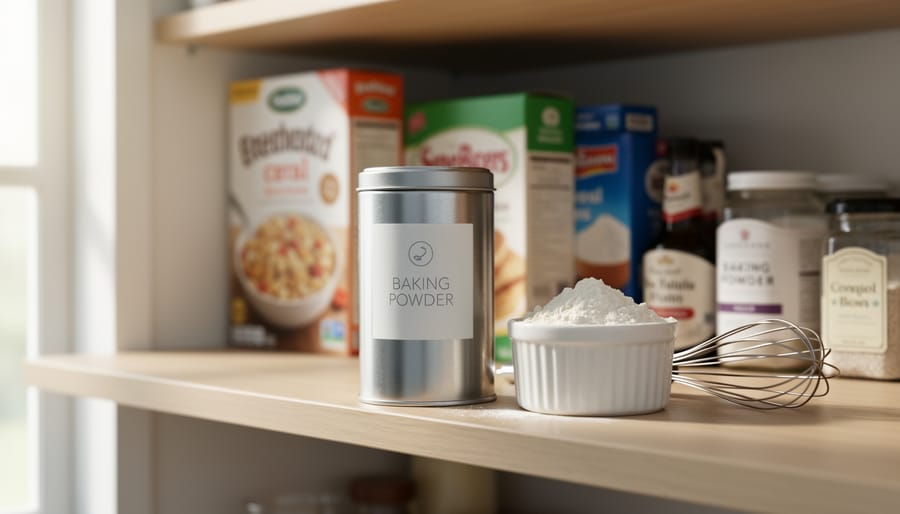
How Long Does Baking Powder Last? Your Complete Shelf Life Guide
Unopened baking powder typically lasts 18 to 24 months from the manufacturing date, while an opened container stays fresh for about 6 to 12 months when…
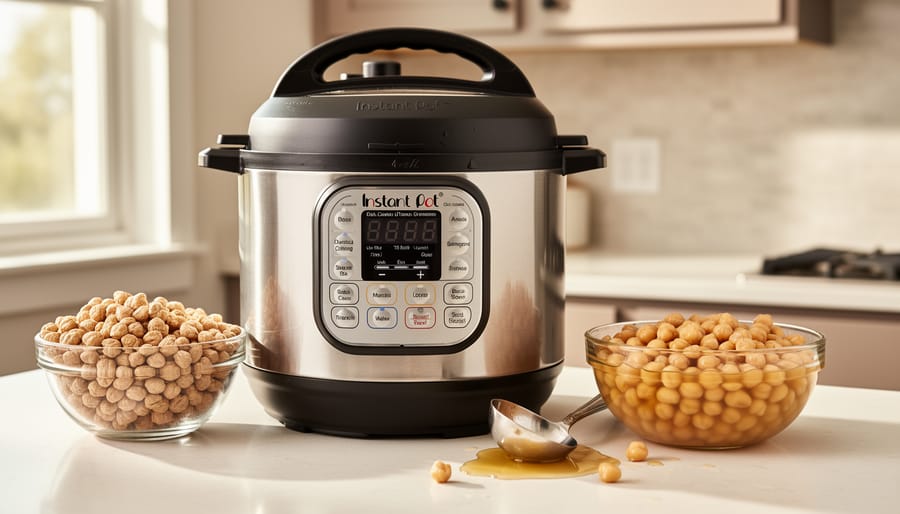
Soaked vs. No-Soak Chickpeas in the Instant Pot: Which Method Is Right for You?
You can cook dried chickpeas in your Instant Pot beautifully without soaking, and we’ve found they turn out perfectly tender in 45 minutes at high pressure followed by a 10-minute natural release. After testing both soaked and unsoaked methods in our kitchen, the no-soak approach consistently delivered soft, creamy chickpeas with easily removable skins, making it the winner for busy weeknights and last-minute meal prep.
The choice between soaking and skipping that step comes down to your schedule and texture preference. If you soak your chickpeas overnight, you’ll cut the cook time down to just 12 minutes under pressure…
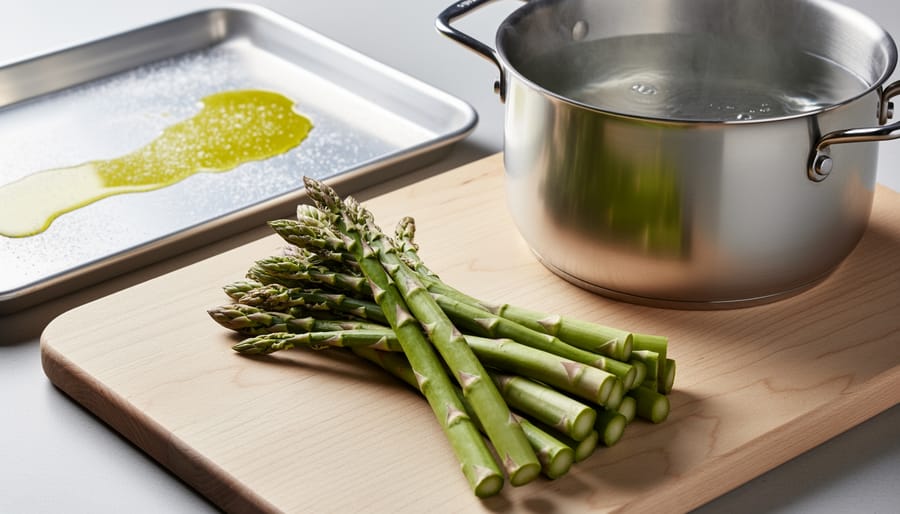
Cooking Asparagus: Best Methods and Timing for Fresh Canadian Spears
Asparagus cooks in 4 to 8 minutes depending on thickness and method, with pencil-thin spears ready in as little as 3 minutes while fat spears can take up to 10. The single biggest factor that changes timing? Freshness. Just-picked Canadian asparagus from late April through June cooks faster and more evenly than older stalks, which develop woody fibers that resist heat and turn mushy on the outside before the core softens.
Overcooking asparagus wastes more than dinner. Those limp, khaki-green spears usually end up in the compost, taking your money and the effort of growers with them. Canadians toss roughly 2.3 million tonnes of …
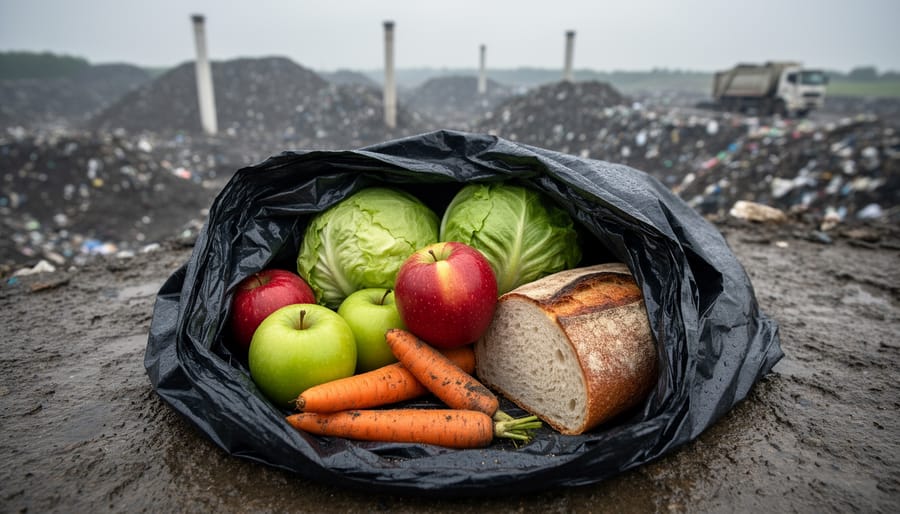
How Food Waste Harms the Planet (And What You Can Do About It)
Every year, Canadians throw away nearly 2.3 million tonnes of edible food. That’s enough to fill the Rogers Centre in Toronto eight times over. But the real cost isn’t measured in stadium volumes. It’s measured in the greenhouse gases heating our atmosphere, the fresh water vanished from our lakes and rivers, and the valuable farmland degraded for nothing.
When food rots in landfills, it produces methane, a greenhouse gas 25 times more potent than carbon dioxide. If global food waste were a country, it would be the third-largest emitter of greenhouse gases after China and the United States. In Canada alone, food …