Asparagus cooks in 4 to 8 minutes depending on thickness and method, with pencil-thin spears ready in as little as 3 minutes while fat spears can take up to 10. The single biggest factor that changes timing? Freshness. Just-picked Canadian asparagus from late April through June cooks faster and more evenly than older stalks, which develop woody fibers that resist heat and turn mushy on the outside before the core softens.
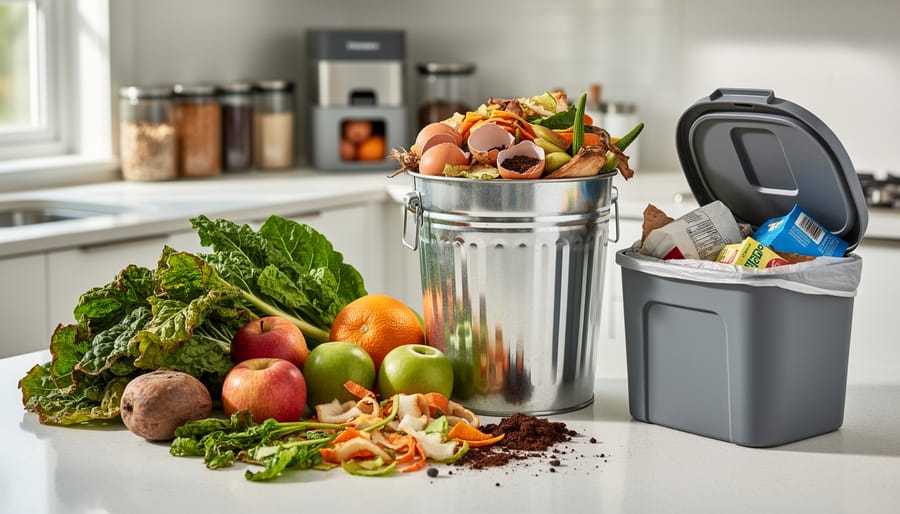
Overcooking asparagus wastes more than dinner. Those limp, khaki-green spears usually end up in the compost, taking your money and the effort of growers with them. Canadians toss roughly 2.3 million tonnes of avoidable food waste each year, and delicate spring vegetables like asparagus rank high on the list simply because home cooks guess at timing rather than testing for doneness.
Roasting at 425°F and blanching in boiling water are the two most reliable methods for controlling texture and color. Both preserve the grassy sweetness and snappy bite that make asparagus worth cooking in the first place. This guide walks you through exact timing for every thickness, explains how to test spears without a thermometer, and shows you how to store leftovers so nothing goes to waste. Becoming one of our food waste heroes starts with small wins like nailing asparagus every time.
Factors that shift timing
Several factors determine how long you’ll need to cook asparagus and the quality of your final dish. Spear thickness matters most: thin asparagus (pencil-width or less) cooks in under a minute when blanched or 8-10 minutes roasted, while thick spears need closer to 2 minutes in boiling water or 12-15 minutes in the oven. Freshness plays a major role too, field-grown Canadian asparagus picked during the May-to-June harvest cooks faster and tastes sweeter than imported spears that have spent days in transit and storage. The age of your asparagus affects texture; fresh spears snap cleanly and stay tender throughout, while older asparagus develops woody fibers that creep higher up the stalk, forcing you to trim away more edible length. Your cooking method also shifts timing: roasting at 425°F takes about 12 minutes regardless of thickness variations, while blanching requires active attention and quick adjustments based on the spear size in your pot. Recognizing these variables helps you avoid the twin wastes of mushy, overcooked asparagus or undercooked spears that nobody wants to eat.
Quick Answer: The Best Ways to Cook Asparagus
For perfectly cooked asparagus, you have two straightforward options that work every time. Roasting brings out concentrated flavour through caramelization: trim the woody ends, toss spears with olive oil and seasoning, spread them in a single layer with space between, and bake at 425°F for about 12 minutes until lightly crisp and tender. Blanching offers speed and bright colour, ideal when you need asparagus for salads or as a base for other dishes. Drop trimmed spears into a large pot of salted boiling water for 30 seconds to 1 minute if they’re thin, or 1 to 2 minutes for thicker stalks, then drain immediately.
Both methods make the most of fresh Canadian asparagus during its brief late spring harvest window without wasting any of the edible portion. The choice depends on your dish and time: roasting for deeper flavour and hands-off simplicity, blanching for quick prep and versatility.
When Canadian Asparagus Is Available
Canadian asparagus arrives in grocery stores and farmers’ markets during a narrow window in late spring, typically starting in early May and running through early June. This brief harvest period makes asparagus one of the most anticipated fresh vegetables of the season, and timing your cooking around local availability means better flavour and fresher spears.
| Region | Peak Harvest | Outside Local Season |
|---|---|---|
| Ontario | Early May to first week of July | Imported (Mexico, Peru) or greenhouse-grown |
| British Columbia | Late April to mid-June | Imported or greenhouse-grown |
| Quebec | Mid-May to late June | Imported or greenhouse-grown |
| Prairies | Late May to early July | Imported or greenhouse-grown |
Ontario asparagus season runs from roughly the first week of May through early July, with the most abundant supply hitting markets in mid to late May. Other provinces follow similar patterns, with British Columbia starting slightly earlier due to milder coastal conditions and the Prairies beginning a few weeks later.
Outside this window, asparagus in Canadian stores is almost always imported, typically from Mexico or Peru during winter and early spring, or greenhouse-grown year-round. These options are fine for cooking, but field-grown local spears have a noticeable advantage: they’re fresher, often harvested within a day or two of reaching your kitchen, and their sugars haven’t yet converted to starch during long transport.
Timing matters for quality and sustainability. Fresh, local asparagus cooks more evenly, tastes sweeter, and supports Canadian farmers during their busiest weeks. If you’re buying asparagus in February or November, you’re looking at produce that’s travelled thousands of kilometres. That’s not inherently wrong, but spring is when you’ll find the best texture and flavour for roasting or blanching, and when your purchase has the lightest environmental footprint.
Essential Cooking Methods for Asparagus
Roasting Asparagus
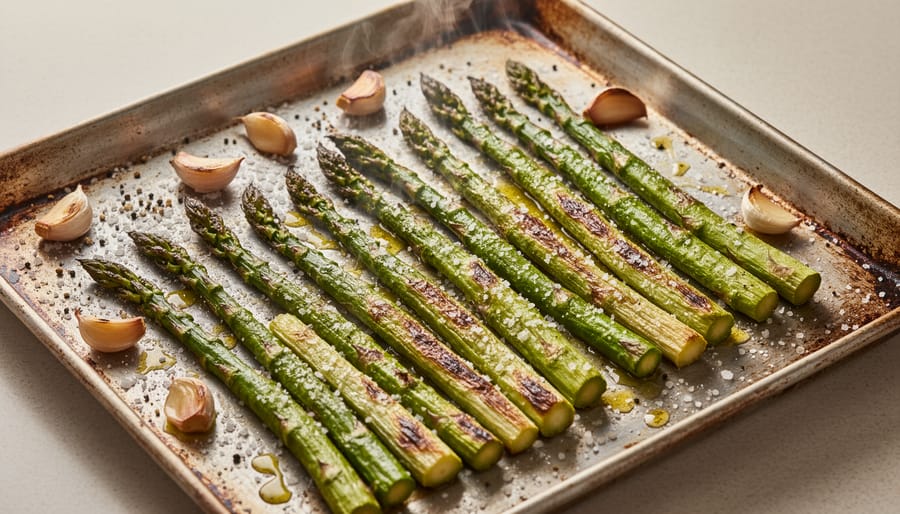
Roasting brings out asparagus’s natural sweetness and concentrates its earthy flavour while keeping the spears tender with a slight crisp on the edges. This method is forgiving, uses every edible inch of the stalk, and requires minimal hands-on time, ideal when you want a reliable side dish that lets the vegetable shine.
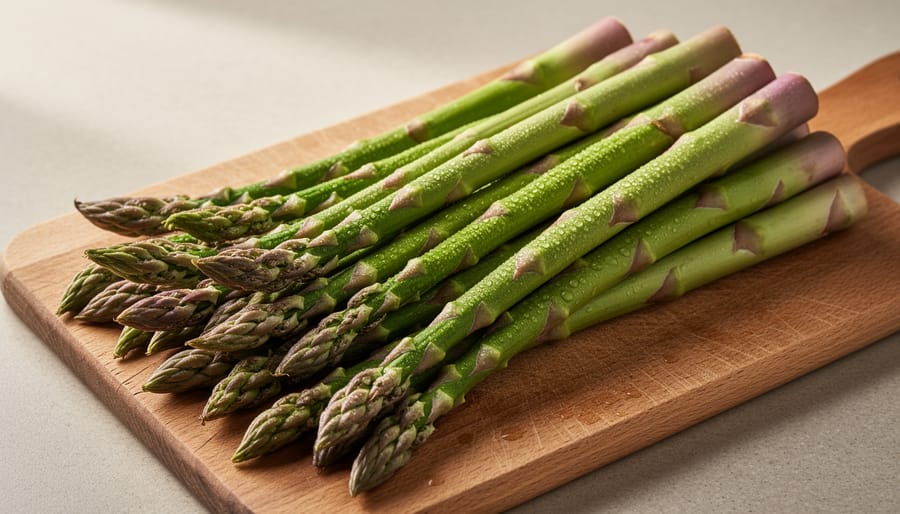
Start by preheating your oven to 425°F. While it heats, rinse your asparagus under cool water and pat it dry. Trim the woody ends by bending each spear gently near the bottom; it will snap naturally at the point where the tender part begins. You can also line up a bunch and cut about an inch or two off the base, both methods work, and neither wastes the edible portion.
Once prepped, follow these steps for perfectly roasted asparagus:
- Place the trimmed spears on a large baking sheet in a single layer.
- Drizzle with olive oil (about one tablespoon per pound) and sprinkle with salt and freshly ground black pepper.
- Toss the asparagus with your hands to coat each spear evenly.
- Spread the spears out so they have space between them, crowding traps steam and turns them soggy instead of crisp.
- Roast at 425°F for 12 minutes, checking at 10 minutes if your spears are thin.
The asparagus is ready when the tips are lightly browned and the stalks bend slightly when lifted with tongs but still hold their shape. Thicker spears may need an extra minute or two; thinner ones can finish closer to 10 minutes. Taste one to confirm it is crisp-tender, not mushy.
Roasting caramelizes the natural sugars, which is why this method delivers richer flavour than boiling or steaming. Serve immediately, or let the spears cool for salads and grain bowls, they hold up well and taste great at room temperature.
Blanching Asparagus
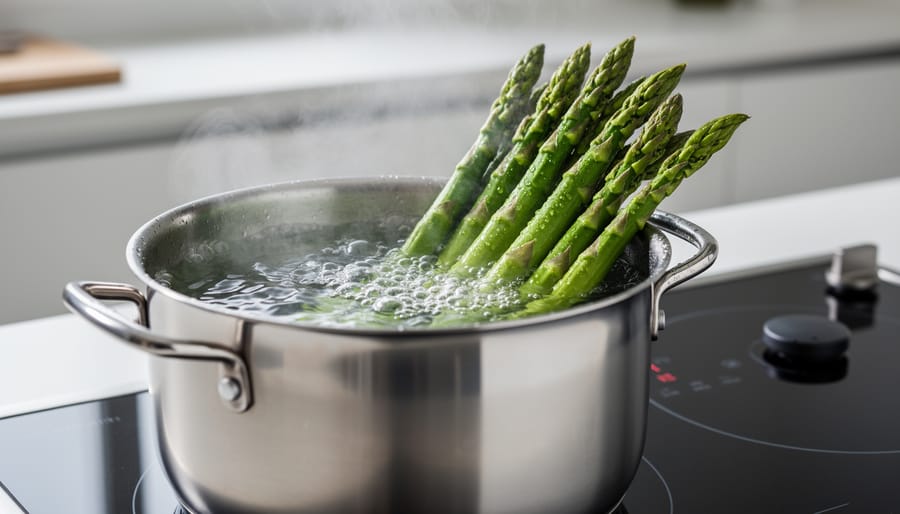
Blanching asparagus in salted boiling water is the gentlest way to cook spears when you want to preserve their bright green colour and crisp texture. This method works beautifully for salads, meal prep, or as a base for dishes where asparagus gets further cooking later. Because blanching is fast and controlled, it keeps nutrients intact and prevents the mushy, grey results that come from boiling too long.
The key is timing based on thickness. Thin spears need only 30 seconds to 1 minute in rapidly boiling water, while thick spears take 1 to 2 minutes. You’re aiming for crisp-tender: the spears should bend slightly but still have a bit of resistance when you lift one out. Crisp-tender blanching times depend on getting the water back to a full boil quickly, so use a large pot with plenty of water.
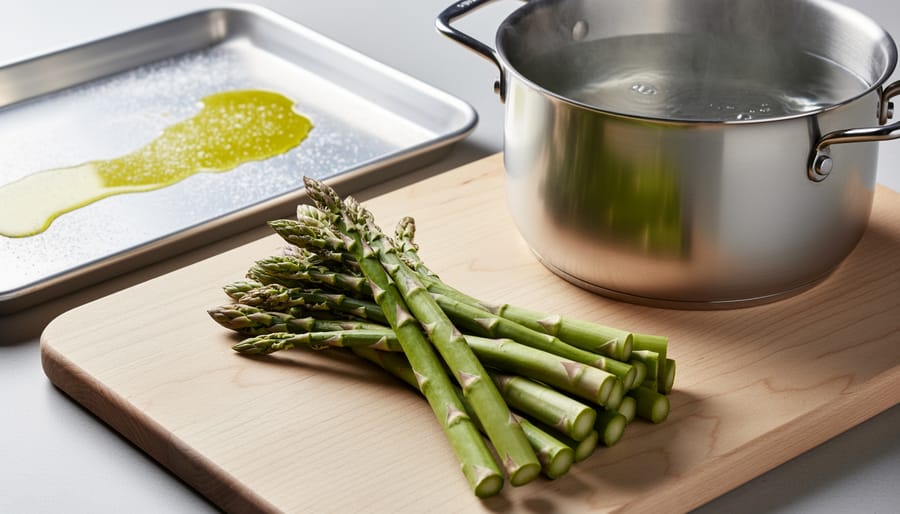
- Bring a large pot of salted water to a rolling boil. Use about 1 tablespoon of salt per 4 litres of water.
- Trim the woody ends from your asparagus spears and add them to the boiling water.
- Blanch thin spears for 30 seconds to 1 minute, thick spears for 1 to 2 minutes, until they turn bright green and are just tender when pierced with a knife tip.
- Immediately transfer the spears with tongs or a slotted spoon into a bowl of ice water to stop the cooking. This step locks in the colour and texture.
- Once cooled (about 1 minute), drain the spears and pat them dry before using or storing.
Blanching is ideal when you’re prepping asparagus ahead for a recipe, adding it cold to a salad, or planning to sauté or grill it briefly later. The ice bath is essential: skipping it means the spears keep cooking from residual heat, turning them soft and drab. Blanched asparagus stores well in the fridge for two to three days, making it a smart choice during the brief Canadian harvest season when you want to use every spear before it goes limp.
What Affects Cooking Time and Quality
Asparagus doesn’t cook the same every time, and recognizing what shifts the timing helps you save food from wasting by getting the texture right without guessing. Three factors matter most: how thick the spears are, how fresh they are, and how long they’ve been stored.
- Thickness, Thin spears (pencil-thick or less) cook in half the time of fat spears; check them early to avoid mush.
- Freshness, Field-grown Canadian asparagus harvested within days cooks faster and stays crisper than imported spears that sat in transit for a week or more.
- Storage time, Asparagus loses moisture and sugars after harvest; older spears turn woody faster and need slightly longer cooking or more aggressive trimming.
When you buy asparagus during Canada’s late-spring harvest window, you’re working with spears at their peak: firm, juicy, and quick to cook. Imported or stored asparagus often feels limp or dry, which means the woody portion creeps higher up the stalk and the cooking window narrows. You’ll trim more off the bottom and need to watch timing closely to hit that crisp-tender stage before the tips soften too much.
Understanding these shifts means you can adjust on the fly instead of following a recipe blindly and tossing rubbery or mushy results. Pay attention to what you bought, adjust your timing by 30 seconds to a minute based on thickness and freshness, and you’ll reduce commonly wasted food by nailing the texture every time. Even the trimmed woody ends don’t have to go in the bin, you can use food scraps like asparagus stems for vegetable stock or compost.
Making the Most of Your Asparagus (Aftercare and Storage)
Fresh asparagus stays crisp for about three to five days if you store it properly. Stand the trimmed spears upright in a jar or glass with an inch of water, cover the tips loosely with a plastic bag, and refrigerate. Change the water every day or two to keep the spears hydrated and fresh.
If you’ve already cooked your asparagus, refrigerate leftovers in a sealed container for up to three days. Cooked spears work well chopped into grain bowls, tossed into pasta or frittatas, or added to salads. Blanched asparagus holds up particularly well for meal prep since you can quickly reheat it or use it cold.
Don’t throw out those woody ends you trim before cooking. They’re too fibrous to eat but packed with flavour. Collect them in a freezer bag and add them to your next batch of vegetable stock along with onion peels, carrot tops, and herb stems. If you compost, woody ends break down quickly and contribute valuable nutrients back to the soil. Making the most of asparagus during its short Canadian season means using every part you can and preserving what you don’t finish right away.
Common Asparagus Cooking Questions
Do you need to peel asparagus before cooking?
No, you don’t need to peel asparagus unless the spears are unusually thick (pencil-width or larger) and the skin feels tough. For standard medium-to-thin spears, simply trim the woody ends and cook as-is.
How do you know when asparagus is done cooking?
Properly cooked asparagus is crisp-tender: it should bend slightly without snapping and pierce easily with a fork, but still have some resistance. The colour should be bright green, not dull or grey-green, which signals overcooking.
Can you cook asparagus directly from frozen?
Yes, you can roast or sauté frozen asparagus without thawing. Add a couple of extra minutes to the cooking time and expect slightly softer texture compared to fresh spears, since freezing breaks down some cell structure.
How much of the stem should you trim off?
Trim about one to two inches from the bottom, or bend each spear gently until it snaps naturally, it’ll break right where the tender part meets the woody end. Either method works; snapping wastes slightly less but takes more time.
These questions come up every spring when Canadian asparagus floods farmers’ markets and grocery bins. The answers are straightforward once you understand what you’re aiming for: tender spears with a bit of bite, maximum edible portion saved, and minimal guesswork. If you’re working with fresh, field-grown asparagus during the May-to-June harvest window, the texture and flavour will be noticeably better than what you get from imported or stored spears, which makes timing and technique even more rewarding. Trust your senses, colour, texture, and a quick taste test will tell you more than a timer alone.
Key Terms for Cooking Asparagus
Blanching
A quick cooking technique where you plunge asparagus into boiling salted water for 30 seconds to 2 minutes, then immediately transfer it to ice water to stop the cooking. This method preserves bright green colour and crisp-tender texture while cooking the spears through.
Crisp-tender
The ideal texture for cooked asparagus: tender enough to bite through easily but still with a slight snap, not soft or mushy. Achieving crisp-tender means the spears are fully cooked without losing their structure or becoming limp.
Woody ends
The tough, fibrous bottom portion of asparagus spears that becomes dry and chewy when cooked. Snap or cut off the last inch or two where the stalk naturally breaks; you can compost these ends or save them for vegetable stock.
Field-grown asparagus
Asparagus cultivated outdoors in soil and harvested during its natural spring season, typically late May through June in Canada. Field-grown spears tend to have more concentrated flavour and better texture than greenhouse-grown alternatives available year-round.
Greenhouse-grown asparagus
Asparagus produced in controlled indoor environments outside the natural spring harvest window. While available throughout the year, greenhouse-grown spears are generally milder in flavour and less crisp than field-grown seasonal asparagus.
These terms help you navigate asparagus selection and cooking with confidence. Understanding the difference between field-grown and greenhouse options, for instance, explains why your May asparagus tastes noticeably better than what you find in winter, and why timing your asparagus cooking around the Canadian harvest means you’re working with the freshest, most flavourful spears while supporting local growers.
Cooking asparagus during its short Canadian season, roughly May into June, is one of spring’s simplest pleasures. The methods themselves couldn’t be easier: roast at 425°F for 12 minutes or blanch for under two minutes, and you’ve got crisp-tender spears that taste like the season itself. By choosing local asparagus at its peak and using these straightforward techniques, you’re not just making a side dish, you’re reducing waste, supporting regional growers, and celebrating fresh food when it’s at its best. Treat asparagus as a spring ritual worth looking forward to each year, and make the most of every spear while you can.