
Roasting a whole turkey in the oven takes 2 to 3.5 hours depending on weight, requires an oven set to at least 325°F, and is done when a food thermometer reads 165°F in the thickest part of the breast, innermost part of the wing, and innermost part of the thigh. Getting it right means you’ll enjoy moist, safe meat and plenty of leftovers, but getting it wrong can mean dry, overcooked poultry or food safety risks that send your holiday dinner straight into the compost bin.
For Canadian home cooks looking to reduce waste, mastering the basics of turkey roasting isn’t just about impressing your guests. It’s about …
Category: Save You Money on Groceries
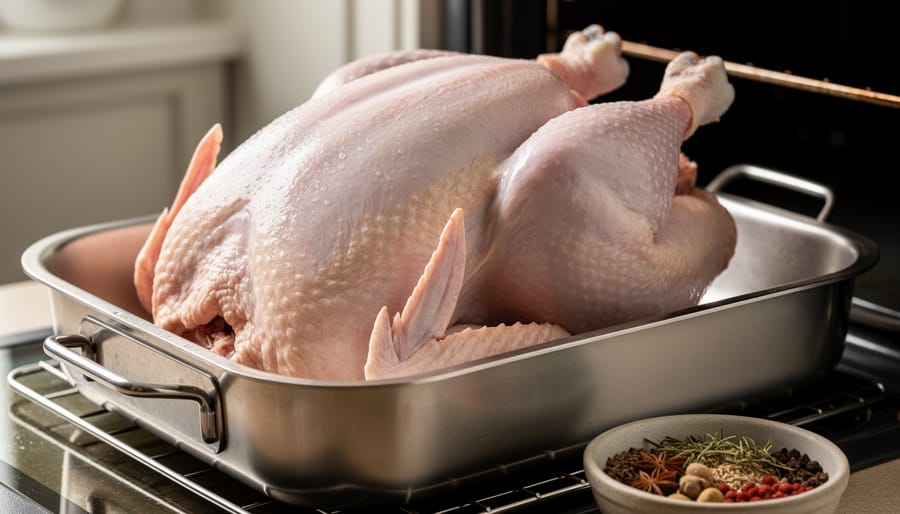
How to Cook a Turkey in the Oven Without Wasting a Single Bite
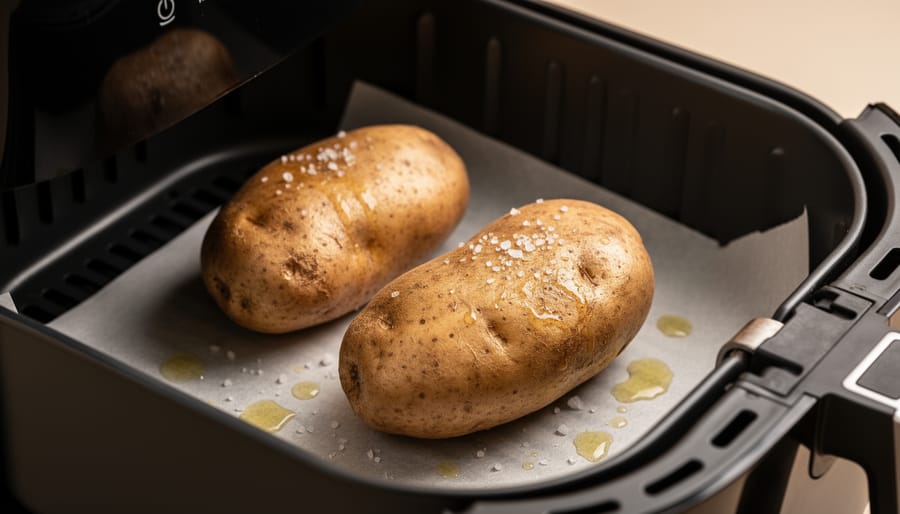
How to Make a Perfect Baked Potato in Your Air Fryer (40 Minutes, Zero Waste)
Perfect air fryer baked potatoes take 40 to 45 minutes at 400°F, delivering crispy skin and fluffy interiors without heating up your kitchen or wasting energy. You’ll use about 50% less electricity than a conventional oven, and the results are consistently better: evenly cooked potatoes with that satisfying crunch you’re after.
The method is straightforward. Scrub two medium russet potatoes, poke each one six to eight times with a fork, rub with a light coat of oil, season with kosher salt, and …
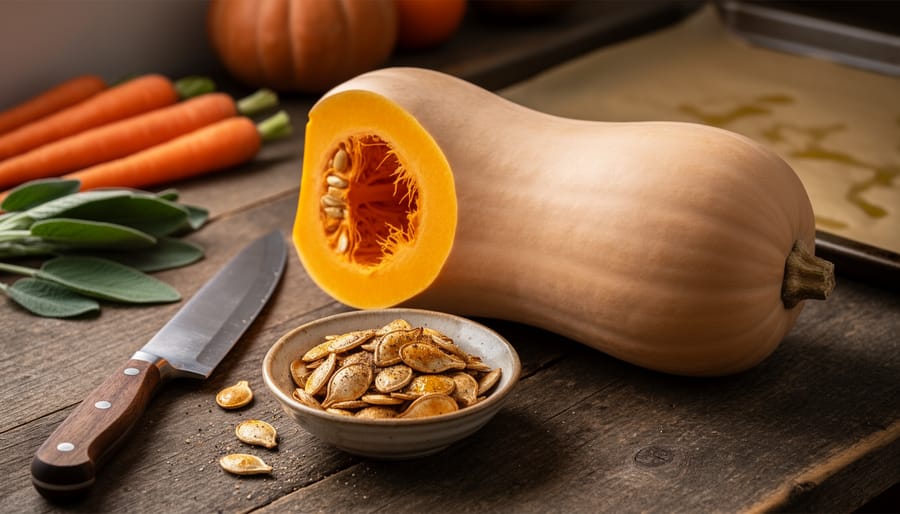
8 Butternut Squash Recipes to Reduce Food Waste This Fall
Fall is the perfect time to enjoy recipes with butternut squash, as this produce is readily available in grocery stores and farmers markets around the country. Western Canada grows this versatile fall squash, and if you keep it in a cool, dark place or your refrigerator, it stays fresh for months. The best part? You can use food scraps like seeds and peels that most cooks toss out.
These eight butternut squash recipes embrace whole-squash cooking, turning what would be waste into delicious ingredients. Roast the seeds for a crunchy snack, simmer …
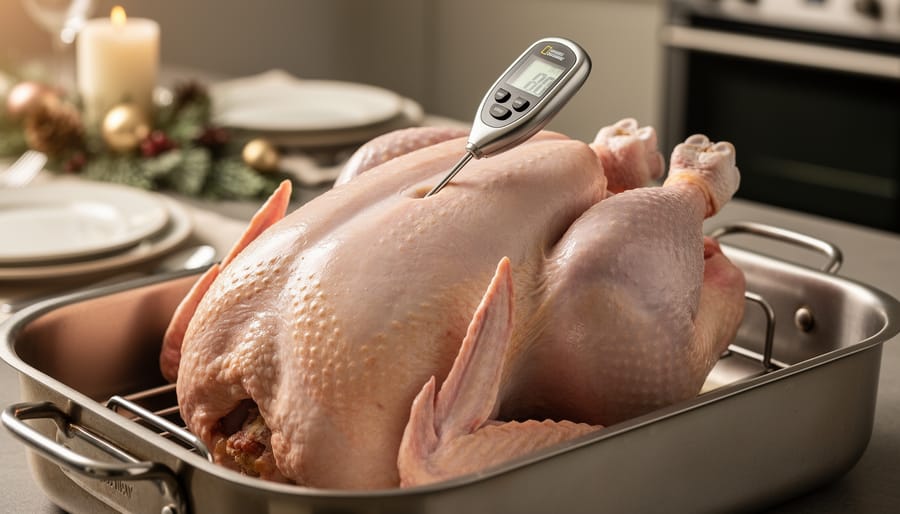
How to Calculate Turkey Cooking Time Per Pound (and Avoid Holiday Waste)
Cooking a turkey takes roughly 15 minutes per pound at 325°F (163°C), which means a 12-pound bird needs about three hours in the oven. That simple formula is your starting point for holiday meal planning, but the real measure of success isn’t the clock on the wall, it’s hitting an internal temperature of 165°F (74°C) measured at the thickest part of the breast and thigh. Get that right, and you’ll serve a perfectly cooked turkey every time.
Key Takeaway: Plan for 15 minutes cooking time per pound, verify doneness with a meat thermometer at 165°F (74°C), and let your …
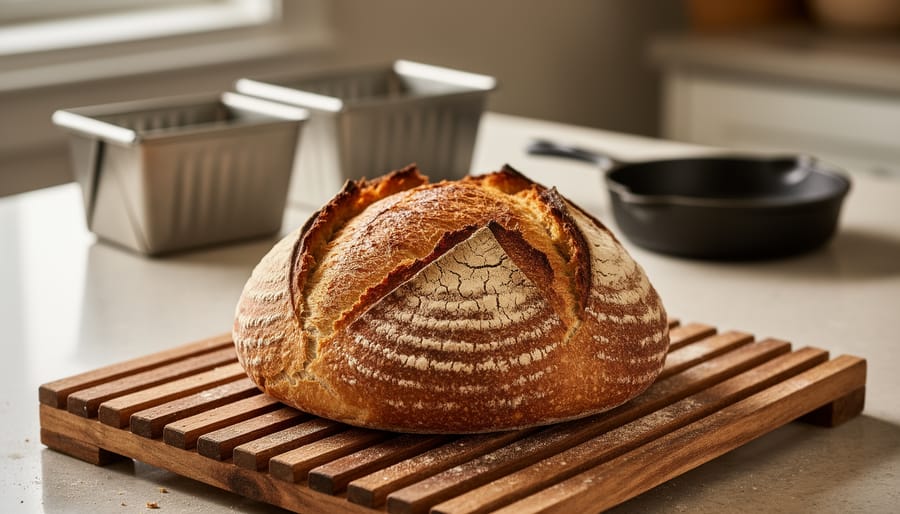
How to Bake Sourdough Bread Without a Dutch Oven (Using What You Already Have)
You can bake exceptional sourdough bread without a Dutch oven using two identical loaf pans, a cast iron skillet, or even CorningWare bakeware. The secret lies in creating your own steam chamber: simply invert a second pan over your loaf during the initial bake at 450°F, then remove the cover for the last 10-20 minutes to achieve that signature golden crust. This method works because the trapped moisture mimics the enclosed environment of a Dutch oven, allowing your dough to expand fully before the crust sets.
For Canadian home bakers committed to reducing waste and avoiding expensive specialty cookware, this approach opens up …
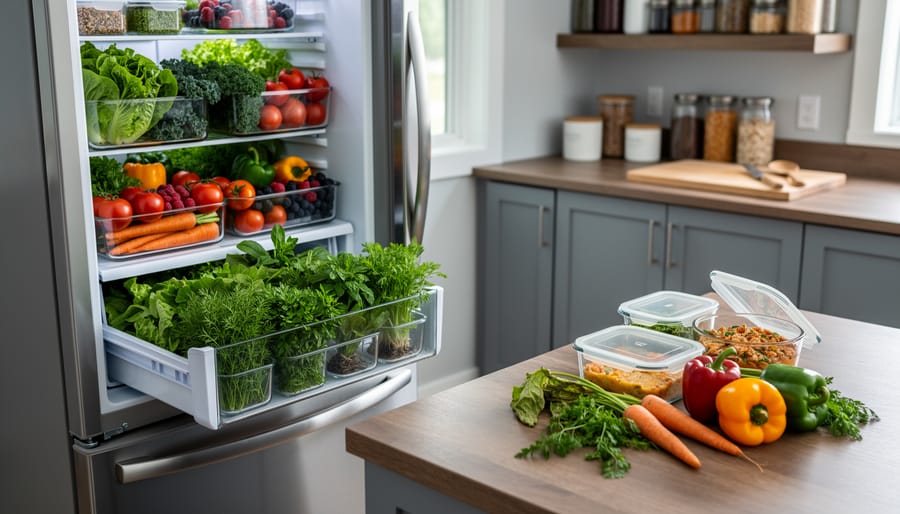
10 Simple Ways to Stop Wasting Food at Home
You can save food from wasting by addressing the five places most Canadians lose groceries: fridge chaos, overstocked cupboards, misunderstood expiry dates, forgotten leftovers, and produce that wilts before you use it. The ten strategies in this guide target each of these weak points with simple changes to storage, shopping, and meal prep that work in real kitchens, not test labs.
Most household food waste happens quietly. A forgotten cucumber liquefies in the crisper. Thursday’s pasta disappears behind a wall of …
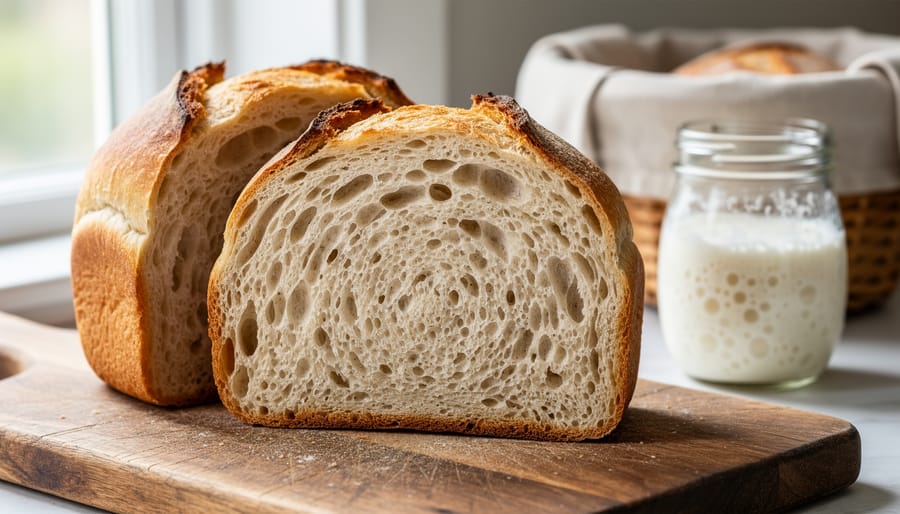
Why Soft Sourdough Sandwich Bread Is Winning Over Home Bakers (And How to Make It Work for You)
Soft sourdough sandwich bread transforms tangy, naturally fermented dough into tender, everyday loaves perfect for lunches, toast, and family sandwiches. By adding enrichments like butter, milk, or oil, reducing fermentation time slightly, and baking in a covered pan, you create a pillowy crumb that stays fresh longer than crusty artisan boules. The result? Sourdough that actually gets eaten slice by slice, rather than turning rock-hard on the counter after two days.
This shift matters for Canadian home bakers who’ve embraced sourdough culture but struggle with practicality. Traditional open-crumb loaves look stunning on …
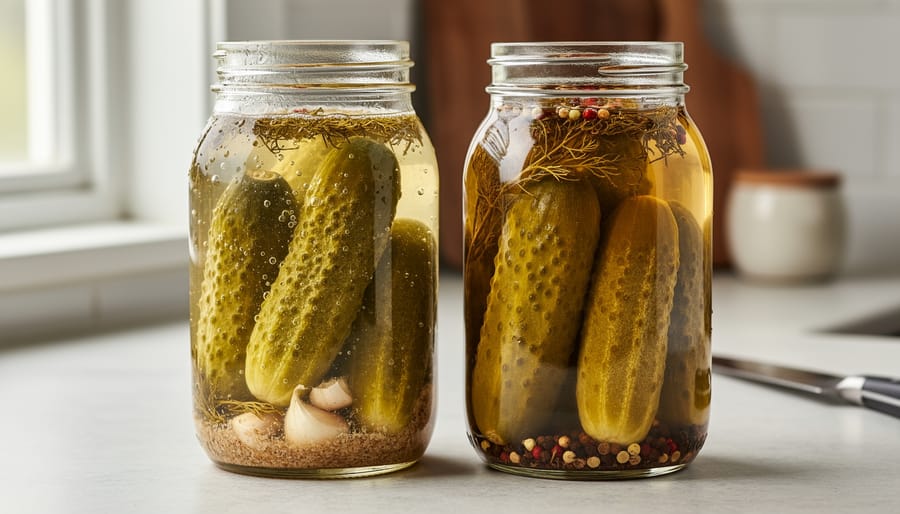
Are Pickles Fermented? What the Difference Means for Your Kitchen
Are pickles fermented? The answer depends on which jar you pick up. Some pickles are naturally fermented through a centuries-old process that uses salt, time, and beneficial bacteria, while others skip fermentation entirely and rely on vinegar for that signature tang.
Understanding the difference matters if you care about probiotics, flavor complexity, or reducing food waste in your kitchen. Fermented pickles contain live Lactobacillus cultures that support gut health and develop deep, nuanced flavors over days or weeks. Quick-process pickles, the kind most Canadians find on grocery store shelves, are simply …
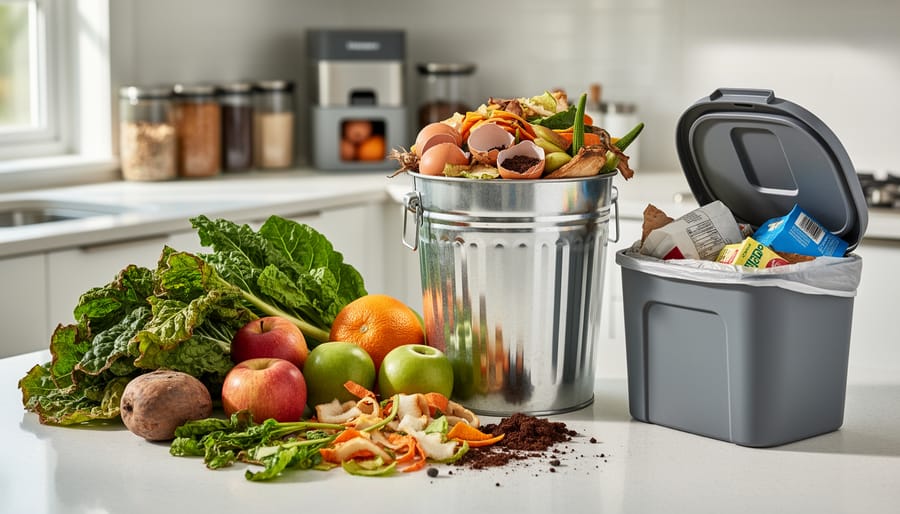
8 Ways Wasting Food Harms the Environment (and How to Stop It)
Wasting food harms the planet in eight major ways: it generates methane emissions in landfills, wastes the water and energy used in production, accelerates deforestation, pollutes waterways, squanders agricultural land, intensifies climate change, depletes soil health, and drives unnecessary packaging waste. Each time you toss out a wilted salad or forgotten leftovers, you’re not just discarding food. You’re throwing away all the resources that went into growing, processing, packaging, and transporting it. In Canada, we waste …
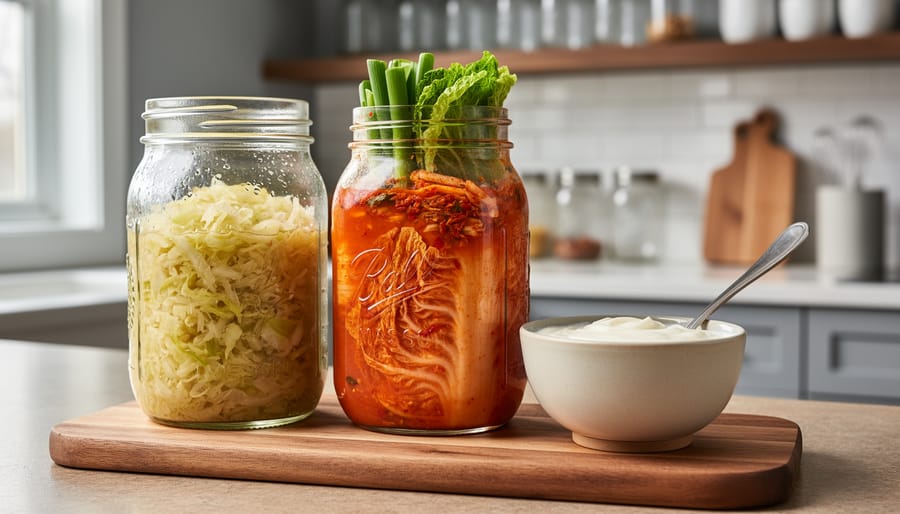
15 Fermented Foods to Add to Your Kitchen (and Cut Food Waste at the Same Time)
Fermented foods span everything from tangy yogurt and crunchy sauerkraut to fizzy kombucha and umami-rich miso. This ancient preservation method, where beneficial bacteria or yeast break down sugars and starches, has nourished humans for thousands of years and continues to gain attention in 2026 for its gut-health benefits and role in reducing food waste.
If you’re looking to explore fermented options for your kitchen, you’ll find 15 practical choices organized by category below: dairy staples like kefir and cheese, vegetable favorites including kimchi and pickles, soy-based proteins such as tempeh and natto, cultured …
