
You can save food from wasting by addressing the five places most Canadians lose groceries: fridge chaos, overstocked cupboards, misunderstood expiry dates, forgotten leftovers, and produce that wilts before you use it. The ten strategies in this guide target each of these weak points with simple changes to storage, shopping, and meal prep that work in real kitchens, not test labs.
Most household food waste happens quietly. A forgotten cucumber liquefies in the crisper. Thursday’s pasta disappears behind a wall of …
Category: Food Waste Education
Explainers, data, and guidance on the environmental, economic, and social impacts of food waste in Canada, plus community-driven ways to reduce it at home and locally.
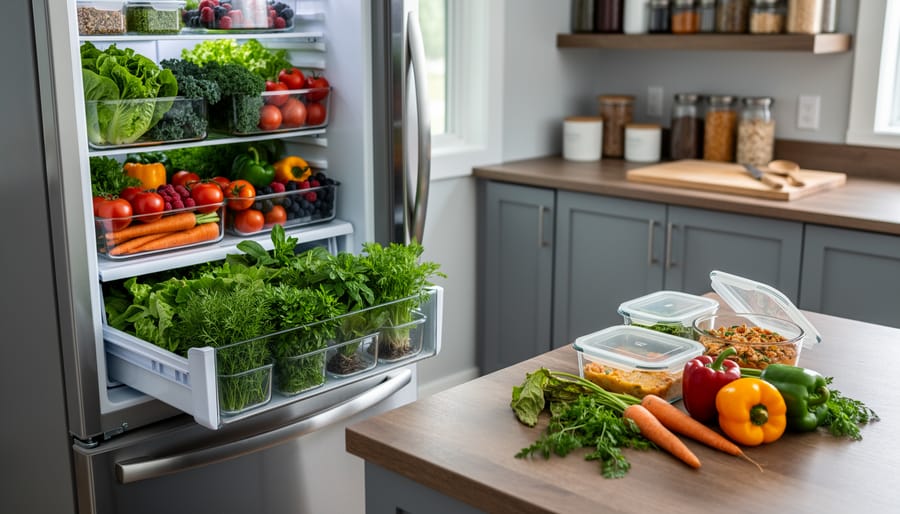
10 Simple Ways to Stop Wasting Food at Home
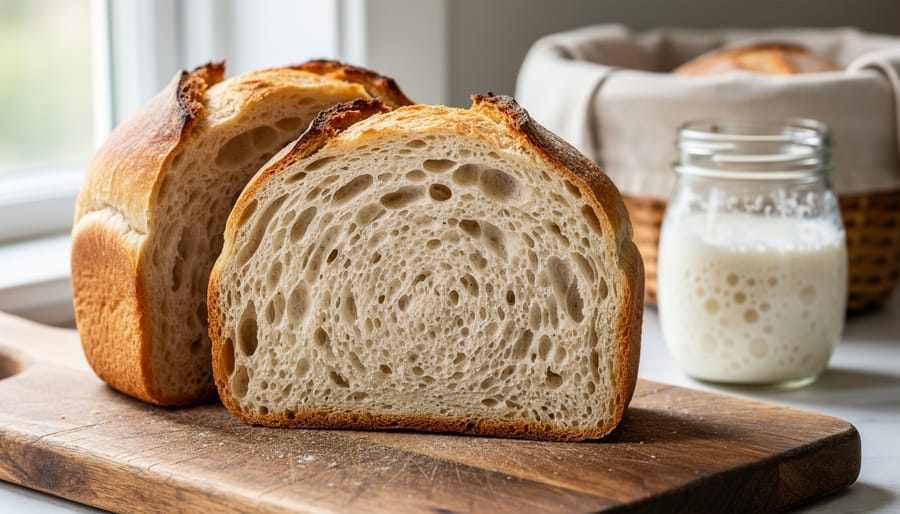
Why Soft Sourdough Sandwich Bread Is Winning Over Home Bakers (And How to Make It Work for You)
Soft sourdough sandwich bread transforms tangy, naturally fermented dough into tender, everyday loaves perfect for lunches, toast, and family sandwiches. By adding enrichments like butter, milk, or oil, reducing fermentation time slightly, and baking in a covered pan, you create a pillowy crumb that stays fresh longer than crusty artisan boules. The result? Sourdough that actually gets eaten slice by slice, rather than turning rock-hard on the counter after two days.
This shift matters for Canadian home bakers who’ve embraced sourdough culture but struggle with practicality. Traditional open-crumb loaves look stunning on …
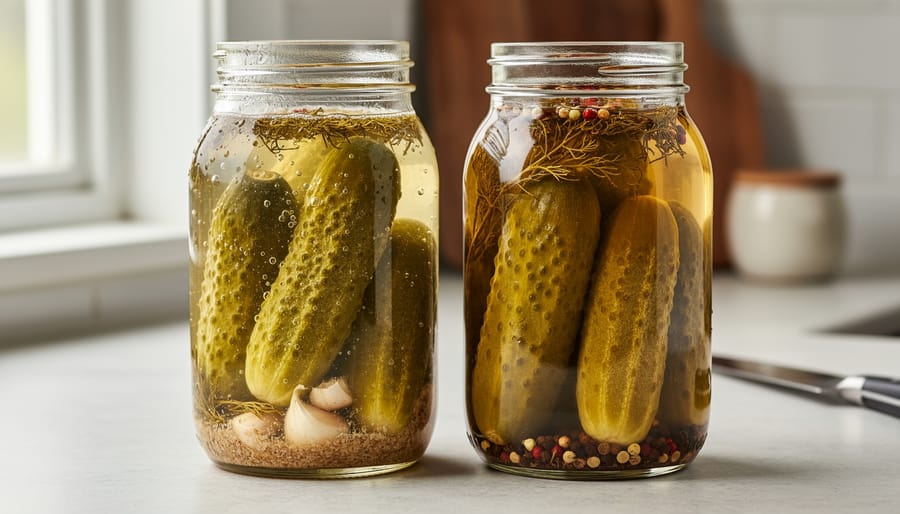
Are Pickles Fermented? What the Difference Means for Your Kitchen
Are pickles fermented? The answer depends on which jar you pick up. Some pickles are naturally fermented through a centuries-old process that uses salt, time, and beneficial bacteria, while others skip fermentation entirely and rely on vinegar for that signature tang.
Understanding the difference matters if you care about probiotics, flavor complexity, or reducing food waste in your kitchen. Fermented pickles contain live Lactobacillus cultures that support gut health and develop deep, nuanced flavors over days or weeks. Quick-process pickles, the kind most Canadians find on grocery store shelves, are simply …
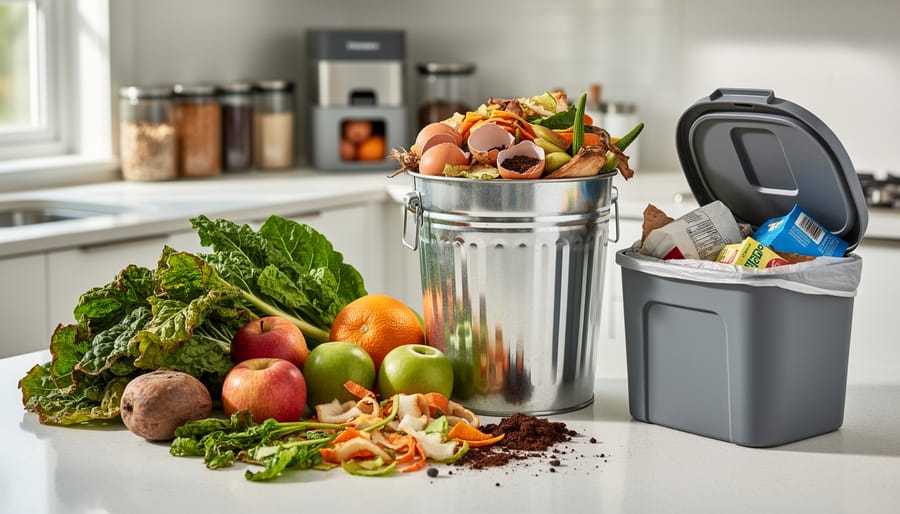
8 Ways Wasting Food Harms the Environment (and How to Stop It)
Wasting food harms the planet in eight major ways: it generates methane emissions in landfills, wastes the water and energy used in production, accelerates deforestation, pollutes waterways, squanders agricultural land, intensifies climate change, depletes soil health, and drives unnecessary packaging waste. Each time you toss out a wilted salad or forgotten leftovers, you’re not just discarding food. You’re throwing away all the resources that went into growing, processing, packaging, and transporting it. In Canada, we waste …
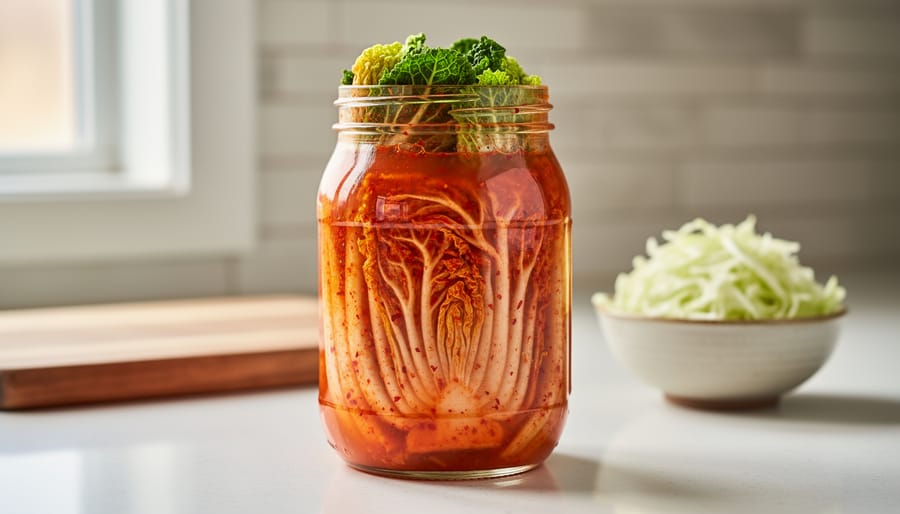
Why Canadians Are Wasting Less Kimchi (And How You Can Too)
Kimchi transforms vegetable scraps and surplus cabbage into a probiotic powerhouse that can last months in your fridge, making it one of the most practical tools for cutting kitchen waste while embracing a global food trend that’s booming across Canada. This ancient Korean preservation technique tackles the core challenge of how food waste harms the planet by extending the life of fresh produce through natural fermentation, a process that requires nothing more than salt, time, and the right bacteria.
The numbers tell a …
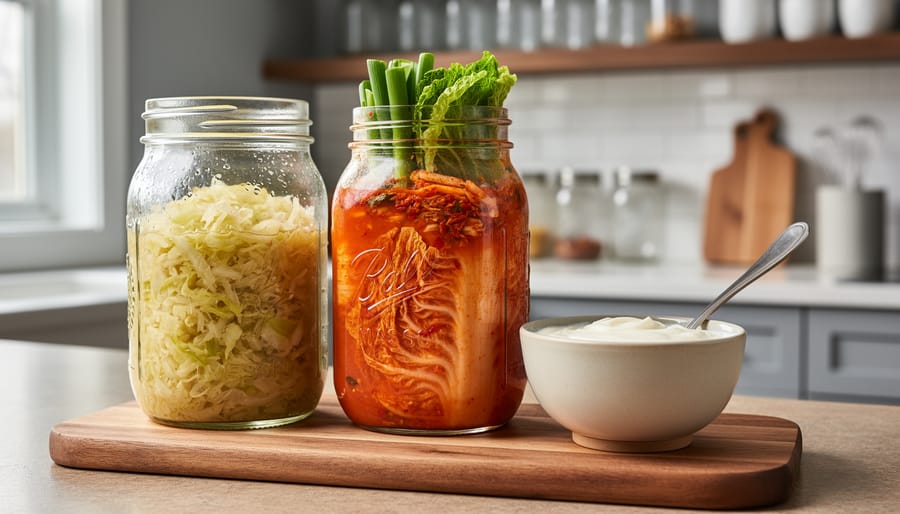
15 Fermented Foods to Add to Your Kitchen (and Cut Food Waste at the Same Time)
Fermented foods span everything from tangy yogurt and crunchy sauerkraut to fizzy kombucha and umami-rich miso. This ancient preservation method, where beneficial bacteria or yeast break down sugars and starches, has nourished humans for thousands of years and continues to gain attention in 2026 for its gut-health benefits and role in reducing food waste.
If you’re looking to explore fermented options for your kitchen, you’ll find 15 practical choices organized by category below: dairy staples like kefir and cheese, vegetable favorites including kimchi and pickles, soy-based proteins such as tempeh and natto, cultured …
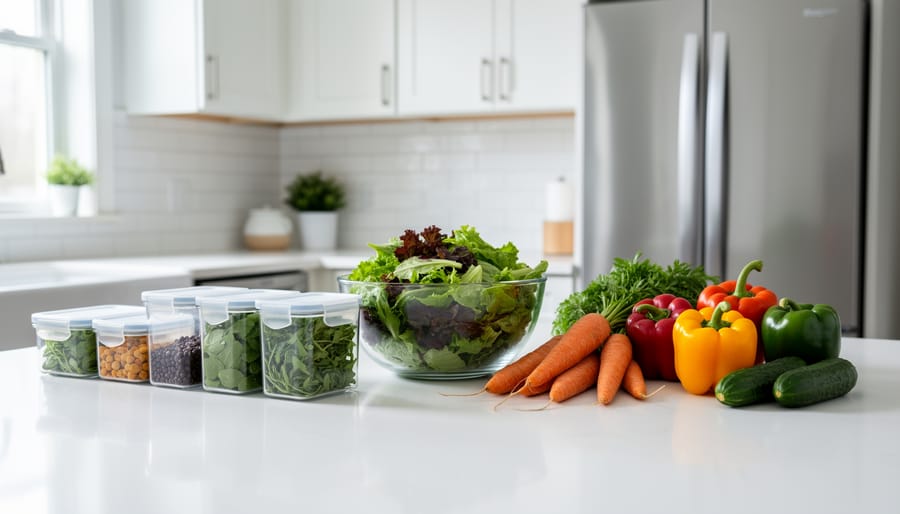
How to Save Food from Wasting: Practical Tips for Every Canadian Kitchen
Canadians throw away nearly $1,200 worth of food every year, but you can cut that waste in half by adopting just a handful of smart storage habits, meal planning techniques, and strategic shopping decisions. Saving food isn’t about perfection or complex systems. It’s about understanding how food spoils, organizing your kitchen to keep ingredients visible, and creating simple routines that turn potential waste into meals your family actually eats.
Food waste harms the planet through …
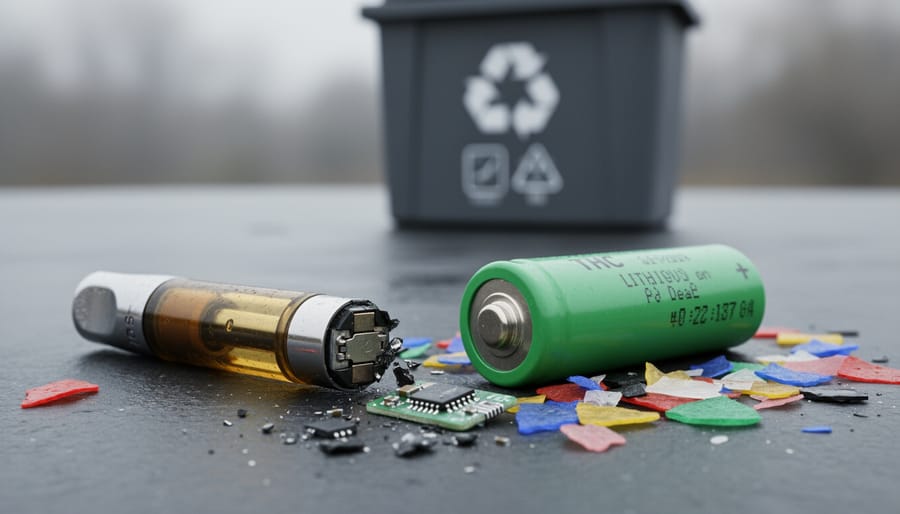
What Is Vape Waste (and Why THCp Cartridges Are an Environmental Problem)?
Vape waste refers to the discarded cartridges, batteries, and plastic components left behind when single-use or rechargeable vaping devices reach the end of their life. In Canada, where consumers can legally buy THCP vapes and other cannabis products, this waste stream has grown quietly but dramatically since legalization, creating an environmental problem that combines toxic battery chemicals, unrecyclable plastics, and leftover cannabis oils into a disposal nightmare most users don’t think about.
Here’s the reality: each discarded vape cartridge contains lithium-ion …
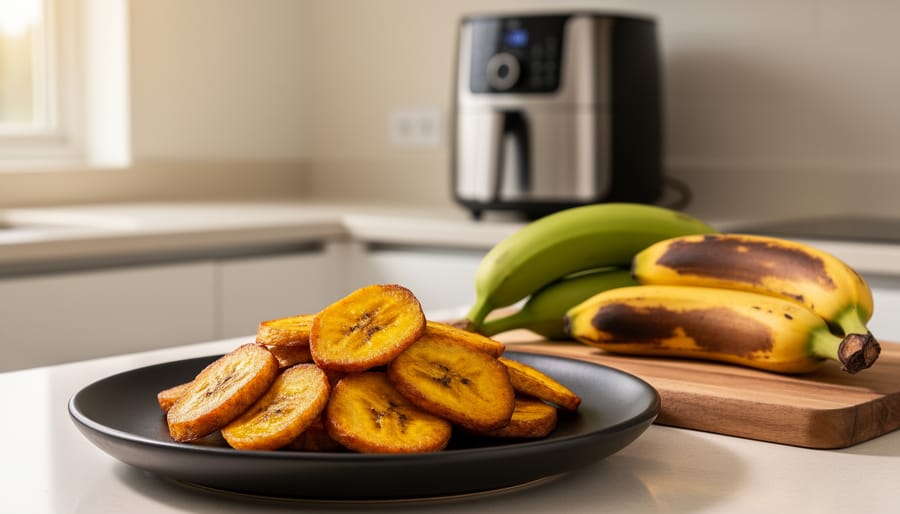
How to Make Air Fryer Plantain Recipes: Sweet and Savory Ways to Save Overripe Fruit
Air frying transforms plantains into crispy, golden snacks in just 10 to 12 minutes at 400°F using a fraction of the oil traditional deep frying requires. Whether you’re working with green, yellow, or fully ripe plantains, this method delivers consistently delicious results while cutting down on both cooking oil and food waste. The air fryer’s rapid circulation crisps the exterior beautifully while keeping the inside tender, and you’ll only need a light spray or brush of oil to achieve that satisfying crunch.
Key Takeaway: Air frying plantains at any ripeness stage creates …
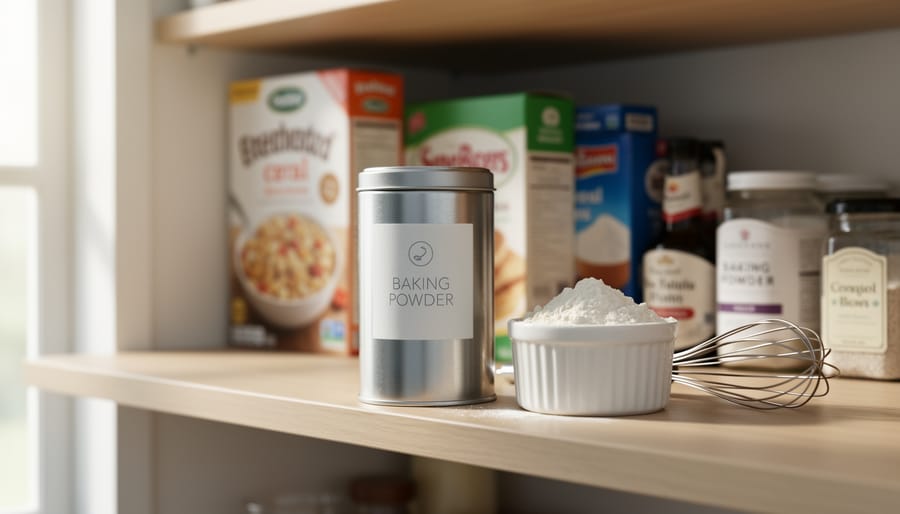
How Long Does Baking Powder Last? Your Complete Shelf Life Guide
Unopened baking powder typically lasts 18 to 24 months from the manufacturing date, while opened containers stay fresh for about 6 to 12 months when stored properly. That container sitting in your pantry right now might still be perfectly usable, or it could have lost its leavening power weeks ago. The key is knowing how to test it.
Baking powder loses potency over time because its chemical leavening agents gradually react with moisture in the air, even inside a closed container. This matters more than you might think. Using expired baking powder won’t make you sick, but it will leave you with flat, dense baked goods that …
