You can cook dried chickpeas in your Instant Pot beautifully without soaking, and we’ve found they turn out perfectly tender in 45 minutes at high pressure followed by a 10-minute natural release. After testing both soaked and unsoaked methods in our kitchen, the no-soak approach consistently delivered soft, creamy chickpeas with easily removable skins, making it the winner for busy weeknights and last-minute meal prep.
The choice between soaking and skipping that step comes down to your schedule and texture preference. If you soak your chickpeas overnight, you’ll cut the cook time down to just 12 minutes under pressure…
Category: Food Waste Education
Explainers, data, and guidance on the environmental, economic, and social impacts of food waste in Canada, plus community-driven ways to reduce it at home and locally.
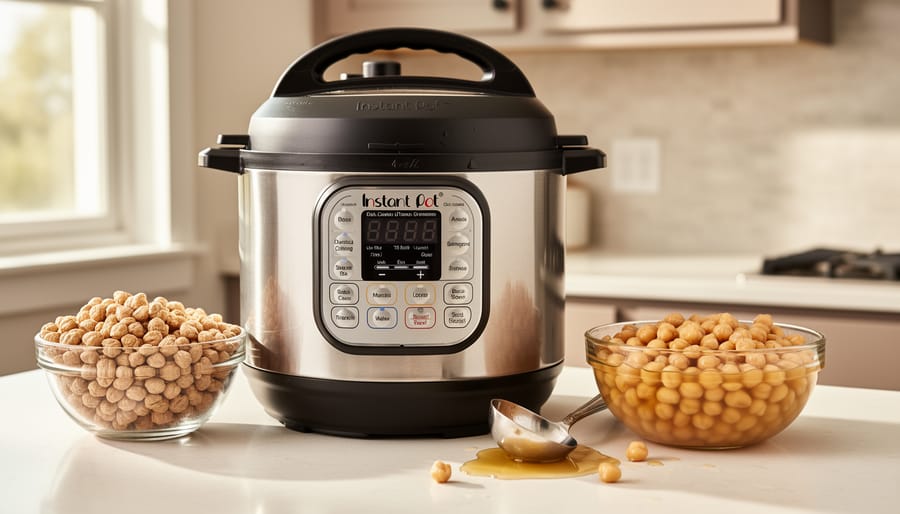
Soaked vs. No-Soak Chickpeas in the Instant Pot: Which Method Is Right for You?
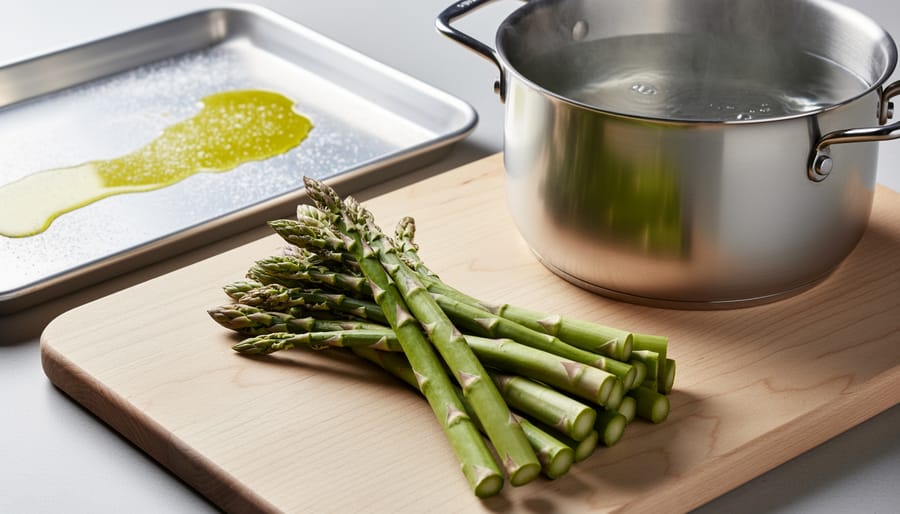
Cooking Asparagus: Best Methods and Timing for Fresh Canadian Spears
Asparagus cooks in 4 to 8 minutes depending on thickness and method, with pencil-thin spears ready in as little as 3 minutes while fat spears can take up to 10. The single biggest factor that changes timing? Freshness. Just-picked Canadian asparagus from late April through June cooks faster and more evenly than older stalks, which develop woody fibers that resist heat and turn mushy on the outside before the core softens.
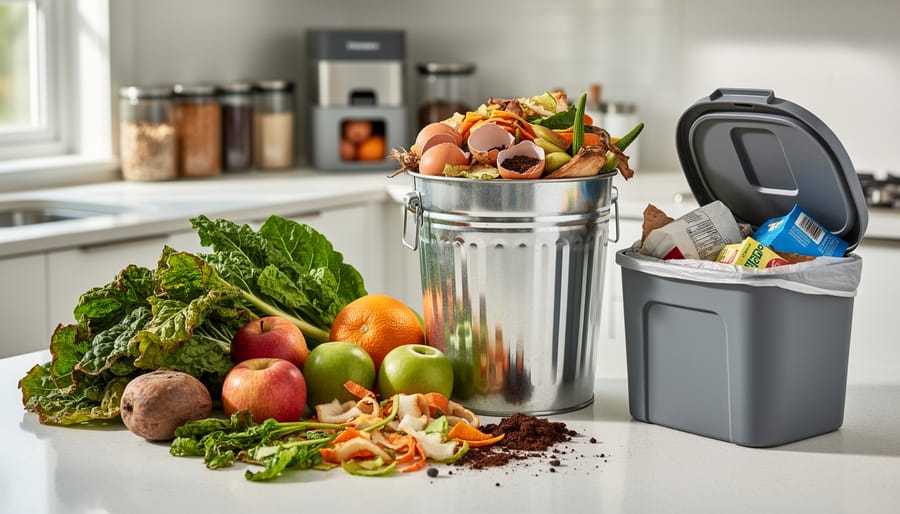
Overcooking asparagus wastes more than dinner. Those limp, khaki-green spears usually end up in the compost, taking your money and the effort of growers with them. Canadians toss roughly 2.3 million tonnes of …
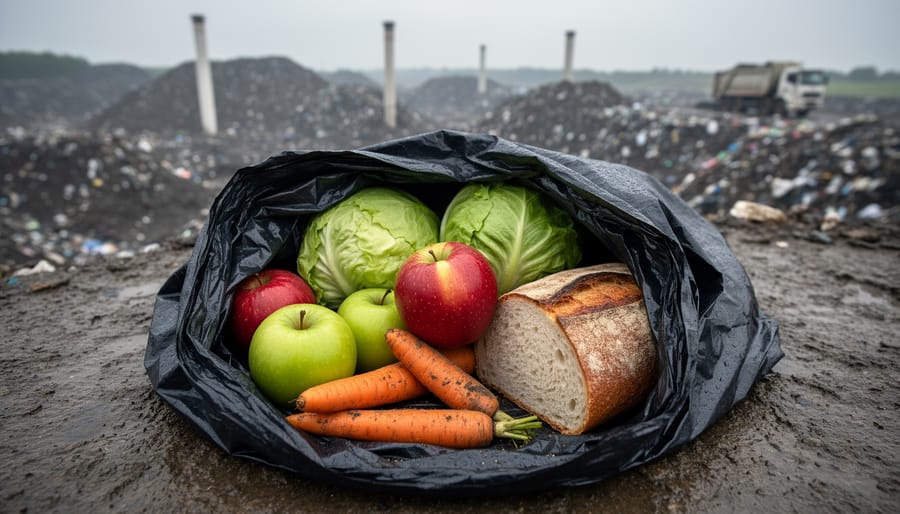
How Food Waste Harms the Planet (And What You Can Do About It)
Every year, Canadians throw away nearly 2.3 million tonnes of edible food. That’s enough to fill the Rogers Centre in Toronto eight times over. But the real cost isn’t measured in stadium volumes. It’s measured in the greenhouse gases heating our atmosphere, the fresh water vanished from our lakes and rivers, and the valuable farmland degraded for nothing.
When food rots in landfills, it produces methane, a greenhouse gas 25 times more potent than carbon dioxide. If global food waste were a country, it would be the third-largest emitter of greenhouse gases after China and the United States. In Canada alone, food …