Canada throws away a staggering amount of good food, and the encouraging part is that a growing network of organizations, businesses, and everyday people is stopping it. Nine of those Canadian champions are below, from the National Zero Waste Council and Love Food Hate Waste Canada to Second Harvest, community fridges, surplus-food apps like Too Good To Go, grocers with ugly produce and markdown programs, gleaning groups, chefs who cook with the whole ingredient, and home cooks like you. Each one comes with a simple takeaway you can use this week.
Here’s why it matters. Food that never gets eaten wastes the water, energy, and work it took to grow it, and it means a lot of groceries ended up in the landfill while neighbours were still skipping meals. Much of that waste happens at home, which is the hopeful bit. It means ordinary habits, like planning a few meals or freezing leftovers, make a real dent.
You’ll see how each hero works, what sets them apart, and one small step to try yourself. No guilt, no jargon, just practical ideas from people already doing the work across the country. Let’s meet them.
How We Chose These Canadian Food Waste Heroes
This is a curated list, not a lab test. We haven’t taste-tested, audited, or ranked anyone. Instead, we picked heroes who do real work on the problem and who show us something regular households can borrow. Here’s what we looked for:
- Canadian roots and a real presence across the country
- A clear focus on preventing food waste or rescuing good food
- Practical takeaways you can try in your own kitchen
- A mix of scale, from home cooks to community groups, businesses, and industry
- An encouraging track record of making a difference
Think of the nine entries below as a friendly sampler, not a leaderboard. Nobody is “number one,” and the order doesn’t signal who matters most. Food waste is a big, shared challenge, and there are far more Canadian heroes out there than any single list could hold, from small neighbourhood projects to national efforts.
We also want to be upfront about the details. Programs change, grow, and sometimes wrap up, so we keep our descriptions general and encourage you to check each organization’s own site for current information before you donate, sign up, or volunteer.
Know a local food waste hero we missed? Tell us about the neighbour, café, farm, or community group making a difference near you. We’d love to hear about them.
Why Food Waste Is a Big Deal in Canada (Quick Context)
Food doesn’t get wasted in just one place. It slips away at nearly every step, from the field to the fridge. Farms lose some crops that never sell, processors trim away usable parts, grocers pull items that look a little off, and restaurants end up with extra prep and plate scraps. You can see how food waste across supply chain adds up when you look at the whole journey.
Homes are a big piece of that picture, and that’s actually encouraging. When a large share of waste happens in kitchens like ours, small daily choices carry real weight. Tossing wilted greens or forgotten leftovers also means throwing away money we already spent at the checkout.
The impact goes beyond the grocery bill. Food that ends up in the landfill breaks down and releases methane, a greenhouse gas, and all the water, energy, and labour used to grow it is lost too. That’s one more reason food waste harms the planet in ways we can help reduce.
The good news is that each of these stages also has people doing something about it, as the heroes below show.
9 Canadian Food Waste Heroes Worth Knowing
1. The National Zero Waste Council, Bringing the Whole Country to the Table
The National Zero Waste Council works on a simple idea: no single group can solve food waste alone. The Council brings governments, businesses, and community organizations to the same table so they can share ideas, set common goals, and move in the same direction. That kind of teamwork matters in a country as big and varied as Canada, where a grocery chain in Ontario and a household in Nova Scotia face very different challenges.
Food Back has been glad to collaborate with the Council and with food industry partners to help spread practical, approachable ways to waste less. The collaboration shows that change doesn’t only come from policy; it grows when people at every level pick up better habits.
Your takeaway: you don’t need a grand plan. Choose one small habit, like checking the fridge before you shop, and build from there.
2. Love Food Hate Waste Canada, Making Waste Reduction Everyday Talk
Love Food Hate Waste Canada is a national awareness campaign built around a simple idea: wasting less food should feel normal, doable, and a little bit fun. It comes out of the National Zero Waste Council’s work, and it speaks directly to households, where a big share of avoidable waste happens.
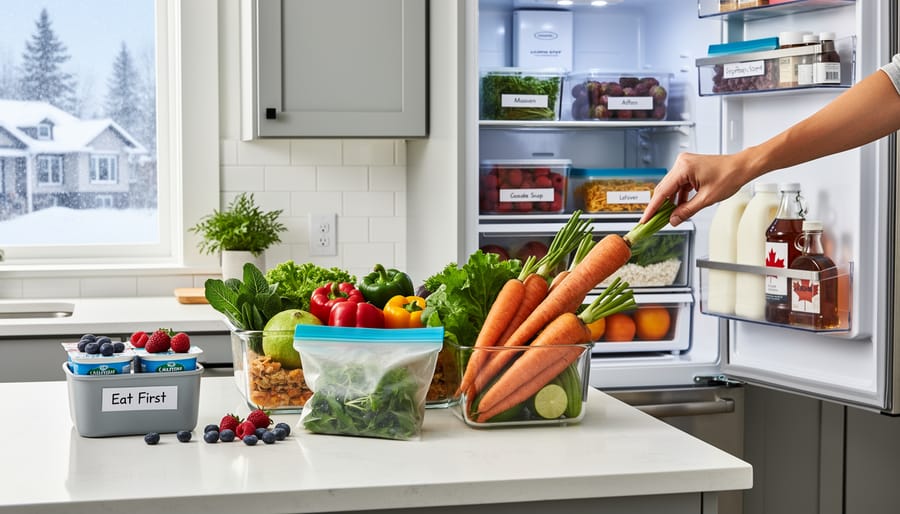
What makes it work is the everyday, practical advice. Plan your meals before you shop. Store produce so it lasts longer. Learn which leftovers freeze well. Turn tired veggies into soup or stir-fry instead of tossing them. Nothing here asks you to overhaul your kitchen, just to pay a little more attention.
Takeaway to try at home: before your next grocery run, check the fridge, freezer, and pantry, then plan a few meals around what you already have.
3. Second Harvest, Rescuing Good Food Before It’s Lost
Second Harvest is a Canadian food rescue organization that keeps good food from going to waste. Instead of letting surplus end up in the bin, it works with businesses across the food industry, such as growers, producers, and retailers, to redirect edible food to community organizations that serve people who need it.
What makes this approach so smart is its simplicity. The food is perfectly fine; it just happens to be in the wrong place at the wrong time. Moving it to where it’s wanted turns a loss into a meal.
You can borrow the idea at home. Next time you’ve bought or cooked more than you can eat, don’t wait for it to spoil. Share it with a neighbour, a friend, or a nearby community fridge while it’s still fresh.
4. Food Banks and Community Fridges, Neighbours Feeding Neighbours
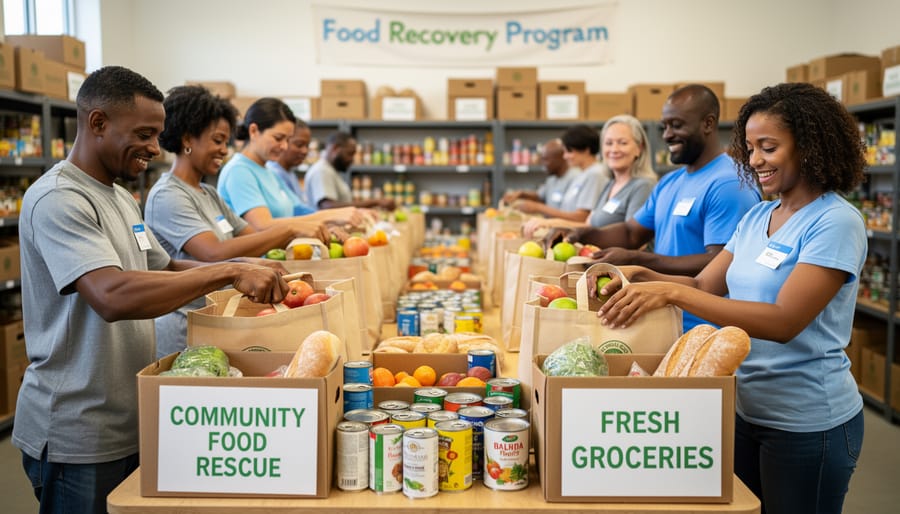
Food banks and community fridges are the grassroots heart of the movement. You’ll find food banks in cities, small towns, and remote communities all over the country, many of them run largely by volunteers who sort, pack, and hand out donations week after week. Community fridges, the stocked and shared refrigerators that pop up outside shops, community centres, and neighbourhood hubs, add a more casual option: take what you need, leave what you can.
What makes these local helpers heroes is how directly they connect extra food with the people who need it. A case of pantry staples that would have sat forgotten in a cupboard can end up on someone’s table within days. Both models also show that rescuing food doesn’t have to be complicated. It usually starts with neighbours noticing a gap and deciding to fill it.
Because every community runs things a little differently, it helps to check what your local food bank or fridge accepts before you drop anything off. Many take shelf-stable items, and some also welcome fresh produce, though the rules vary by place and by season.
Here’s the simple takeaway you can try at home: donate unopened, in-date pantry items you won’t use. Maybe it’s the extra tin of beans from a sale, a bag of pasta, or the cereal nobody in your household will eat. Give your cupboard a quick look every few months, set aside what’s sealed and still good, and pass it along. It clears space, saves money you’d otherwise waste, and puts that food to work for a neighbour.
5. Too Good To Go and Other Surplus-Food Apps, Rescue a Meal on Your Phone
Ever wished you could rescue a meal that would otherwise land in the bin? Surplus-food apps like Too Good To Go let you do exactly that. Local restaurants, bakeries and shops list unsold food at the end of the day, and you reserve it through your phone at a discount, then pick it up during a set window.
The format is simple. Many apps sell “surprise bags,” so you won’t know exactly what’s inside until you collect it. That’s part of the fun, and it keeps good food moving instead of ending up in landfill. Availability varies by city and neighbourhood, so check which apps operate near you.
The takeaway: it’s a budget-friendly way to save food and money at the same time. It’s also a handy model for your own kitchen. Think about your “end-of-day surplus” at home, and use up what’s left before it turns.
6. Grocers and Retailers With Ugly Produce and Markdown Programs
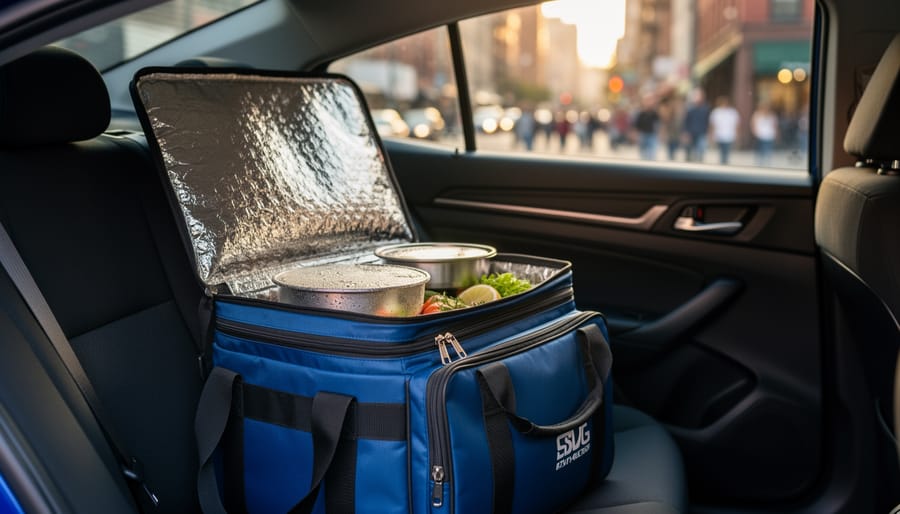
Many Canadian grocery chains now give imperfect produce a second chance. You’ll often spot bags of bent carrots, knobbly potatoes, or oddly shaped apples sold at a lower price, usually with a label that says something like “imperfect” or “ugly.” They taste the same and nourish just as well, but they used to be tossed because they didn’t look picture-perfect on the shelf.
Some retailers also mark down items that are close to their best-before date, often with bright stickers on meat, bakery goods, and dairy. Those discounts keep good food out of the bin and money in your wallet.
Your takeaway: buy the wonky carrot, and make a quick stop at the markdown shelf. Plan to cook or freeze marked-down items that same day or the next.
7. Farmers and Gleaning Groups, Saving Food Right From the Field
Some of the most overlooked food waste happens before a crop ever leaves the farm. A field of perfectly good carrots might go unharvested because the price dipped, the order fell through, or the produce looks a little too quirky for store shelves. That’s where Canadian farmers and gleaning groups step in.
Gleaning means volunteers head into fields and orchards after the main harvest, or ahead of a crop being plowed under, to pick what’s still good. Many farmers partner with local gleaning groups and food rescue organizations so that produce goes to people who can use it rather than to waste.
Your takeaway: buy from local farmers and farmers’ markets when you can, since steady demand helps farms sell more of what they grow. And look into whether a gleaning day is happening near you. It’s a great way to spend a morning outdoors.
8. Restaurant Chefs and Food Businesses Cooking With the Whole Ingredient
Across Canada, plenty of chefs and food producers are treating the whole ingredient as the goal, not just the pretty part. Root-to-stem cooking means broccoli stems get shaved into slaws, beet greens get sautéed, and carrot tops get blitzed into pesto. Nose-to-tail kitchens do the same with animal products, turning trimmings and bones into rich broths, sauces, and braises. Some food makers go a step further and find a second life for by-products, like spent grain from brewing or pulp left after juicing, so they end up in baked goods and snacks instead of the bin.
You don’t need a restaurant kitchen to borrow the idea. Keep a bag in the freezer for broccoli stems, onion ends, vegetable peels, and leftover bones. When it’s full, simmer everything with water for a homemade stock that costs you almost nothing. Food Back has more ideas for giving scraps a second act.
9. Home Cooks Like You, Small Habits That Add Up
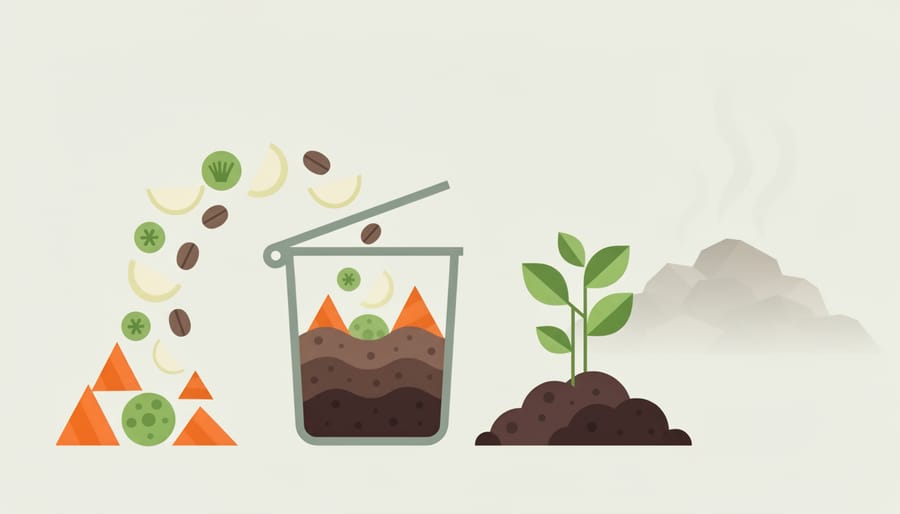
Every Canadian who plans a week of dinners, freezes the extra soup, or tosses peels into the compost bin is already a food waste hero. These small habits rarely make headlines, but across millions of kitchens they add up fast.
Here’s a simple weekly routine you can try. Before you shop, scan the fridge and pull anything close to its date to the front. Cook those older items first, and freeze extras like bread, cooked grains, and chopped herbs before they turn. If you’re stuck with soft bananas or wrinkly apples, bake muffins or a quick loaf. Then use leftovers to build the next day’s lunch instead of letting them linger.
Start with one habit this week, and let the rest follow.
Quick Ways to Join the Food Waste Heroes at Home
You don’t need a big overhaul to join the Food Waste Heroes. A few steady habits, repeated each week, do most of the work, and they fit nicely into Canadian life.
- Plan your meals around what’s already in the fridge and pantry.
- Shop with a list, and check your cupboards before you head out.
- Store food smart, using cool, dark spots for root veg through the long winter.
- Freeze extras like bread, bulk meat, and overripe bananas before they turn.
- Repurpose scraps, such as broccoli stems and vegetable peels, into stock or stir-fries.
- Compost what’s left if your municipality offers a program.
Pick one or two to start, not all six at once. Winter is a good time to build the freezer habit, since a big batch of soup or chili stretches several dinners and keeps leftovers from getting lost at the back of the shelf. If you’re stuck for ideas, Food Back’s tips and recipes are full of simple ways to turn what you have into a meal worth eating.
Common Questions About Food Waste in Canada
Food waste can feel like a big, tangled topic, so here are straight answers to the questions Canadians ask most. Local rules vary by municipality, so a quick check with your city is always smart.
What counts as food waste?
It’s any edible food that gets thrown away instead of eaten, like wilted greens, forgotten leftovers, or bread that went stale. Peels, bones, and cores usually count as food scraps rather than waste, and they’re perfect for stock or the compost bin.
Is food unsafe after its best-before date?
Not usually. A best-before date is about quality, so many foods are fine afterward if they look, smell, and taste normal. Use-by dates on things like infant formula are different, so follow those closely.
Can I donate extra food from home?
Yes, unopened, in-date, non-perishable items are welcome at most food banks. Some community fridges also accept fresh items, but rules differ by location, so check with your local one first.
What if my city has no compost program?
You can still compost. Try a backyard bin, a worm bin under the sink, or a countertop electric composter. Many apartment dwellers also drop scraps at a community garden or farmers’ market collection point, where available.
Starting small is the secret, whether you live in a house or a condo. Pick one habit, like using older items first or freezing extras, and build from there. If a question isn’t answered here, your municipality’s waste website is a great place to confirm local details like what goes in the green bin.
Be the Next Food Waste Hero in Your Community
Food waste is a shared problem, and the good news is that the solutions are shared too. Heroes come in every size, from national councils to the person who freezes their leftover bread this week. You don’t need a big plan to join them. Pick one habit, try it for seven days, and see how it feels.
If you’re looking for a place to begin, our practical tips are an easy starting point, and our guide to stop wasting food at home keeps it simple. You can also browse these community tips then share your own favourites with us.