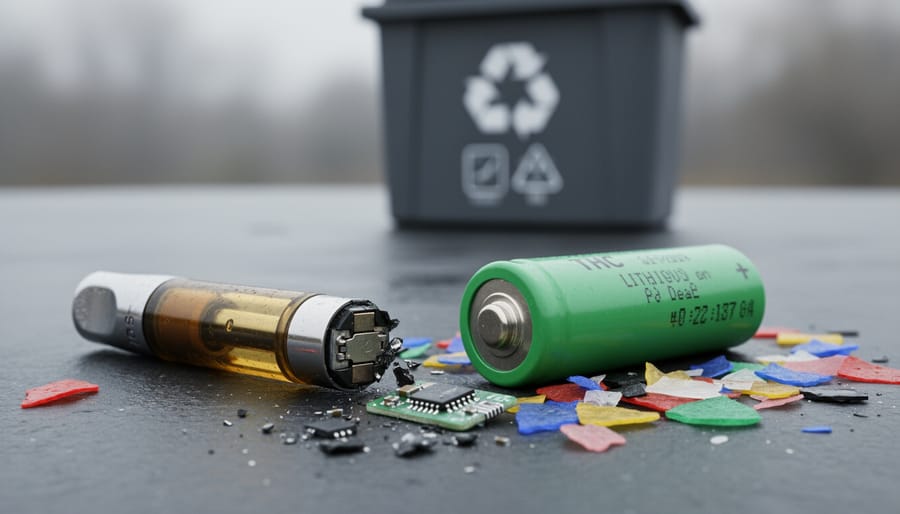
Vape waste refers to the discarded cartridges, batteries, and plastic components left behind when single-use or rechargeable vaping devices reach the end of their life. In Canada, where consumers can legally buy THCP vapes and other cannabis products, this waste stream has grown quietly but dramatically since legalization, creating an environmental problem that combines toxic battery chemicals, unrecyclable plastics, and leftover cannabis oils into a disposal nightmare most users don’t think about.
Here’s the reality: each discarded vape cartridge contains lithium-ion battery fragments, circuit boards, and mixed-material housings that municipal recycling programs aren’t equipped to handle. When tossed in household garbage, these components leach heavy metals into landfills. When incinerated, they release toxins into the air. And because cannabis products carry regulatory complexity, even well-meaning consumers struggle to find proper disposal channels.
The scale matters. Canadians purchased millions of vape products in 2025 alone, from nicotine devices to THC cartridges. Most ended up in the trash within weeks. Unlike glass bottles or aluminum cans, vapes don’t fit neatly into existing waste infrastructure. They’re too contaminated for electronics recycling, too small for battery drop-off programs, and too chemically complex for composting.
This article breaks down exactly what happens to vape waste after you’re done with it, why current disposal systems fail, and what practical steps you can take right now to reduce your environmental footprint without giving up the products you use.
What Vape Waste Actually Is
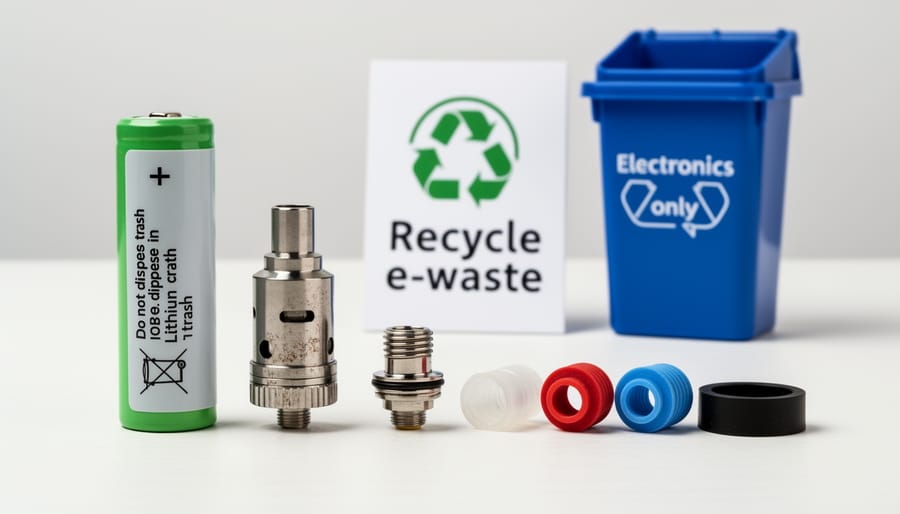
Vape waste is what’s left after a THCp cartridge or disposable vape pen gets tossed in the trash. Unlike organic food scraps or even some plastics, these devices combine several problematic materials in one small package, making them particularly troublesome for the environment.
Every THCp vape product contains a mix of components that shouldn’t end up in landfills:
- Lithium-ion batteries
- Small rechargeable power sources that can leak toxic chemicals and pose fire risks when crushed in garbage trucks or landfills. They require specialized recycling.
- Polycarbonate plastics
- The hard plastic housing and mouthpiece that can take hundreds of years to break down, fragmenting into microplastics that contaminate soil and water.
- Heavy metals
- Components like lead, nickel, and chromium used in heating elements and circuits, which leach into groundwater when the device corrodes.
- Residual cannabis oils
- Leftover THCp concentrate trapped in cartridges that contains both the active compounds and thinning agents, some of which persist in the environment.
The problem with THCp cartridges isn’t just one material, it’s how these materials combine. You can’t simply unscrew a disposable vape and separate its parts for proper disposal. The battery is often sealed inside plastic housing, the metal heating coil is embedded in the cartridge, and traces of cannabis oil coat internal surfaces. This fusion of incompatible waste streams means most municipal recycling programs won’t accept them.
Single-use disposables create the biggest challenge because they’re designed to be used once and discarded completely, battery and all. Even refillable THCp cartridges eventually become waste when the heating element burns out or the threading wears down. Each discarded unit adds to Canada’s growing e-waste problem while introducing cannabis-specific contaminants into waste streams that weren’t designed to handle them.
How Vape Waste Enters the Environment
When you finish with a THCp vape cartridge or disposable, what happens next determines whether it becomes an environmental problem. Most of these products end up in household garbage, which sets off a chain of events that can contaminate soil, water, and air.
The typical path starts when someone tosses an empty or depleted vape into a regular trash bin. From there, it goes to a landfill along with other household waste. Unlike organic materials that break down naturally, vape products contain components that persist for decades or longer. The plastic housings can take 500 years to decompose, while lithium-ion batteries inside many disposable vapes never truly break down, they just fragment into smaller pieces.
Here’s where the real trouble begins. Landfills aren’t sealed environments. Rain and moisture percolate through the waste, creating a liquid called leachate that picks up whatever it contacts. When leachate meets discarded vapes, it dissolves residual cannabis oil, nicotine from older devices, and heavy metals from batteries, primarily lithium, cobalt, and nickel. This contaminated liquid can seep into groundwater if landfill liners fail or overflow during heavy rainfall. Once in the water table, these pollutants spread beyond the landfill site.
The battery component creates additional hazards. When compressed by heavy machinery or degraded by moisture, lithium-ion batteries sometimes rupture or even catch fire. Landfill fires release toxic fumes containing heavy metals and burning plastics into the air. Even without fires, batteries release their contents slowly as casings corrode, adding to the leachate’s chemical load.
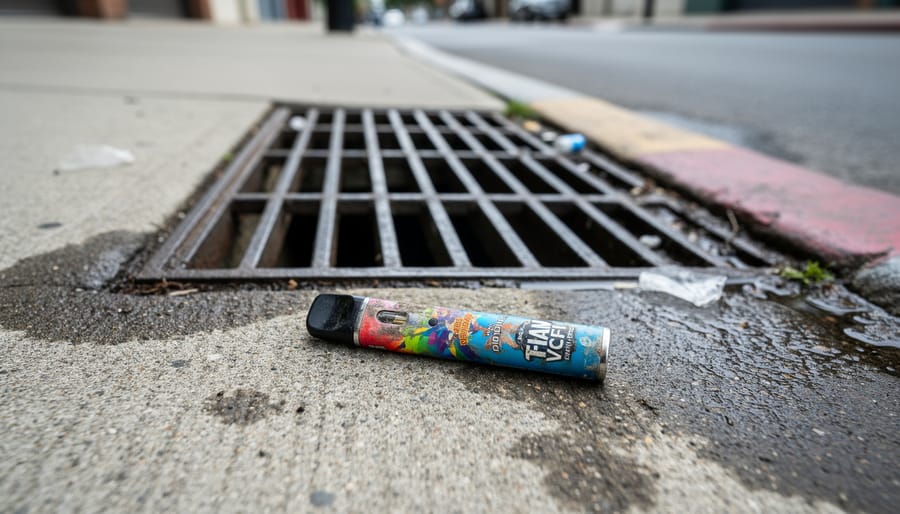
Some vapes end up in storm drains or as litter. Rain washes them into streams and rivers, where plastic fragments scatter and chemicals leach directly into aquatic systems. Fish and wildlife can ingest small pieces, mistaking them for food.
The problem compounds because many people don’t realize vapes are electronic waste. They look disposable, so they get treated as disposable. But these products combine the worst aspects of several waste categories: e-waste, hazardous materials, and plastic pollution. Without proper handling, each discarded THCp vape becomes a small, persistent source of contamination. The convenience that makes them popular is exactly what makes them dangerous after use.
Different Types of Cannabis Vape Products and Their Impact
Not all cannabis vape products create equal amounts of waste. The format you choose determines how much plastic, metal, and electronic components end up in landfills. Understanding the differences helps you make choices that align with your environmental values.
Refillable Cartridges
These attach to a rechargeable battery you keep and reuse. When the cartridge empties, you replace just that component, typically a small glass or plastic chamber with a heating element. While you still dispose of the spent cartridge (with its metal coil and any residual THCp oil), the battery can last months or even years with proper care. This format generates significantly less waste per dose than alternatives. The main environmental cost comes from manufacturing the battery initially, but that impact gets distributed across hundreds of uses.
Single-Use Disposables
These all-in-one devices combine battery, cartridge, and oil in one sealed unit. When the oil runs out (or the battery dies), you throw away the entire device. A typical disposable contains the same lithium-ion battery technology as refillable systems, plus all the cartridge components, but you use it once. Think of it like buying a new flashlight every time the batteries die instead of just replacing the batteries. Disposables create three to five times more waste per milligram of THCp consumed compared to refillable systems. They’re the most convenient option and the worst for the environment.
Pod Systems
These sit between the other two formats. You keep a rechargeable battery device, but replace pre-filled pods rather than open cartridges. Each pod contains more plastic housing than a standard cartridge, and some include additional electronic components for temperature control or airflow adjustment. Pod systems generate more waste than simple refillable cartridges but less than disposables. The trade-off is convenience, pods snap in without threading or leaking concerns.
The pattern is clear: the more components you throw away per use, the bigger the environmental footprint.
Where and How THCp Vapes Are Used
THCp vapes have become popular across Canada precisely because they’re convenient and discreet. People use them at home, at social gatherings, during outdoor activities, and while traveling, basically anywhere traditional smoking would be impractical or conspicuous. This portability is the product’s main selling point, but it’s also what makes the waste problem so widespread.
The typical usage pattern looks like this: someone buys a disposable or cartridge, uses it over several days or weeks, and then tosses it when it’s empty. Because these devices are small and designed for on-the-go use, they often end up discarded wherever it’s convenient, bathroom trash cans, park bins, or even just tossed in a bag and forgotten. Unlike larger purchases that feel significant enough to warrant proper disposal, a spent vape cartridge feels disposable in every sense.
Common contexts where THCp vapes generate waste include:
- Home use, where cartridges often go into household trash alongside other waste
- Social settings like parties or concerts, where convenience trumps disposal planning
- Outdoor recreation, camping, hiking, festivals, where proper waste facilities may not exist
- Travel situations where people prioritize lightness and disposability over sustainability
- Workplaces and vehicles, where discrete consumption leads to casual disposal
The Canadian cannabis market has grown substantially since legalization, and THCp products represent a significant segment of that growth. Sales data shows thousands of these units moving through legal channels monthly, and each one eventually becomes waste. The convenience that makes them attractive, no charging cables, no refilling, no maintenance, means users don’t form the same attachment or responsibility they might with a reusable device. You finish it, you throw it away, you buy another. That cycle, multiplied across millions of users, creates a waste stream that most people never consciously consider until it’s pointed out.
The Real Environmental Cost
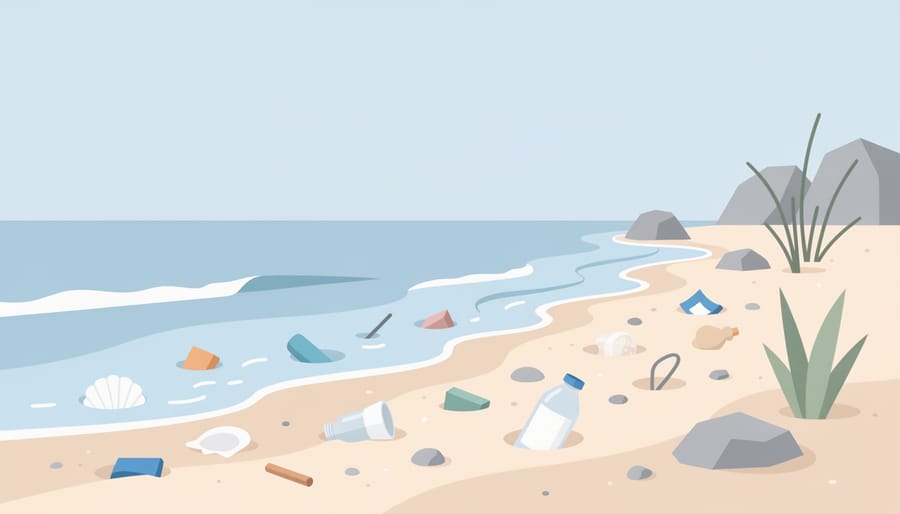
The numbers behind vape waste tell a story that’s hard to ignore. Canadians dispose of millions of vape devices each year, and THCp products follow the same troubling pattern as nicotine vapes. Each disposable contains a lithium-ion battery, the same type used in smartphones, but most end up in landfills instead of recycling facilities. A single THCp disposable vape holds roughly the same amount of lithium as what’s needed to power a smartphone for several hours, yet its useful life might last just a few days of use.
The plastic waste compounds the problem. Most THCp cartridges and disposables use mixed plastics that aren’t accepted by standard municipal recycling programs. Think of it this way: if you used one disposable vape per week, you’d generate roughly the same plastic waste as 52 single-use water bottles annually, except vape plastics are contaminated with residual cannabis oil and aren’t recyclable through normal channels.
Heavy metal contamination presents another layer of concern. The heating elements in vape cartridges contain metals like lead, nickel, and chromium. When these devices break down in landfills, those metals leach into surrounding soil. A study of e-waste sites found heavy metal concentrations up to 100 times higher than background levels in nearby soil samples.
Canada produces over a million tonnes of electronic waste annually, and vape products now represent a growing fraction of that total. Unlike larger electronics that people recognize as e-waste, vape cartridges often get tossed in household trash because they’re small and seem insignificant. But those small actions add up to thousands of kilograms of toxic materials entering the waste stream every month across Canadian municipalities.
What You Can Do About It
You have more power than you might think. Start by never tossing vape cartridges or disposables in your regular trash or recycling bin, they don’t belong there. Most Canadian municipalities offer battery recycling programs at civic centers, libraries, or big-box retailers. Call2Recycle locations across the country accept vape batteries for free. Before dropping off a cartridge, check if your municipality requires you to remove it from its housing (some do, some don’t).
Choose refillable THCp cartridges over disposables whenever possible. A single refillable unit generates about 70% less waste than buying multiple disposables, and the upfront cost pays off quickly. When that cartridge finally wears out, follow the same battery recycling route.
Some cannabis retailers in Ontario, British Columbia, and Alberta now run take-back programs, ask at the counter or check their website. If your local shop doesn’t participate, tell them you’d like to see one. Consumer demand drives these initiatives.
Advocate for producer responsibility. Email cannabis brands and provincial regulators requesting mandatory take-back systems and standardized recycling. When companies know customers care, policies shift. This parallels how we’ve pushed food businesses to reduce waste, the same pressure works for vape products.
While vape waste and food waste are different problems, the mindset overlaps. Just as we use food scraps creatively and celebrate Food Waste Heroes who make use of wasted food treating vape cartridges as recyclable components rather than throwaway junk requires the same shift in thinking.
Finally, extend the life of what you buy. Store cartridges upright in cool, dry places. Clean connections regularly. These simple habits reduce how often you’re disposing of anything in the first place.
Common Questions About Vape Waste
Can I throw THCp vape cartridges in my regular recycling bin?
No. Most municipal programs can’t process vape products because they contain batteries, electronics, and hazardous residues mixed together. These need specialized e-waste handling, not curbside recycling.
Are disposable THCp vapes more dangerous to the environment than other e-waste?
They combine several problems into one product, lithium batteries that can cause fires in landfills, plastics that persist for centuries, and heavy metals that leach into soil and water. The single-use design means these impacts multiply with each unit discarded.
Do cannabis retailers have to take back empty cartridges?
Requirements vary by province, but many retailers don’t currently offer take-back programs for vape products. Some provinces are developing extended producer responsibility rules, but implementation remains inconsistent across Canada.
Is it safe to remove the battery before disposal?
Don’t try to disassemble vape products yourself. Lithium batteries can short-circuit or catch fire if punctured, and residual THCp oil may still be present. Take intact products to designated e-waste or hazardous waste collection sites.
The confusion around proper disposal highlights a bigger issue: we’ve made these products incredibly convenient to buy and use, but disposal infrastructure hasn’t kept pace. Just as we’re learning to save food from wasting through better planning and storage, addressing vape waste requires both individual action and systemic change. Check with your municipality’s hazardous waste program or search for electronic recycling events in your area, many communities hold periodic collection days specifically for batteries and small electronics.
The environmental toll of vape waste is real, measurable, and entirely preventable. Every THCp cartridge tossed in the trash adds batteries, plastics, and heavy metals to landfills where they leach into soil and water. But unlike many environmental problems that feel too large to tackle, vape waste reduction is something you can act on immediately.
Choosing refillable systems over disposables, properly recycling batteries at designated drop-offs, and supporting companies that take producer responsibility, these aren’t grand gestures. They’re practical decisions that reduce harm one cartridge at a time.
Vape waste connects directly to the larger waste reduction work that matters to us at Food Back. Just as composting kitchen scraps and choosing reusable containers shrink your household footprint, responsible vape disposal fits the same ethic. Waste is waste, whether it comes from your pantry or your pocket.
The products are legal. The market is growing. But growth doesn’t have to mean more pollution. Start with one change, recycle that next empty cartridge, switch to a refillable system, or ask your retailer about take-back programs. Small shifts, multiplied across thousands of Canadians, create the momentum that forces better solutions into existence.