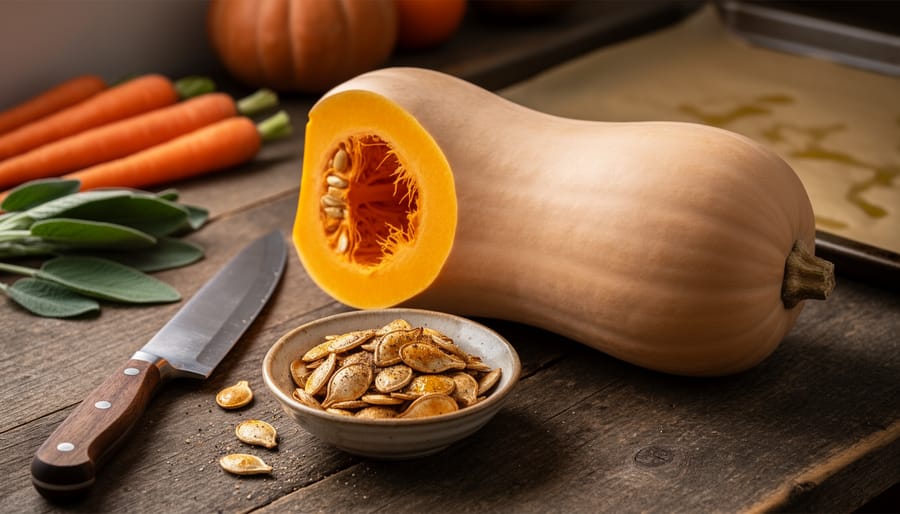
Fall is the perfect time to enjoy recipes with butternut squash, as this produce is readily available in grocery stores and farmers markets around the country. Western Canada grows this versatile fall squash, and if you keep it in a cool, dark place or your refrigerator, it stays fresh for months. The best part? You can use food scraps like seeds and peels that most cooks toss out.
These eight butternut squash recipes embrace whole-squash cooking, turning what would be waste into delicious ingredients. Roast the seeds for a crunchy snack, simmer the peels into rich vegetable stock, or blend the entire squash into creamy soups. Each recipe celebrates this autumn staple while keeping your kitchen scraps out of the landfill.
Whether you’re roasting wedges for a weeknight dinner or preparing a showstopping stuffed squash for guests, these recipes deliver practical solutions for home cooks who care about reducing waste. You’ll find simple techniques that transform butternut squash from a single-use ingredient into a zero-waste powerhouse that carries you through the season.
Why Butternut Squash Is Fall’s Zero-Waste Hero
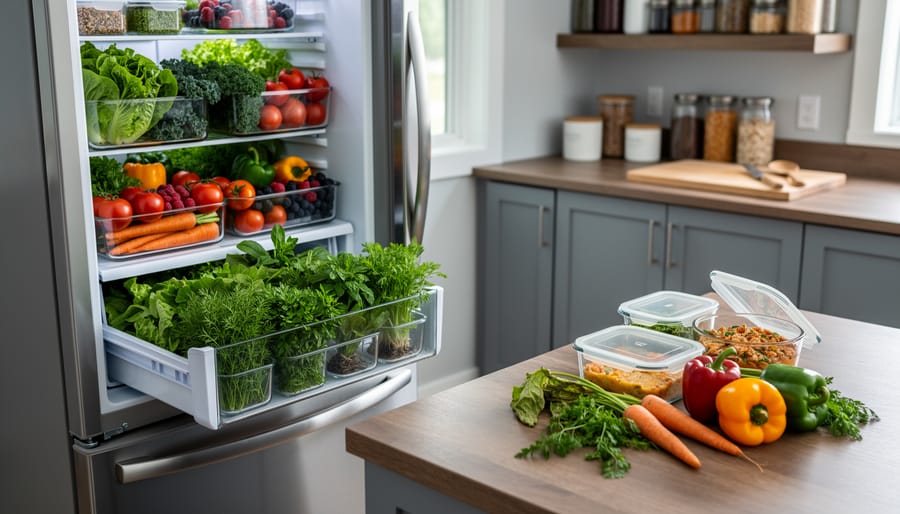
Butternut squash earns its reputation as fall’s zero-waste hero through a combination of impressive storage capacity and remarkable versatility. Unlike delicate greens that wilt within days or berries that spoil quickly, butternut squash stays fresh for months when stored properly in a cool, dark place at room temperature or in the refrigerator. This extended shelf life means you can buy in bulk during peak season without worrying about spoilage, giving you time to work through the squash thoughtfully rather than racing against rot.
In Canada, butternut squash season peaks in fall when the squash grown in Western Canada floods farmers markets and grocery stores across the country. This seasonal abundance makes it easy to source locally, reducing transportation emissions while supporting regional growers. The squash’s thick skin protects the flesh during transport and storage, meaning less damage and waste compared to fragile produce.
What truly sets butternut squash apart for waste reduction is that nearly every part is usable. The flesh works in everything from soups to pizzas, the seeds roast into crunchy snacks, and even the peels can become crispy chips. This whole-squash approach transforms what many cooks discard into valuable ingredients, making butternut squash an ideal starting point for anyone looking to reduce kitchen waste this fall.
How We Chose These Recipes
We built this list around three core principles that make butternut squash recipes practical and waste-reducing for home cooks. Each recipe had to demonstrate creative ways to use the whole squash, seeds, skin, and flesh, rather than sending edible parts to the compost bin. We prioritized accessible ingredients you likely already have or can find at Canadian grocery stores and farmers markets, along with straightforward techniques that don’t require advanced cooking skills.
The waste-reduction angle sets these recipes apart from typical butternut squash roundups. While established sources like NYT Cooking, Canadian Living, and Food52 offer excellent inspiration, we specifically chose approaches that help you save food from wasting at every step. That means recipes that embrace imperfect produce, incorporate vegetable scraps, repurpose leftover ingredients, and turn typically discarded parts into delicious components. Whether you’re roasting seeds as garnish, baking peels into chips, or using the skin as an edible bowl, these recipes maximize every bit of this versatile fall squash.
1. Roasted Butternut Squash Soup with Toasted Seeds
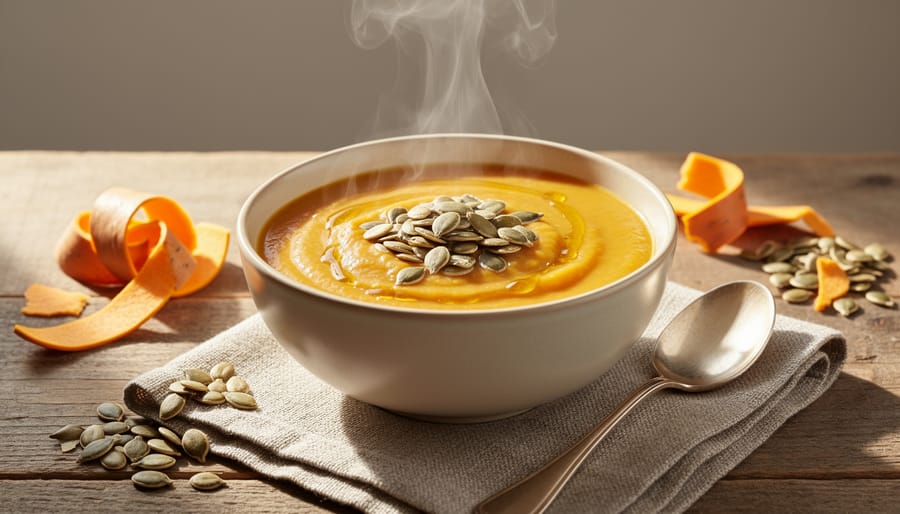
This soup transforms the whole squash into two components instead of one. Roast cubed butternut squash flesh with olive oil, salt, and pepper until caramelized, then blend it with vegetable stock until smooth. The key waste-reduction step happens before roasting: scoop out the seeds and stringy pulp, separate the seeds from the fibers, rinse them clean, and dry squash seeds thoroughly before tossing with oil and salt. Toast them in a 300°F oven for 15 to 20 minutes, stirring occasionally, until golden and crunchy.
Use those toasted seeds as a garnish on each bowl of soup instead of buying packaged croutons or nuts. The peels can go straight into your compost bin or green bin if your municipality accepts them. For extra waste reduction, make the stock from vegetable scraps you’ve saved in the freezer throughout the week: onion ends, carrot peels, celery tops, and herb stems all work. This approach turns one squash into soup, garnish, and compost material while using up odds and ends from your fridge.
2. Butternut Squash and Walnut Galette

A galette offers the perfect opportunity to use up vegetable trimmings and leftover pastry scraps while creating something impressive. Unlike precise tarts, galettes embrace rustic imperfection, the dough folds roughly around the filling, and slightly misshapen squash slices fit right in.
Start with roasted butternut squash cubes or slices, tossed with olive oil and any herbs you need to use. Crumble toasted walnuts over the top for earthy richness and textural contrast. If you have spare onion ends, caramelized remnants from another meal, or even that last spoonful of ricotta, fold them into the filling.
The beauty of galettes is their forgiveness. Too much filling? Fold the edges higher. Dough scraps from previous baking? Pat them together, a patchwork crust still bakes golden and flaky. Slightly wrinkled squash that sat too long in the crisper? Roasting transforms it into sweet, caramelized perfection.
Roll the dough thin, pile the squash in the center, and fold the edges over in whatever pattern works. Brush with egg wash or milk, bake until the crust browns and the squash softens completely. You have turned potential waste into a dinner centerpiece that looks intentionally artisan rather than accidentally rescued.
3. Whole Roasted Butternut Squash Halves

This might be the simplest recipe on the list, and that’s exactly why it works. Cut your butternut squash in half lengthwise, scoop out the seeds (save them for toasting), and roast the halves cut-side up with a drizzle of oil, salt, and pepper. That’s it.
The skin becomes tender as it roasts, turning into an edible bowl that holds whatever filling you like. Try roasted vegetables, quinoa, lentils, or leftover rice mixed with herbs. You eat everything on your plate, including the skin, which adds extra fiber and eliminates the usual peeling waste.
This approach also saves prep time. No peeling, no cubing, no fussy knife work. Just halve, seed, season, and roast at 400°F until the flesh is tender when pierced with a fork, usually 45 to 50 minutes depending on size.
The halves reheat well, too. Make them on Sunday, fill them throughout the week with whatever grains or greens need using up. You get a complete meal with minimal waste and maximum flexibility.
4. Butternut Squash Pizza with Caramelized Onions

Pizza makes one of the smartest platforms for using up small amounts of vegetables that might otherwise go to waste. This butternut squash version pairs thinly sliced squash with caramelized onions, transforming odds and ends into a complete meal.
Start by rescuing day-old pizza dough from your fridge, it actually works better than fresh since it’s easier to stretch. If you have homemade dough that’s been sitting for two or three days, this is the perfect opportunity to use it. Roll it out thin and brush with olive oil.
Slice your butternut squash into rounds about ⅛-inch thick. You’ll need roughly one cup of sliced squash for a standard 12-inch pizza, which means even a quarter of a medium squash works perfectly. Arrange the slices directly on the dough, they’ll roast as the pizza bakes.
For the onions, slice one medium onion (yellow or red both work) and cook it slowly in a skillet with a bit of oil until deeply golden. This takes about 15 minutes but rescues onions that are starting to soften or sprout. Scatter the caramelized onions over the squash, add whatever cheese you have on hand, and bake at 475°F until the crust crisps and the squash edges caramelize, usually 12 to 15 minutes.
The beauty of this approach is flexibility. That half onion in your crisper, the end of a mozzarella block, even wilting sage leaves all find purpose here.
5. Butternut Squash Peel Chips
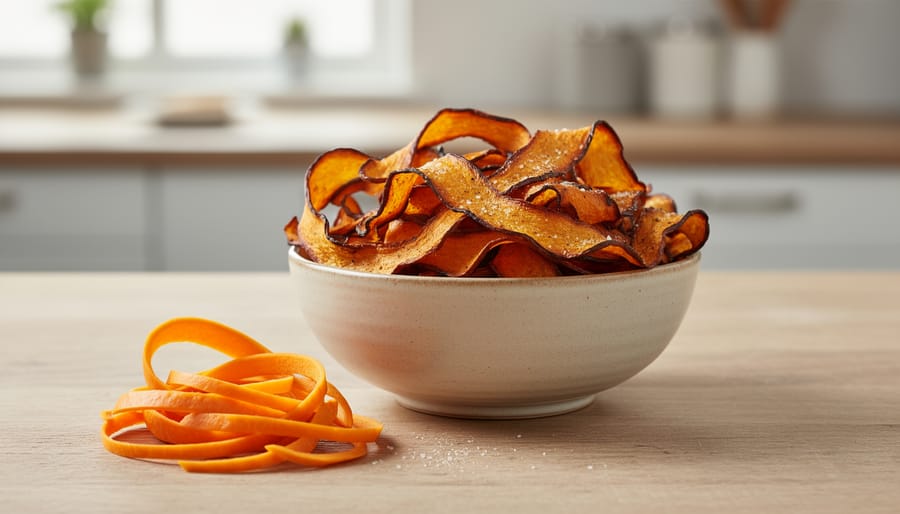
Most home cooks peel butternut squash and toss the skin straight into the compost bin, but those peels can become a surprisingly addictive snack. When seasoned and baked, butternut squash peels crisp up into chips that taste like a cross between sweet potato fries and kale chips, earthy, slightly sweet, and satisfyingly crunchy.
The trick is keeping the peels in fairly uniform strips so they bake evenly. After peeling your squash with a vegetable peeler or sharp knife, toss the strips with a light coating of olive oil, salt, and whatever spices you have on hand. Smoked paprika, garlic powder, and a pinch of cayenne work well, but even just salt brings out the natural sweetness. Spread them in a single layer on a parchment-lined baking sheet and roast at 375°F for about 15 to 20 minutes, flipping halfway through, until they’re golden and crisp at the edges.
Check them frequently in the last few minutes, they go from perfectly crispy to burnt quickly. Let them cool on the pan for a minute before eating; they’ll continue to crisp as they cool. If some pieces stay chewy, that’s fine too. You’ve turned what would’ve been waste into a nutrient-dense snack that’s higher in fiber than the flesh alone.
6. Mashed Butternut Squash with Rescued Herbs

This mash transforms butternut squash into a velvety side dish while giving new life to herbs that have seen better days. Those slightly wilted sprigs of thyme, rosemary, or sage sitting in your crisper drawer bring concentrated flavor to the finished dish, proving that “past peak” doesn’t mean past use.
Start by peeling and cubing about 2 pounds of butternut squash, then steam or boil until fork-tender. Drain well and mash with a potato masher or fork, leaving some texture if you prefer. Stir in a tablespoon of butter or olive oil, then finely chop your rescued herbs. Even if they look droopy, their essential oils remain potent. Add them directly to the warm mash along with salt and pepper to taste.
The key is using the herbs’ concentrated flavor to your advantage. Woody herbs like rosemary and thyme work especially well here, as cooking mellows their intensity. If your herbs are truly on their last day, consider doubling the amount you’d normally use with fresh sprigs.
This approach works with nearly any soft herbs you need to finish. Parsley, chives, and cilantro add brightness, while sage and marjoram bring earthy depth. The creamy squash base accommodates them all, turning potential waste into a flavorful accompaniment for roasted meats or grain bowls.
7. Butternut Squash and Leftover Grain Bowl
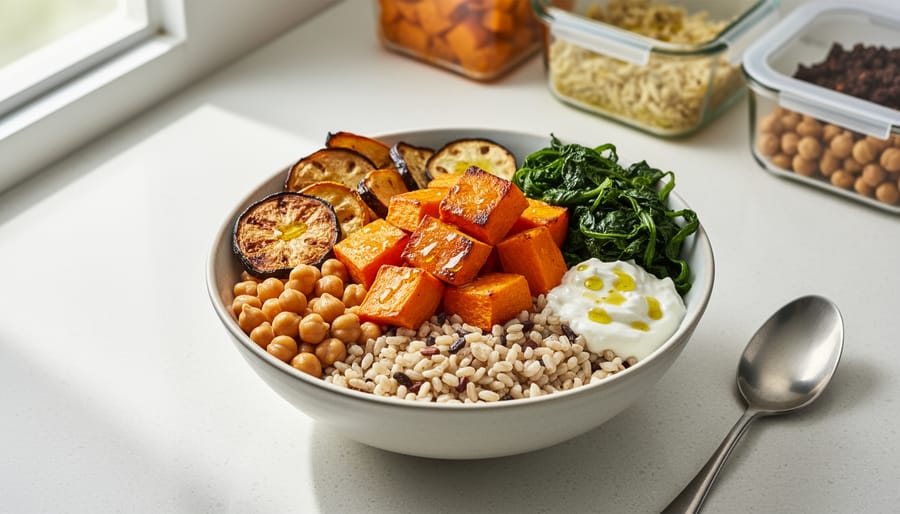
This recipe solves two problems at once: what to do with leftover grains taking up fridge space and how to create a satisfying meal without buying extra ingredients. Start with whatever cooked grain you have, rice from takeout, quinoa from meal prep, farro, or even leftover pasta works. Roast butternut squash cubes tossed with olive oil and your preferred seasonings until caramelized (about 25 minutes at 400°F). Layer the warm squash over your reheated grains and add whatever vegetables need using: wilted spinach, the last bit of kale, roasted chickpeas from earlier in the week, or that partial bag of frozen peas.
The template is endlessly adaptable. Dress it with tahini thinned with water, the dregs of a salad dressing bottle, or simply good olive oil and lemon juice. Sprinkle on toasted squash seeds if you saved them from an earlier recipe, or use sunflower seeds, leftover nuts, or crumbled cheese. The point is using what you have rather than shopping for specific ingredients. This approach transforms random refrigerator odds and ends into a composed meal, and you can scale portions based on how much grain and squash you’re working with. Save any leftovers for lunch the next day.
8. Butternut Squash Seed Pesto
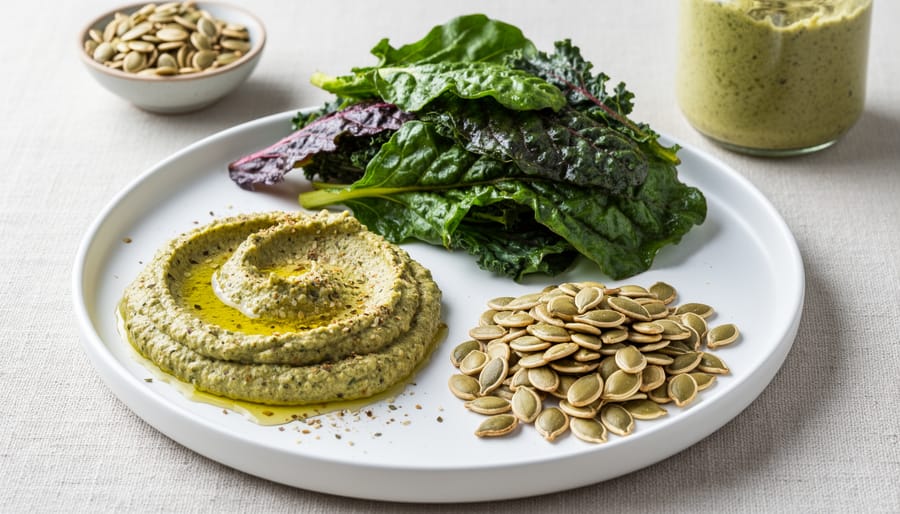
This pesto turns what most people throw away into a surprisingly rich sauce. After scooping out your butternut squash, rinse the seeds and pat them dry, then blend them with garlic, olive oil, and whatever greens are wilting in your crisper drawer, spinach, aruglic, kale stems, even carrot tops work. The seeds bring a subtle nutty flavor similar to sunflower seeds, without the cost of pine nuts.
For extra depth, grate in any hard cheese rinds you’ve been saving in the freezer. Parmesan rinds add umami punch while using something that would otherwise be discarded. This recipe addresses three waste streams at once: seeds, wilting greens, and cheese scraps. Blend everything until smooth, adjusting olive oil to reach your preferred consistency.
The pesto keeps in the fridge for a week or freezes well in ice cube trays for quick future use. Toss it with pasta, spread it on sandwiches, or dollop it over roasted vegetables. Understanding how food waste harms the planet makes these small rescue acts meaningful, you’re keeping perfectly good ingredients out of the landfill while creating something genuinely delicious.
Key Details to Know
Butternut squash is remarkably forgiving and versatile, but a few practical details make the difference between good results and great ones. Here’s what you need to know before you start cooking:
- Store whole butternut squash in a cool, dark place at room temperature for up to three months, or refrigerate for even longer shelf life
- The skin is edible once roasted, it softens and adds fiber, eliminating the need to peel in most recipes
- Clean seeds by separating them from the stringy pulp under cold running water, then pat dry before roasting
- One medium butternut squash (about 2-3 pounds) yields roughly 3-4 cups of cubed flesh, enough for most recipes
- Peels, ends, and trimmings can go straight into your compost bin or be turned into vegetable stock
- Western Canada grows most of the butternut squash available in Canadian markets, with peak harvest in fall
These details help you make the most of every part of the squash while avoiding common mistakes. Whether you’re roasting halves with the skin on or cleaning seeds for pesto, knowing these basics streamlines your prep work and reduces what hits the waste bin.
Common Questions About Butternut Squash
How long does butternut squash stay fresh?
Butternut squash stays fresh for months if kept in a cool, dark place at room temperature or in the refrigerator. Whole, uncut squash stored properly can last two to three months, making it an excellent choice for reducing waste during fall and winter.
Can you eat the skin of butternut squash?
Yes, butternut squash skin is edible once cooked and becomes tender when roasted. Leaving the skin on reduces prep time, adds fiber, and eliminates waste from peeling.
How do you clean butternut squash seeds for eating?
Scoop the seeds into a colander and rinse under cool water, rubbing gently to remove the stringy pulp. Pat them dry with a towel, toss with oil and seasoning, then roast at 300°F for 20 to 25 minutes until golden and crispy.
When is butternut squash season in Canada?
Butternut squash season peaks in fall, with Western Canada growing most of the country’s supply. You’ll find fresh squash at farmers markets and grocery stores from September through November, though stored squash remains available throughout winter.
These practical tips help you make the most of butternut squash while minimizing waste. Once you understand proper storage and which parts are edible, you can confidently use the entire squash in your fall cooking without second-guessing yourself at the cutting board.
These eight butternut squash recipes show how one versatile ingredient can make a real difference in your kitchen’s waste footprint. By roasting seeds instead of tossing them, eating the nutritious skin, and turning peels into snacks, you’re keeping food out of landfills and getting more value from every squash you buy.
Pick one recipe to try this fall while butternut squash is in season at Canadian markets. Start with the peel chips if you’ve never saved scraps before, or dive into the whole roasted halves for a simple introduction to eating the skin. Every part of the squash has a use, and every small change adds up. That’s what reducing food waste looks like in practice, one meal at a time.