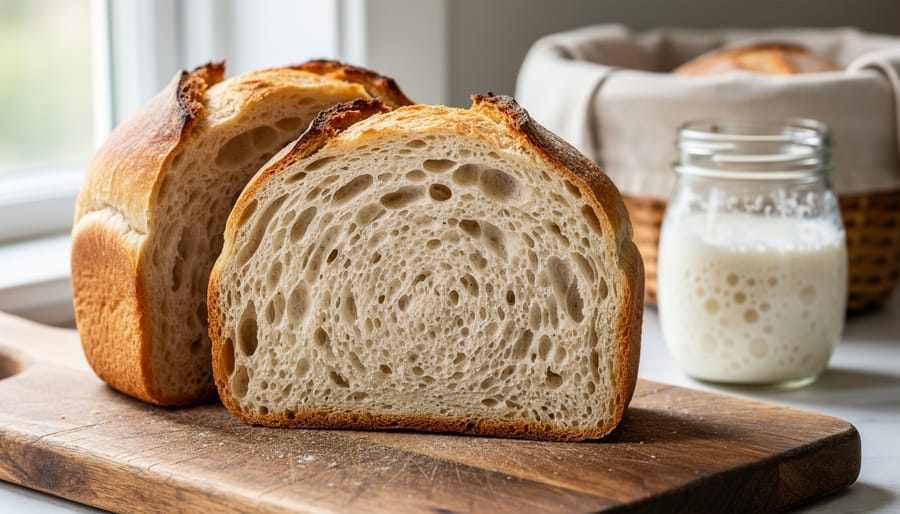
Soft sourdough sandwich bread transforms tangy, naturally fermented dough into tender, everyday loaves perfect for lunches, toast, and family sandwiches. By adding enrichments like butter, milk, or oil, reducing fermentation time slightly, and baking in a covered pan, you create a pillowy crumb that stays fresh longer than crusty artisan boules. The result? Sourdough that actually gets eaten slice by slice, rather than turning rock-hard on the counter after two days.
This shift matters for Canadian home bakers who’ve embraced sourdough culture but struggle with practicality. Traditional open-crumb loaves look stunning on Instagram, but they’re terrible for peanut butter and jam. Kids complain about the crust. Partners leave half-eaten slices behind. When your beautiful boule becomes bird food by Thursday, food waste harms the planet just as much as forgetting last week’s produce.
Soft sourdough solves this disconnect. You keep the gut-friendly fermentation and complex flavor your starter provides, but the texture finally matches how most households actually eat bread. The loaf slices cleanly, toasts evenly, and holds sandwich fillings without shredding or soaking through.
This guide walks through the specific techniques that deliver consistent softness: ingredient ratios, dough handling, and pan choices that work whether you’re using an active starter or discard. You’ll learn why enriched doughs behave differently, how to troubleshoot common issues, and which shortcuts save time without sacrificing flavor.
What Makes Soft Sourdough Different From Traditional Sourdough
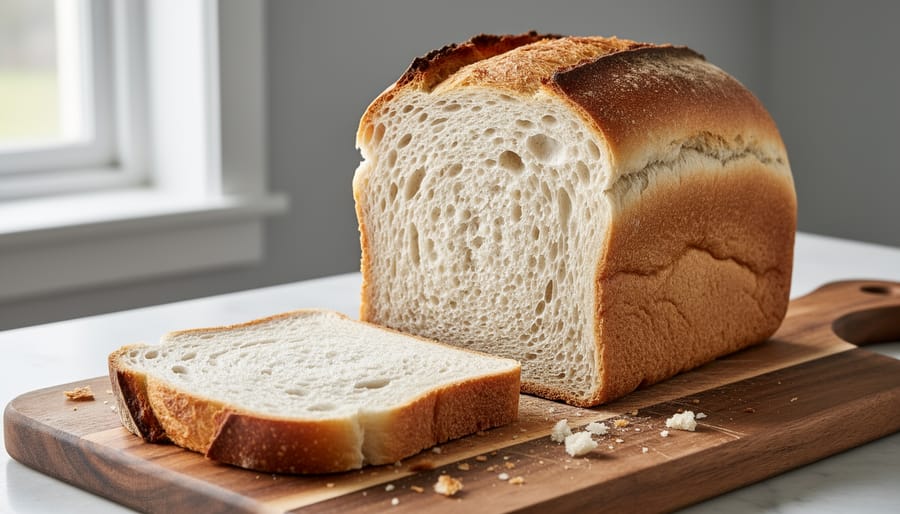
The real difference between traditional sourdough and soft sandwich sourdough isn’t about authenticity, it’s about purpose. Traditional artisan loaves are built for crusty exteriors and open, irregular crumbs that showcase fermentation. Soft sourdough sandwich bread takes the same live-culture foundation but adapts the formula and technique to create something your family will actually use every day.
The shift starts with enrichments. While classic sourdough relies on just flour, water, salt, and starter, sandwich versions incorporate milk (or buttermilk), butter or oil, and a touch of honey or sugar. These additions tenderize the crumb by coating gluten strands and adding fat, which keeps the bread moist longer. You’re not masking the sourdough character, you’re extending its shelf life and making it slice cleanly without crumbling.
Hydration levels drop too. Traditional loaves often run 75-80% hydration for those dramatic air pockets, but soft sandwich bread works better at 60-65%. Lower moisture creates a tighter, more uniform crumb that holds sandwich fillings without tearing. The fermentation process stays the same, you’re still developing that complex flavour and better digestibility, but the structure serves a different function.
| Characteristic | Traditional Sourdough | Soft Sandwich Sourdough |
|---|---|---|
| Crust Texture | Thick, crispy, crackling | Thin, soft, tender |
| Shelf Life | Best day-of, stales quickly | Stays fresh 5-7 days |
| Slice-ability | Irregular, tears easily | Even slices, sandwich-ready |
| Typical Uses | Dipping, tearing, showcasing | Daily sandwiches, toast, lunch boxes |
Baking methods shift accordingly. Instead of a Dutch oven or steam injection for maximum crust development, you’ll use a covered loaf pan that traps moisture and produces an all-around soft texture. This isn’t compromising, it’s choosing the right tool for the job you need done, which in this case means bread that gets eaten rather than going stale on the counter.
The Waste-Reduction Case for Soft Sourdough Sandwich Bread
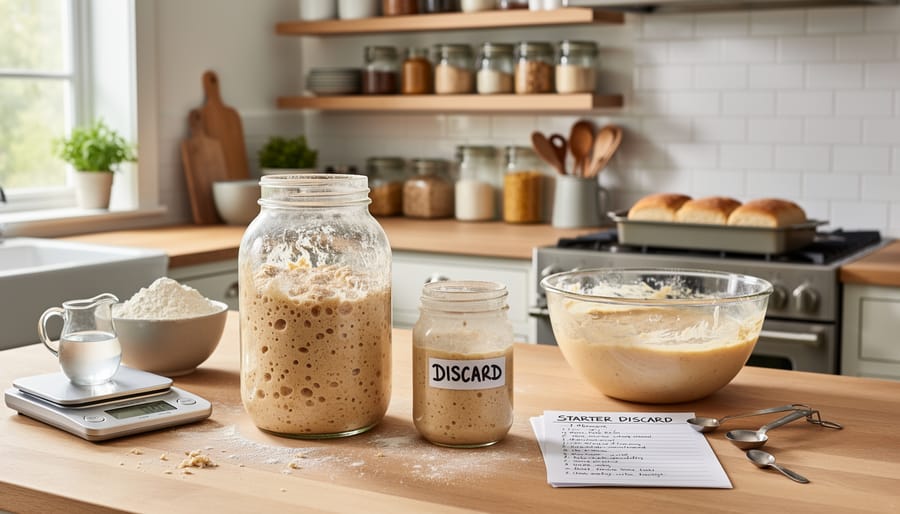
Making bread at home only makes sense if you actually eat it. That reality drives the waste-reduction advantage of soft sourdough sandwich bread over its artisan cousin. Traditional crusty sourdough often sits on the counter, admired for a day, then hardens into a doorstop that nobody wants to eat. Soft sandwich sourdough gets sliced for lunches, toasted for breakfast, and finished before it has a chance to stale.
The difference matters in Canadian kitchens. When bread fits into daily routines rather than special occasions, it doesn’t end up in the compost. Families making soft sourdough for sandwiches report using entire loaves within days, whereas artisan loaves frequently lose half their volume to staleness. This practical consumption pattern helps save food from wasting by aligning what you bake with what you’ll genuinely use.
Packaging reduction adds another layer. Store-bought sandwich bread arrives wrapped in plastic that goes straight to landfill. Baking at home eliminates that waste entirely. A single homemade loaf prevents one plastic bag from the waste stream, and over a year, that adds up to dozens of bags avoided.
The discard question also shifts. Many sourdough bakers struggle with disposing of starter discard during feeding schedules. Soft sandwich bread uses more starter per loaf than lean artisan versions, which means your regular baking absorbs discard productively rather than creating a secondary waste problem.
Shelf life works in your favour too. The milk, oil, or butter that creates softness also keeps the crumb moist longer than lean doughs. Soft sourdough stays fresh at room temperature for four to five days and freezes beautifully for months. Slice before freezing, and you can pull out just what you need for tomorrow’s lunch without thawing an entire loaf. That flexibility prevents the “too much bread at once” waste cycle that plagues weekend bakers.
Essential Techniques for Achieving That Soft Texture
Getting sourdough to behave like proper sandwich bread takes a few deliberate moves, but none require fancy gear or professional training. The difference between a crusty artisan loaf and a soft, sliceable sandwich bread comes down to how you manage moisture, fat, and structure, all things you can control in a regular home kitchen.
Start with enrichments. Adding fats like butter or oil to your dough changes everything. These ingredients coat the gluten strands and keep moisture locked in, which translates to a tender crumb that stays soft for days. Whole milk works similarly, contributing both fat and sugars that soften the texture. If you’re comfortable with it, an egg adds richness and creates an even more pillowy interior. You don’t need much, two tablespoons of butter and a quarter cup of milk per loaf makes a noticeable difference without drowning out the sourdough tang.
The tangzhong method deserves attention here. This technique involves cooking a small portion of your flour with water or milk until it forms a thick paste, then mixing it into your dough. The cooked flour absorbs far more liquid than raw flour can, which keeps the finished bread moist and extends its shelf life. For sandwich bread, this is one of those baking tips that genuinely delivers without adding complexity.
Here are the core techniques that create softness:
- Use the tangzhong method to increase moisture retention
- Add butter, oil, or milk to coat gluten and tenderize the crumb
- Bake in a covered loaf pan to trap steam and prevent a thick crust
- Brush the top with melted butter immediately after baking
- Control fermentation time to avoid overly sour, dense results
Knead your dough properly. Soft sandwich bread needs well-developed gluten, which means kneading until the dough is smooth and elastic, usually eight to ten minutes by hand or five in a stand mixer. This creates the structure that holds all that moisture and enrichment without turning gummy.
Bake in a standard loaf pan with the lid on for the first half of baking. This traps steam and prevents the crust from hardening. Remove the lid for the final fifteen minutes to let the top brown lightly. When the loaf comes out, brush it with butter while it’s still hot. That final step softens any crust that formed and adds flavour.
Watch your fermentation timing. Over-fermented dough develops too much acidity and can collapse, giving you dense, sour bread. For sandwich bread, you want a gentle rise, often shorter than traditional sourdough, so the flavour stays mild and the texture stays light.
Making Your Sourdough Starter Work Harder
Your sourdough starter can do more than just leaven bread. With the right approach, it becomes a reliable tool that fits your schedule and prevents waste while producing consistently soft sandwich loaves.
Feed your starter on a schedule that matches your baking rhythm rather than following arbitrary daily feedings. If you bake weekly, keep your starter in the fridge and feed it 12 to 24 hours before you need it. This cold storage slows fermentation, reduces discard, and means you’re not maintaining a starter that sits unused. For sandwich bread, you want a mild flavour, so don’t let your starter get overly sour. A well-fed starter that’s doubled in size and slightly bubbly (but not collapsed) gives you the gentle tang that works in everyday sandwiches.
Canadian homes face temperature swings that affect fermentation speed. In winter, your starter might take 12 hours to double at room temperature, while summer heat could cut that to six hours. Place your jar near (not on) a warm appliance during cold months, or use your oven with just the light on. In summer, feed with cooler water to slow things down if your kitchen regularly hits 24°C or higher. Temperature consistency matters more than hitting an exact number.
Don’t throw away discard. When you feed your starter, the portion you remove can add fermented foods to your routine by going into pancakes, crackers, or quick breads. Keep a jar in the fridge labeled “discard” and use it within a week. This approach stretches your flour further and ensures nothing gets wasted while you maintain the active starter you need for your next soft sourdough loaf.
Troubleshooting Common Soft Sourdough Challenges
Dense bread is almost always a timing issue. If your loaf feels heavy and compact, you probably under-fermented the dough or didn’t give it enough time for the final rise. Check your starter’s activity before mixing, it should double within four to six hours of feeding and have a bubbly, domed surface. In a cool Canadian home during winter, bulk fermentation might take ten to twelve hours instead of the typical six to eight. Watch the dough, not the clock: it should increase by 50-75% and feel airy when you gently press it.
Why does my soft sourdough taste too tangy for sandwiches?
Reduce bulk fermentation time by an hour or two, and use your starter at peak rise rather than when it’s fallen and super-acidic. A slightly less mature starter produces milder bread.
How do I fix a crust that’s still too thick?
Brush the loaf with melted butter immediately after baking and cover it with a clean tea towel while it cools. This traps steam and softens the crust.
What if my dough isn’t rising properly?
Check that your starter is genuinely active, increase your room temperature by a few degrees, or extend fermentation time. Cold ingredients straight from the fridge will slow everything down.
Can I salvage dough that’s over-fermented?
If it hasn’t collapsed completely, shape it gently and bake it immediately. The texture won’t be perfect, but you’ll avoid wasting the batch entirely.
When your crust stays hard despite enrichments, you’re likely baking at too high a temperature or leaving the loaf uncovered too long. Drop your oven to 350°F and keep the pan covered for the first 30 minutes. Temperature matters more than you’d think: most sandwich loaves prefer a gentler bake than crusty artisan rounds. If problems persist, keep notes on each batch, ambient temperature, fermentation times, how active your starter looked. Patterns emerge quickly, and you’ll waste fewer ingredients once you identify what’s actually going wrong in your kitchen.
Soft sourdough sandwich bread isn’t about abandoning tradition. It’s about making sourdough work for the way you actually live and eat. When your family reaches for homemade bread day after day instead of letting crusty loaves go stale on the counter, you’re doing something right.
This approach proves that sustainable baking doesn’t require perfection or rigid adherence to artisan standards. It requires bread that gets eaten. Every slice that becomes a weekday lunch instead of compost is a small victory for your kitchen and the planet.
Start simple. Try enriching your next loaf with a bit of milk or honey. Bake it in a pan. See how your household responds when the bread is actually soft enough for their morning toast. You might find that this practical adaptation does more for waste reduction than any crusty boule ever could.
The best sustainable practice is the one you’ll stick with. If that means your sourdough is a little softer and a lot more useful, you’re not doing it wrong. You’re doing it smarter.