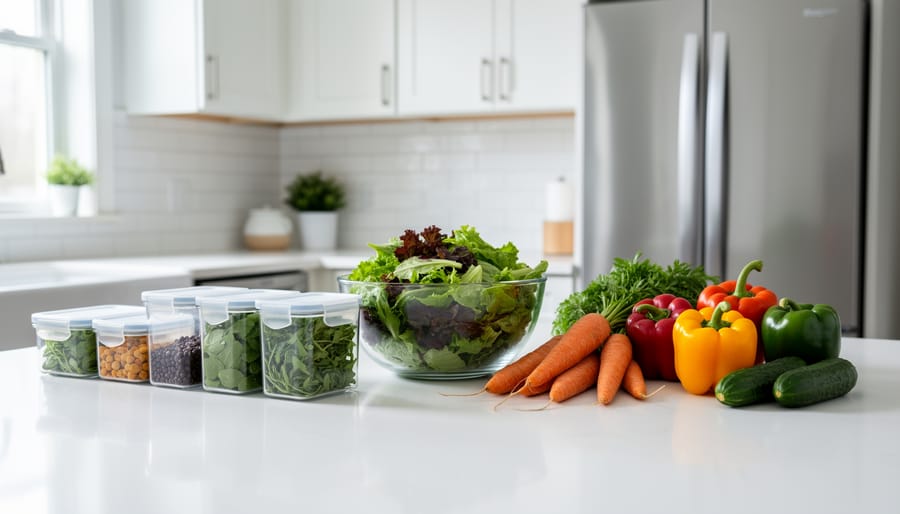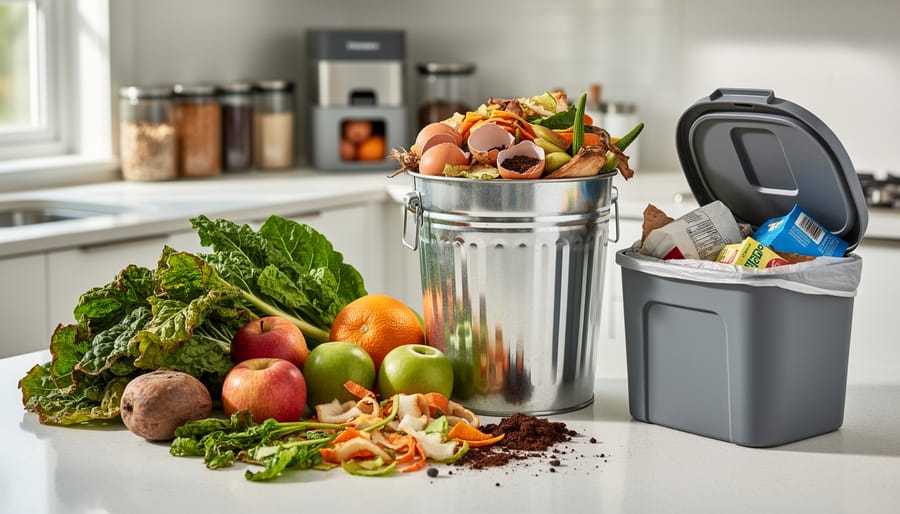
Wasting food harms the planet in eight major ways: it generates methane emissions in landfills, wastes the water and energy used in production, accelerates deforestation, pollutes waterways, squanders agricultural land, intensifies climate change, depletes soil health, and drives unnecessary packaging waste. Each time you toss out a wilted salad or forgotten leftovers, you’re not just discarding food. You’re throwing away all the resources that went into growing, processing, packaging, and transporting it. In Canada, we waste nearly 2.3 million tonnes of edible food every year, and the environmental toll extends far beyond overflowing garbage bins. The good news? Understanding these specific impacts makes it easier to change habits that matter. Whether you’re meal planning for your family, running a restaurant, or simply trying to lighten your environmental footprint, knowing exactly how food waste damages ecosystems gives you the motivation to act. This guide breaks down each environmental consequence and pairs it with practical steps you can take today to reduce waste in your own kitchen.
Why These Environmental Impacts Matter Most
We chose these eight environmental harms because they represent the most substantial and well-documented consequences of food waste, and because you can directly reduce them through everyday choices. While food waste affects the environment in dozens of ways, these impacts stand out for their scale, their scientific backing, and their connection to actions Canadians can take right now in their own kitchens.
Each impact on this list meets three criteria: it’s supported by peer-reviewed research, it represents a significant environmental threat rather than a minor effect, and it connects to practical waste-reduction strategies you can implement without specialized equipment or expertise. We prioritized impacts where the cause-and-effect relationship is clear and where reducing your food waste creates direct environmental relief, from cutting methane emissions to protecting freshwater supplies. The goal isn’t to overwhelm you with every possible consequence, but to show you the most important environmental reasons to save food from the bin and to give you concrete ways to help.
1. Greenhouse Gas Emissions from Landfills
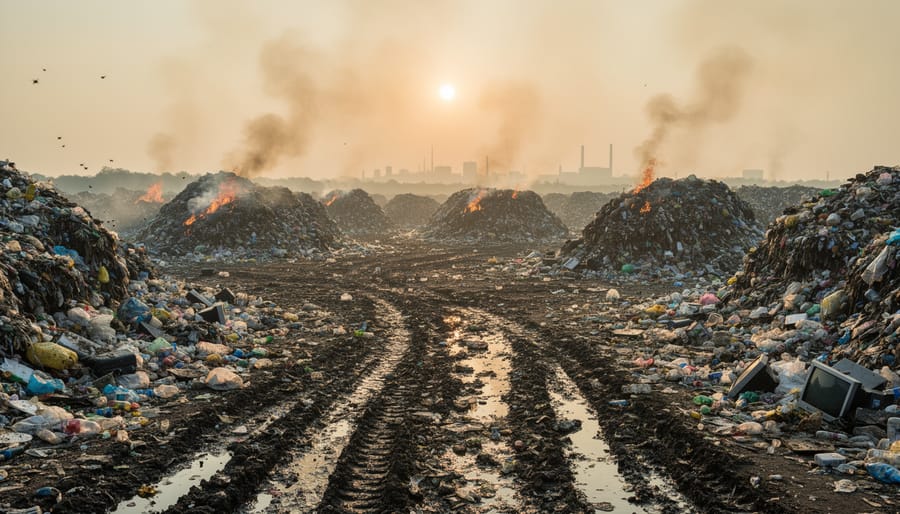
When food scraps hit the landfill, they don’t just decompose harmlessly into soil like they would in your backyard compost bin. Instead, they’re buried under layers of other garbage where oxygen can’t reach them. This oxygen-starved environment forces organic matter to break down through anaerobic decomposition, a process that produces methane gas.
Here’s why that matters: methane traps about 28 times more heat in the atmosphere than carbon dioxide over a 100-year period. According to Environment and Climate Change Canada, landfills are responsible for roughly 20% of Canada’s total methane emissions, and food waste is a major contributor to that figure. Every banana peel, leftover casserole, and forgotten bag of salad greens you toss generates methane as it rots underground.
The scale is staggering. Canadians throw away approximately 2.3 million tonnes of edible food annually, and much of it ends up decomposing in landfills. That’s the climate equivalent of adding millions of cars to our roads each year. Unlike carbon dioxide, which persists for centuries, methane has a shorter atmospheric lifespan but packs an immediate punch to our warming planet.
The good news? You have direct control over this impact. Setting up a compost system, whether it’s a backyard bin, a municipal green bin program, or even a countertop vermicomposter, allows food scraps to break down aerobically with minimal methane production. Even better, improving your meal planning and learning how to save food from wasting keeps those scraps from being created in the first place. When you store food properly and use what you buy, you’re directly cutting the methane your household would otherwise generate.
2. Wasted Water Resources

Every bite of food you throw away carries with it thousands of litres of invisible water. Growing a single kilogram of beef requires about 15,000 litres of freshwater, while a kilogram of wheat needs roughly 1,500 litres. When that steak or loaf of bread ends up in your garbage, all that water goes to waste too.
Agriculture accounts for approximately 70% of global freshwater use, making it the largest consumer of this finite resource. In Canada, where we’re fortunate to have abundant water supplies, it’s easy to forget that many regions worldwide face severe water stress. The food Canadians waste each year represents roughly 2.2 billion cubic metres of water, enough to fill nearly 900,000 Olympic swimming pools.
The water footprint of food waste extends beyond irrigation. Processing facilities use massive amounts of water to clean, cool, and package products. Transportation and retail operations add more water consumption through refrigeration systems and store operations. When you toss out that wilted lettuce or forgotten yogurt, you’re discarding the entire chain of water investment that brought it to your table.
Consider this: a tomato needs about 13 litres of water to grow. If you regularly buy tomatoes that go soft before you use them, you’re flushing those 13 litres down the drain with each one.
Simple ways to respect the water in your food: Plan meals around what you already have before shopping. Store produce properly to extend its life, keep leafy greens in breathable bags, tomatoes at room temperature until ripe, and herbs in water like cut flowers. Use vegetable scraps for stock instead of tossing them. These small habits honour the enormous water investment in every ingredient.
3. Unnecessary Agricultural Land Use
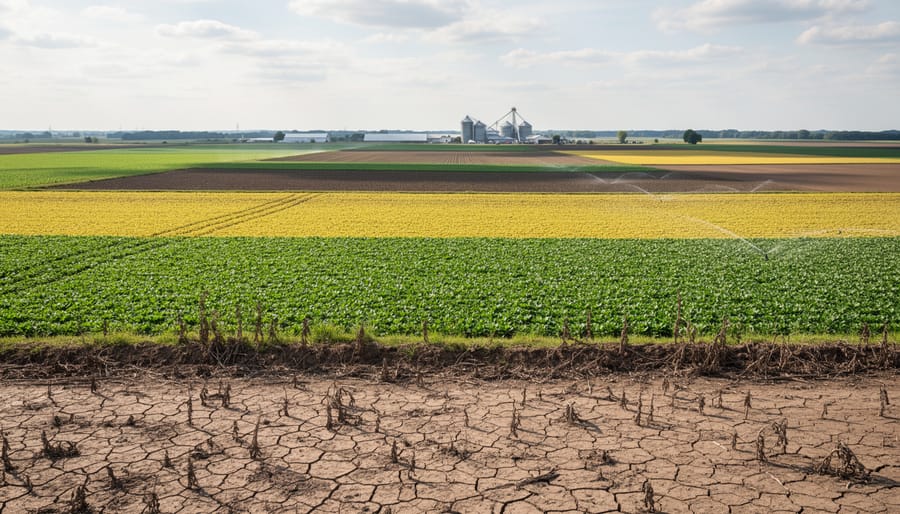
When food ends up in the trash, we’re not just wasting what’s on the plate, we’re wasting all the land used to grow it in the first place. Globally, about 1.4 billion hectares of agricultural land (an area larger than Canada itself) produces food that never gets eaten. That’s roughly 28% of the world’s farmland dedicated to crops and livestock that ultimately go to waste.
This misuse of land carries serious environmental consequences. Every hectare cleared for agriculture is land taken from forests, wetlands, grasslands, and other natural ecosystems that support wildlife. When we throw out food, we’re essentially saying that habitat destruction was pointless, the biodiversity lost, the carbon-storing trees cut down, and the ecosystem services eliminated served no purpose because nobody ate the food anyway.
In Canada, agricultural expansion has already converted millions of hectares of prairie and forest. While not all of this is for wasted food, reducing what we throw out would ease the pressure to clear more land. Native species that depend on these habitats, from pollinators to ground-nesting birds, lose their homes when natural areas become farmland.
The solution starts with buying only what you’ll actually use. Plan your meals for the week before shopping, and check what’s already in your fridge and pantry. Store perishables using practical food storage methods to extend their life. When you do this, you’re not just saving money, you’re reducing demand for agricultural expansion and helping protect the ecosystems that would otherwise be converted to farmland. Every meal planned is a small vote for keeping natural habitats intact.
4. Energy Waste Throughout the Food Chain
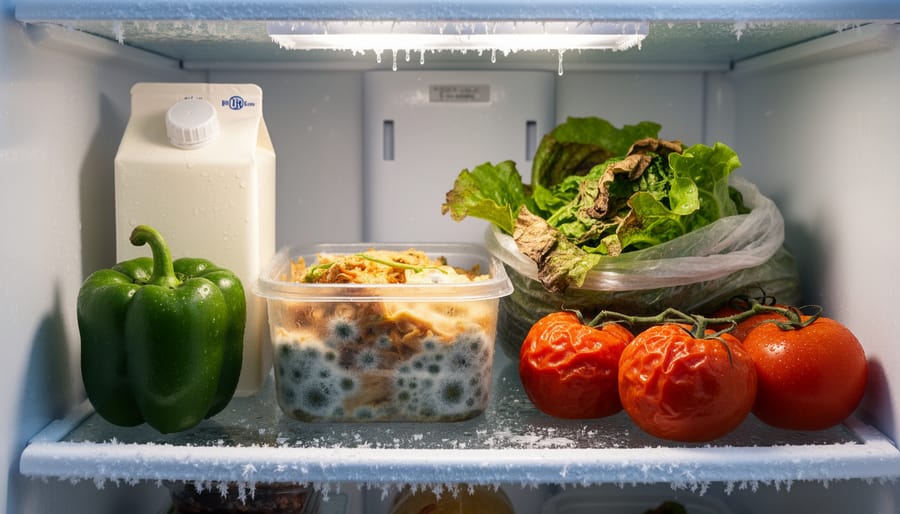
Every bite of food carries an invisible energy trail. Before anything reaches your plate, it passes through a chain of energy-intensive steps: tractors run on diesel to plant and harvest, processing facilities draw massive amounts of electricity, refrigerated trucks burn fuel across thousands of kilometres, and grocery stores keep coolers running 24/7. When you toss that wilted lettuce or forgotten leftovers, all that energy goes to waste too.
In Canada, our food system accounts for roughly 10% of national energy consumption. Wasted food represents about 2% of our total energy use, the equivalent of powering 2.4 million homes for a year. That’s energy burned for nothing, contributing to greenhouse gas emissions without feeding a single person.
The refrigeration piece alone is staggering. Cold storage facilities and transport require constant power to maintain temperatures. When food spoils in your fridge because you forgot about it, you’ve doubled down on waste: energy to keep it cold at the store, more energy to keep it cold at home, then it rots anyway.
Here’s how to make that energy investment count. Store vegetables in the crisper drawer where humidity stays higher, they’ll last days longer. Keep your fridge at 4°C or below and your freezer at -18°C; slightly warmer settings speed up spoilage. Freeze bread, herbs in olive oil, and ripe bananas before they turn. Move older items to the front so you use them first. Date your leftovers with masking tape. These small habits extend food life, which means every joule of energy used to produce, transport and store that food actually nourishes someone instead of heating up a landfill.
5. Chemical Fertilizers and Pesticides in the Environment
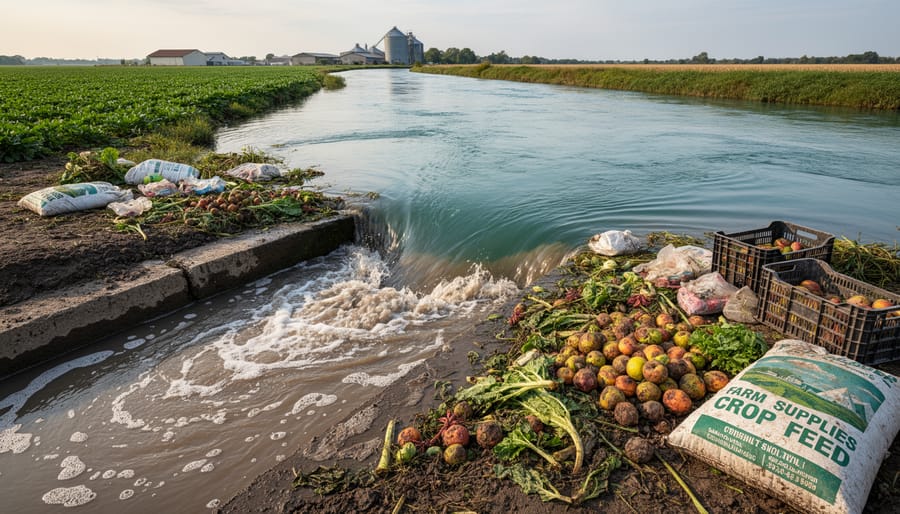
Every piece of food we throw away carries invisible baggage: the chemical fertilizers and pesticides applied during farming. When that food ends up in the trash, those chemicals were released into the environment for nothing. Agriculture accounts for roughly 50% of synthetic nitrogen fertilizer use globally, and a significant portion supports crops that never get eaten.
Here’s why this matters. Fertilizer runoff doesn’t stay on the farm. Rain and irrigation wash excess nitrogen and phosphorus into streams, rivers, and eventually lakes and oceans. These nutrients fuel algae blooms that choke waterways, block sunlight, and create toxic conditions for fish and other aquatic life. Pesticides follow a similar path, contaminating drinking water sources and harming beneficial insects, birds, and soil organisms that keep ecosystems healthy.
The scale is staggering. If Canadian households reduced their food waste by just 20%, we’d eliminate the environmental impact of chemicals used to grow roughly 800,000 tonnes of food annually. That’s fertilizer and pesticides that didn’t need to pollute groundwater, harm pollinators, or degrade soil quality.
You have direct power here. Buy only what you’ll realistically use within the week. Store vegetables properly so they last their full lifespan instead of wilting in three days. When you do buy, choose organic or sustainably grown options when possible, they use fewer synthetic chemicals, so even if some waste happens, the environmental load is lighter.
Support farmers’ markets and Community Supported Agriculture programs where you can buy exactly the quantity you need. These systems create accountability: when you pick up your weekly box, you’re more likely to plan meals around what’s actually there rather than letting grocery store impulse purchases rot in the crisper.
6. Deforestation and Habitat Destruction
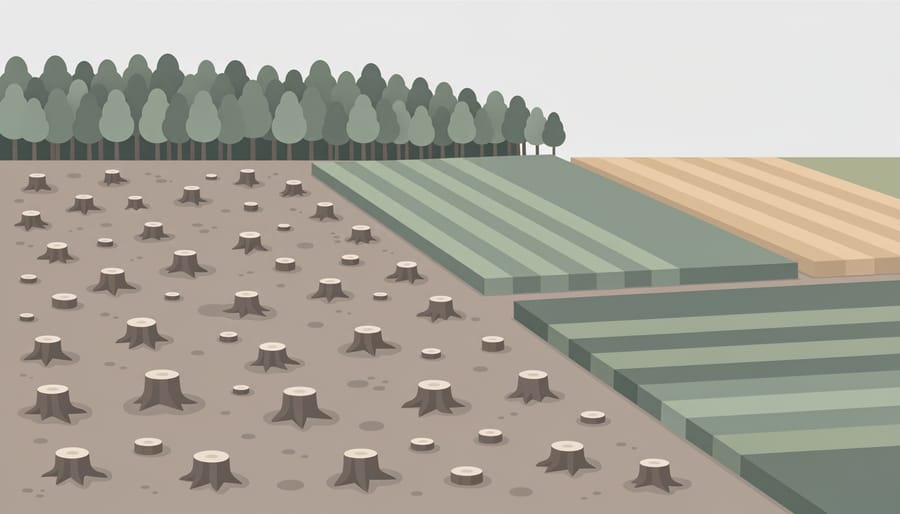
Every time we waste food, we’re contributing to a cycle that pushes agriculture to expand into forests and wild spaces. Here’s how it works: global food production needs to meet projected demand, but roughly one-third of all food produced never gets eaten. To compensate for this waste and still feed growing populations, farmers clear more land. The result? Forests fall, particularly in tropical regions where biodiversity is richest.
The Amazon rainforest, often called the planet’s lungs, loses an area the size of a soccer field every single minute, with cattle ranching and soy farming as leading drivers. Much of that beef and soy enters global supply chains where significant portions eventually go to waste, in grocery stores, restaurants, and our own fridges. When you throw out that steak or tofu stir-fry, you’re connected to that cleared land halfway across the world.
Deforestation doesn’t just remove trees. It destroys entire ecosystems that countless species depend on for survival. Orangutans in Indonesia, jaguars in South America, and thousands of plant species lose their homes as forests become farmland. These habitats took centuries to develop their complex web of life, yet they can disappear in weeks under chainsaws and bulldozers.
The pressure won’t ease until we reduce the waste driving unnecessary production. You can help by planning meals around what you already have, storing produce properly to extend its life, and freezing ingredients before they spoil. When you save food from the bin, you’re reducing the demand signal that tells producers they need more land. Small actions here create ripples that reach those distant forests.
7. Ocean Dead Zones from Agricultural Runoff
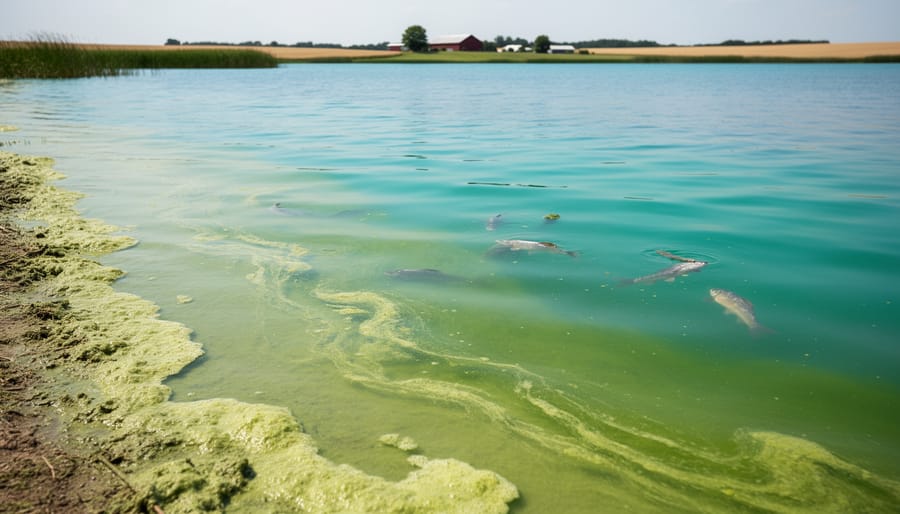
When excess fertilizer from farms washes into rivers, it eventually reaches the ocean carrying nutrients meant for crops we never ate. Those nutrients fuel massive algae blooms that seem harmless at first but create a cascade of damage beneath the surface.
As algae die and decompose, bacteria consume the available oxygen in the water. Fish, crabs, and other marine life suffocate in these oxygen-starved zones, sometimes called hypoxic areas. The Gulf of Mexico hosts one of the world’s largest dead zones, spanning thousands of square kilometres each summer, largely fed by agricultural runoff from the Mississippi River watershed.
Here’s the food waste connection: roughly one-third of crops grown never get eaten. That means a third of the nitrogen and phosphorus fertilizers applied to fields serve no purpose beyond polluting waterways. Canadian lakes, including parts of Lake Erie and Lake Winnipeg, face similar challenges when nutrient-rich runoff from agricultural regions triggers algae growth that kills fish and makes water unsafe.
The problem compounds because farmers often apply fertilizer generously to maximize yields, not knowing how much food will ultimately be wasted. When you throw out lettuce or tomatoes, you’re discarding not just the produce but the environmental damage caused by the chemicals used to grow it.
You can help break this cycle by storing produce properly to extend its life. Keep leafy greens in breathable containers, store herbs in water like flowers, and learn which fruits and vegetables belong in the fridge versus the counter. Planning meals around what you already have prevents overbuying, which means less demand for the fertilizer-intensive crops feeding dead zones. Every vegetable you actually eat justifies the environmental cost of growing it.
8. Lost Biodiversity from Monoculture Farming
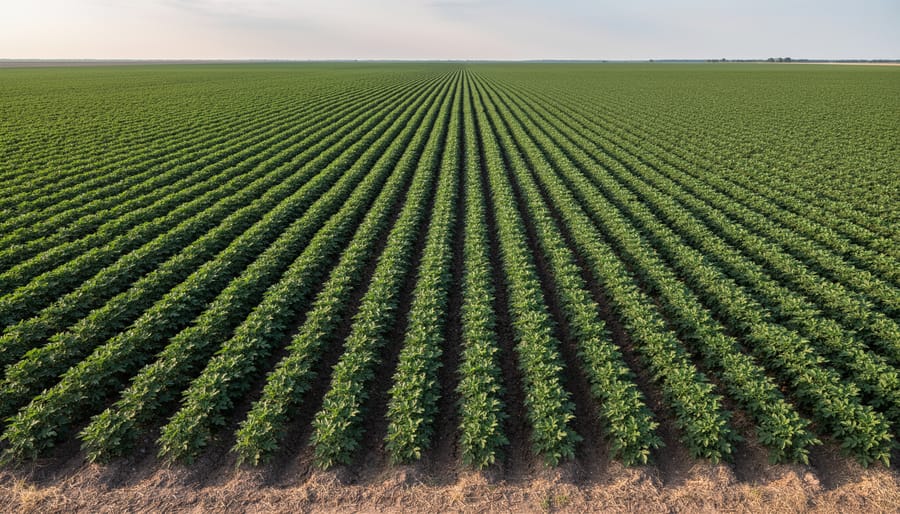
Modern industrial agriculture relies heavily on monoculture farming, growing the same crop on vast tracts of land year after year. This approach maximizes short-term efficiency but comes at a steep environmental cost. When a significant portion of that harvest ends up wasted (roughly 40% globally), we’re destroying biodiversity for food that never gets eaten.
Monoculture systems eliminate the genetic diversity that makes food systems resilient to pests, diseases, and climate change. Instead of hundreds of wheat varieties or dozens of apple types, industrial farms often grow just one or two high-yield varieties optimized for appearance and shelf life rather than nutrition or adaptability. This genetic narrowing leaves our entire food supply vulnerable to catastrophic failures.
The environmental ripple effects extend beyond the crops themselves. Monoculture fields provide poor habitat for pollinators, beneficial insects, and wildlife. The soil microbiome, essential for healthy plant growth and carbon storage, degrades without crop rotation. Native plant species disappear. When we waste food grown this way, we’re perpetuating a system that sacrifices long-term ecosystem health for production volumes we don’t actually need.
You can push back against this cycle by diversifying what you buy and eat. Seek out heritage varieties at farmers’ markets. Choose products from farms practicing crop rotation. Most importantly, use everything you purchase, when you save overripe fruit through creative cooking or learn about baking powder shelf life to reduce pantry waste, you reduce demand for monoculture-grown ingredients. Lower demand for overproduction means less pressure to farm in ways that erase biodiversity.
Key Details to Know
Food waste carries hidden environmental costs that many Canadians don’t realize. Understanding these key facts can help you make more informed choices about the food you buy, store, and use:
- Canadian households waste about 2.2 million tonnes of edible food annually, which equals roughly $1,100 per household thrown away
- If global food waste were a country, it would be the third-largest greenhouse gas emitter after China and the United States
- Producing wasted food uses agricultural land roughly the size of China, or about 1.4 billion hectares globally
- Home refrigerators and freezers account for about 4% of total household energy use, much of which supports food that eventually gets thrown out
- Composting food scraps reduces methane emissions by 50-90% compared to landfill disposal, and many Canadian municipalities now offer green bin programs
- The average Canadian family could reduce their grocery bill by 25% simply by wasting less food through better planning and storage
These numbers reveal both the scale of the problem and the real opportunity for positive change. Small shifts in how you shop, store, and use food can significantly reduce your environmental footprint while saving money. The environmental impacts aren’t abstract future concerns, they’re happening right now, and your daily food choices directly contribute to either the problem or the solution.
Frequently Asked Questions
Does composting really make a difference for the environment?
Yes. Composting diverts organic waste from landfills where it would produce methane, turning it instead into soil amendment that supports plant growth without chemical fertilizers. Even backyard composting or using municipal green bin programs significantly reduces your food waste footprint.
What’s the single most effective way to reduce food waste at home?
Plan your meals before shopping and buy only what you’ll actually use within the week. This simple habit prevents overbuying, which accounts for most household food waste, and saves you money while protecting the environment.
Can I make a real impact as just one person?
Absolutely. The average Canadian household wastes about 140 kilograms of food per year, so your individual choices matter. When combined with others making similar changes, personal action creates measurable shifts in demand, waste streams, and agricultural pressure.
Is it better to buy less food or to eat everything I buy, even if it’s not perfectly fresh?
Eating what you buy is ideal, and most food remains safe and nutritious well past “best before” dates. Use your senses to judge freshness, get creative with leftovers, and adjust future purchases based on what you actually consumed.
These questions address the practical concerns that often stop people from taking action. You don’t need perfect solutions or dramatic lifestyle changes to make a difference. Start with one habit, whether it’s composting your scraps, writing a shopping list, or cooking that wilting vegetable tonight instead of tossing it. Small consistent changes compound over time, both in your own household and across your community.
Your Next Steps to Reduce Food Waste Impact
You don’t need to tackle all eight environmental impacts at once. Pick one or two waste-reduction strategies from this article that fit your life right now, maybe you’ll start composting to cut methane emissions, or you’ll plan meals more carefully to save water and land resources. Every plate of food you save from the bin is water conserved, energy preserved, and greenhouse gases prevented.
Food Back offers free guides, storage tips, and meal-planning tools designed for Canadian households ready to make that change. The environmental stakes are real, but so is your power to make a difference. Start small, stay consistent, and watch how quickly saved food becomes saved ecosystems.