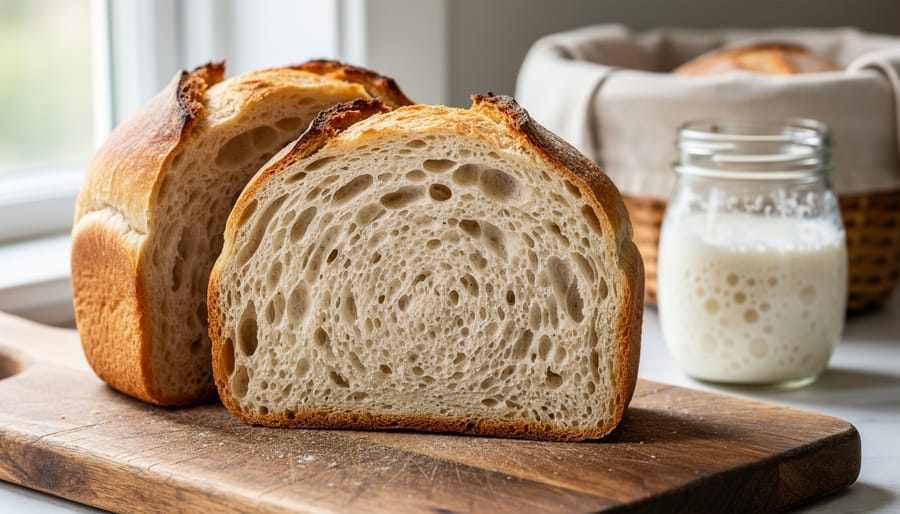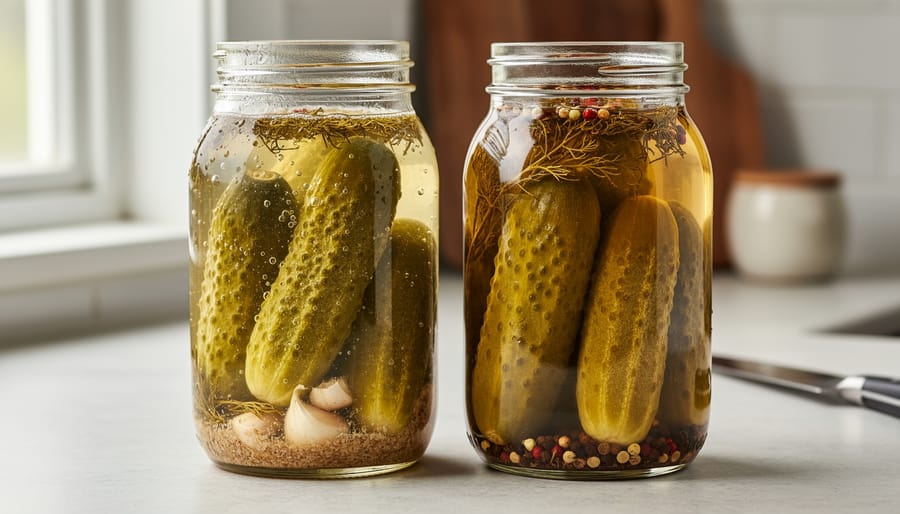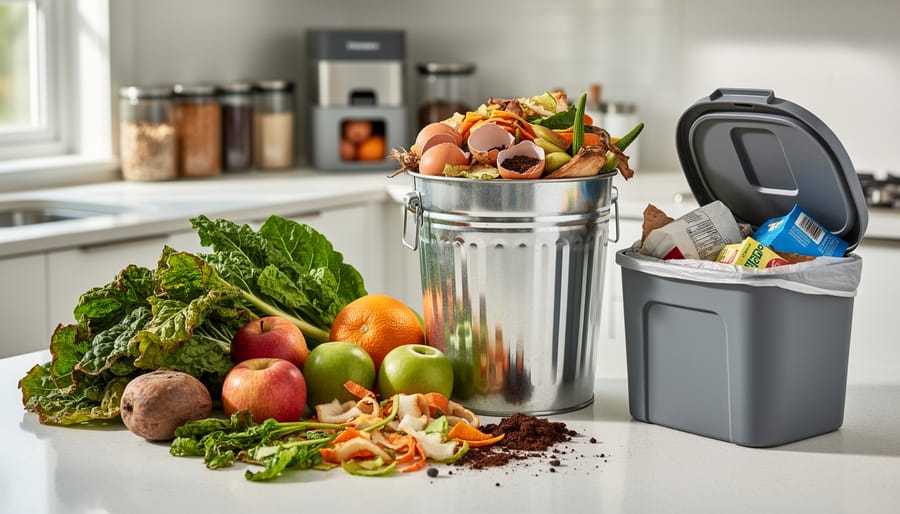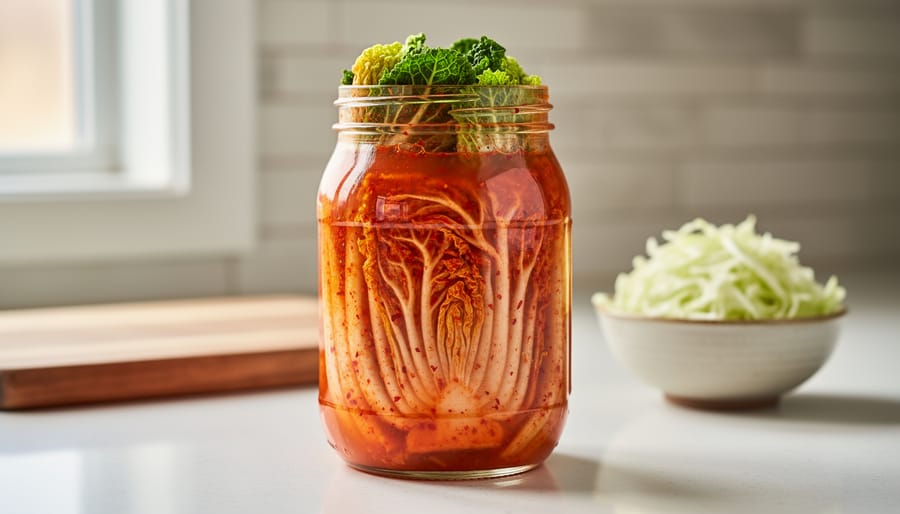
Kimchi transforms vegetable scraps and surplus cabbage into a probiotic powerhouse that can last months in your fridge, making it one of the most practical tools for cutting kitchen waste while embracing a global food trend that’s booming across Canada. This ancient Korean preservation technique tackles the core challenge of how food waste harms the planet by extending the life of fresh produce through natural fermentation, a process that requires nothing more than salt, time, and the right bacteria.
The numbers tell a compelling story. Canada’s kimchi market is growing at 5.7% annually through 2033, reflecting a broader shift toward fermented foods that marry flavour with function. Globally, the kimchi market is projected to reach USD 6.94 billion by 2031, up from USD 5.45 billion in 2026. This isn’t just a passing fad. Events like the Kimchi & K-Food Festival taking place August 28 and 29, 2026 at Coquitlam Town Centre Park demonstrate how deeply this tangy, spicy staple has woven itself into Canadian food culture.
For eco-conscious home cooks, kimchi offers a double win: it rescues vegetables from the compost bin while creating a versatile ingredient that amplifies everything from grain bowls to tacos. The beauty lies in its flexibility. You can ferment wilting napa cabbage, radish tops, or even broccoli stems, turning would-be waste into jars of complex, umami-rich flavour. Understanding how to make, store, and use kimchi completely means less food in landfills and more creativity in your kitchen.
Kimchi’s Built-In Waste-Fighting Superpowers
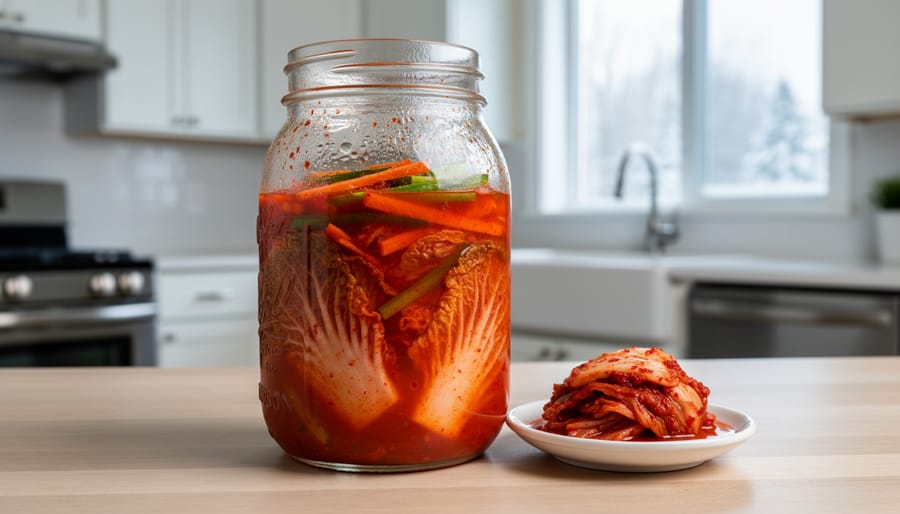
Kimchi isn’t just delicious; it’s a preservation powerhouse that’s been fighting food waste for centuries. At its core, kimchi takes vegetables that might have a week or two of life left and transforms them into something that can last months, all without modern refrigeration.
The magic happens through lacto-fermentation, a natural process where beneficial bacteria convert sugars into lactic acid. This creates an acidic environment that prevents spoilage and actually improves the nutritional profile of the vegetables. Your cabbage doesn’t just survive; it becomes richer in probiotics, vitamins, and bioavailable nutrients. What you’re doing is essentially rescuing produce from the compost bin and turning it into a superfood.
From an environmental standpoint, fermentation beats many other preservation methods hands-down. Unlike canning, which requires significant energy for heating and processing, or freezing, which demands constant electricity, properly fermented kimchi sits happily in a cool spot using zero ongoing energy. The process itself generates minimal waste: no plastic packaging, no fuel for transport to processing facilities, just vegetables, salt, and time.
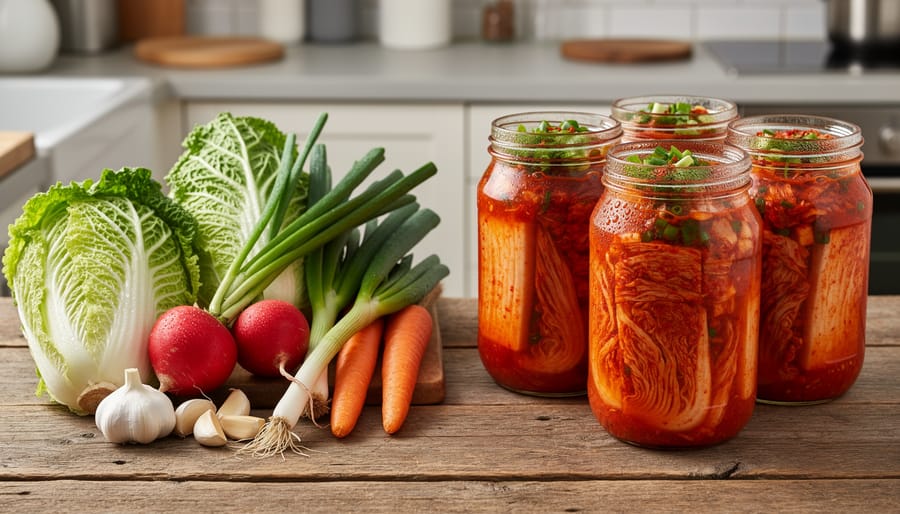
This traditional method shines especially when you’ve got an abundance of seasonal produce. That massive head of napa cabbage from your garden or the farmer’s market? Instead of racing to eat it before it wilts, you can transform it into something that improves with age. Radishes, scallions, carrots, vegetables that often end up languishing in the crisper drawer, all become valuable kimchi ingredients.
The beauty is that kimchi actually gets better as it ferments, so there’s no pressure to consume it quickly. You’re not fighting spoilage; you’re guiding a transformation that makes your food more valuable, more nutritious, and longer-lasting with every passing day.
The Kimchi Boom in Canada: What the Numbers Tell Us
Kimchi isn’t just trendy, it’s experiencing measurable, sustained growth that signals a genuine shift in Canadian eating habits. The Canadian kimchi market is projected to grow at 5.7% annually through 2033, outpacing the global market’s 4.95% growth rate from 2026 to 2031. Globally, kimchi sales are climbing from USD 5.45 billion in 2026 to an estimated USD 6.94 billion by 2031.
| Market | Growth Rate (CAGR) | Timeframe |
|---|---|---|
| Canada | 5.7% | 2026-2033 |
| Global | 4.95% | 2026-2031 |
For Canadian home cooks, this growth means better access to quality kimchi in local grocery stores, more diverse product options, and increasing familiarity with how to use it. The food industry is responding with expanded shelf space and new product development tailored to Canadian tastes. This mainstream adoption makes kimchi more than a niche specialty item, it’s becoming a pantry staple.
The Kimchi & K-Food Festival taking place August 28-29, 2026 at Coquitlam Town Centre Park demonstrates how deeply kimchi has woven itself into Canadian food culture. When a fermented cabbage dish warrants its own two-day festival in British Columbia, you know it’s moved well beyond trend status into lasting culinary fixture. This kind of cultural celebration reflects genuine consumer interest and creates opportunities for Canadians to learn proper handling and storage techniques that prevent waste.
Common Ways Kimchi Gets Wasted (And Simple Fixes)
Even with kimchi’s remarkable shelf life, it’s surprisingly easy to waste this fermented favorite. Most of the time, it’s not spoilage that sends kimchi to the bin, it’s a mismatch between expectations and reality. Here’s what typically goes wrong, and how to fix it.
Buying too much enthusiasm, not enough plan. When you discover kimchi, it’s tempting to stock up. Then that jar sits in the back of the fridge, fermenting past your preferred tanginess into something aggressively sour. The fix: Start small. Buy one jar, learn how quickly your household actually uses it, then adjust. If you’ve already over-purchased, share with friends or freeze portions in small containers. Frozen kimchi works beautifully in cooked dishes, even if the texture changes for raw eating.
Tossing the brine like it’s worthless. That liquid at the bottom of your kimchi jar is packed with probiotics, flavor, and potential. Many Canadians pour it down the sink, not realizing it’s a cooking ingredient. Use kimchi brine to quick-pickle vegetables, add tang to salad dressings, boost the flavor of soups and stews, or marinate tofu and meat. A tablespoon in your next stir-fry sauce adds depth without extra prep.
Declaring kimchi “too sour” and giving up. As kimchi ferments, it becomes tangier and softer. What tastes perfect to one person might seem too intense to another, but that doesn’t mean it’s garbage. Over-fermented kimchi shines in cooked applications. Chop it into fried rice, simmer it in stews, mix it into grilled cheese, or fold it into scrambled eggs. Heat mellows the sharpness and brings out deeper, savory notes. Learning to save food from wasting often means getting creative with ingredients at different stages of their life.
Storing it carelessly. Kimchi needs to be submerged in its brine to prevent mold and drying out. When you take some out, press the remaining kimchi down so it’s covered. Use a clean utensil every time to avoid introducing contaminants. Keep the jar sealed tightly. These small habits extend kimchi’s life by weeks or even months, giving you plenty of time to use every last bite.
Creative Ways to Use Every Bit of Your Kimchi

Your jar of kimchi is more versatile than you might think. Whether it’s crisp and freshly made or pungent and fully fermented, every stage offers different culinary possibilities. Here’s how to make the most of every bit:
- Fresh kimchi (1-3 days old): Use it raw as a crunchy topping for tacos, grain bowls, or loaded baked potatoes. The bright, clean flavor works beautifully alongside Canadian comfort foods like mac and cheese or grilled cheese sandwiches.
- Well-fermented kimchi (1-3 weeks): This is your go-to for kimchi pancakes, stir-fries, and as a pizza topping. The developed tang cuts through rich dishes without overwhelming them. Try mixing it into meatloaf or burger patties for an unexpected flavor boost.
- Very mature kimchi (over a month): When kimchi becomes intensely sour, it’s perfect for cooking. Add it to stews, braises, or slow-cooker dishes where heat mellows the acidity. Chop it finely and stir into fried rice, ramen, or scrambled eggs for instant depth.
- Kimchi brine: Don’t pour that liquid gold down the drain. Use it as a marinade for chicken or pork, mix it into salad dressings, or add a splash to soups for instant umami. You can also use it as a starter culture for your next batch of fermented vegetables.
- Wilted outer leaves: Chop them up and fold into dumpling fillings, quesadillas, or savory muffins. They add moisture and flavor without requiring pristine texture.
The key is matching kimchi’s fermentation stage to your cooking method. Raw applications showcase fresh kimchi’s crunch, while heat transforms older batches into complex, savory additions. Canadian cooks are already folding kimchi into poutine, mixing it into Caesar cocktails, and using the brine to pickle local vegetables. Once you start seeing kimchi as a pantry staple rather than a side dish, the waste practically disappears on its own.
Making Your Own: The Ultimate Waste Reduction Move
Making your own kimchi transforms vegetable rescue into a rewarding kitchen project. Those wilting napa cabbages marked down at the grocery store? Perfect candidates. Radishes losing their crunch? They’ll gain new life through fermentation. When you control the process from start to finish, nothing goes to waste.
Home fermentation lets you adjust everything to your preferences. Start tasting after three days for a mild, crunchy result, or let it develop for two weeks if you want bold, tangy flavour. You decide when it’s ready, which means you’ll actually eat what you make instead of abandoning a jar that fermented past your comfort zone.
Canadian seasons offer natural fermentation opportunities. Late summer brings abundant cabbage and peppers at farmers’ markets. Fall root vegetables like daikon radishes work beautifully. You can even adapt recipes to incorporate local ingredients, rutabaga adds interesting texture, and Ontario-grown garlic packs serious punch.
The waste reduction extends beyond the vegetables themselves. Making kimchi at home means you can use food scraps creatively: carrot peels, green onion roots for regrowing, and outer cabbage leaves all have a place. You’ll eliminate single-use plastic containers and those small commercial jars that never contain quite enough.
Sourcing sustainably matters too. Buy cabbage and produce directly from local farms when possible, choose organic if your budget allows, and consider joining a community garden to grow your own fermentation vegetables. A five-kilogram cabbage yields roughly four litres of kimchi, costs a fraction of store-bought versions, and keeps you in control of every ingredient that goes in.
Kimchi’s surge in popularity across Canada represents more than just a food trend. It’s a practical example of how cultural food traditions naturally align with modern sustainability goals. As the Canadian kimchi market continues its steady 5.7% annual growth, we’re seeing firsthand how fermented foods can reshape our approach to waste reduction.
The beauty of kimchi lies in its dual nature: it’s both a delicious staple and a preservation technique that turns perishable vegetables into shelf-stable nutrition. When you embrace kimchi in your kitchen, you’re adopting a centuries-old method that inherently fights waste at every step, from rescuing cabbage that might otherwise spoil to transforming leftover brine into flavour for your next meal.
This same waste-fighting power extends to other fermented foods that deserve a place in your sustainable cooking repertoire. The skills you develop making and using kimchi, understanding fermentation stages, storing properly, and finding creative applications for every bit, transfer directly to countless preservation techniques.
Start small. Try one new way to use kimchi this week, whether that’s adding over-fermented kimchi to your next grilled cheese or using the brine to quick-pickle carrots. Each small step builds a more sustainable kitchen and connects you to food traditions designed for zero waste from the start.