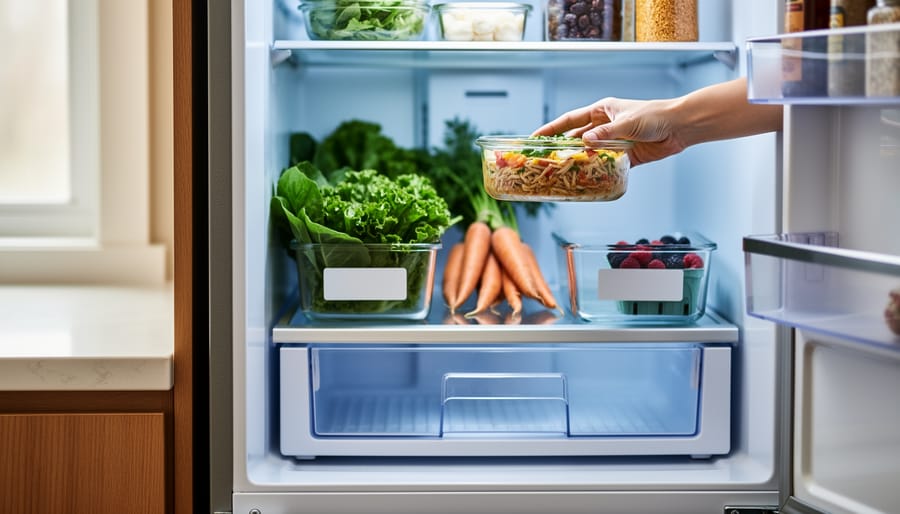
The fastest way to prevent food waste at home is to plan before you shop, store food so it lasts, and use up what you already have before buying more. Most of these habits take minutes, cost nothing, and put real money back in your pocket.
Canadians toss a lot of perfectly good food, and that waste harms the planet through wasted water, energy, and landfill emissions, on top of what it costs your grocery budget. The good news is you don’t need a big lifestyle overhaul to make a dent.
The ten tips below were chosen because they’re simple, low-effort, and work in a typical Canadian kitchen. Think freezer rescues, decoding “best before” dates, green bin habits, and sharing extras with neighbours. Pick one or two that fit your week and start there. Small changes add up faster than you’d expect.
How We Chose These Community-Tested Food Waste Tips
Not every tip made the cut. We looked for ideas that real households already use, the kind neighbours swap over a fence, in a hallway, or at a community fridge. Each one had to work in a Canadian home, whether that’s a small apartment, a shared building, or a house that spends half the year buried in snow.
Every tip on this list meets these standards:
- Easy to start this week, with no special gear.
- Saves money on groceries.
- Works in any size kitchen, big or tiny.
- Respects different food traditions and family favourites.
- Makes a real dent in what ends up in the bin.
You won’t find complicated systems or tips that need a big budget. These are small, friendly habits you can fit into the week you already have. Take what suits your kitchen and leave the rest. There’s no wrong way to start.
10 Practical Ways Neighbours Are Cutting Down on Food Waste
1. Plan Meals Around What You Already Have, Cut Impulse Buys
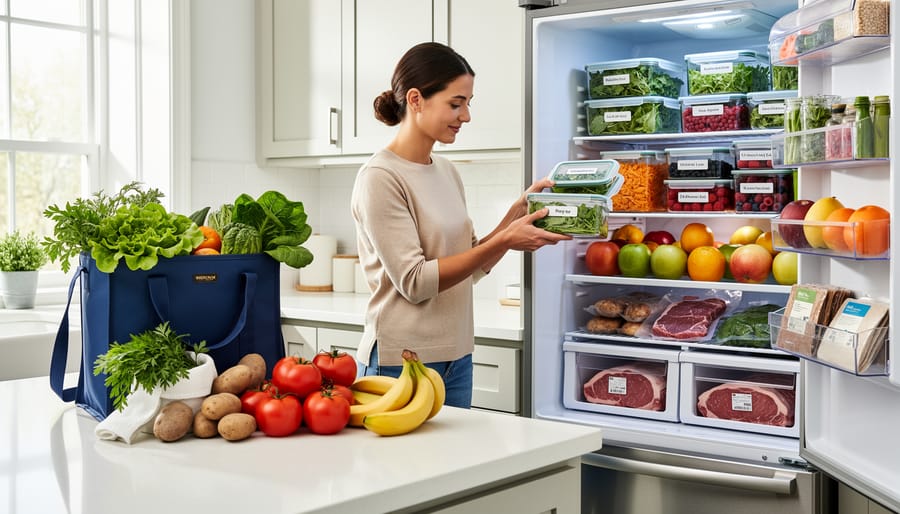
Before you write a grocery list, take five minutes to scan your fridge, freezer, and pantry. You’ll often find half a bag of spinach, a lonely can of chickpeas, and some frozen chicken that all want to be dinner. Pick two or three meals built around those items first, then shop only for what’s missing.
This simple habit does double duty. You stop buying duplicates of things you already own, and the food you do have gets eaten instead of tossed. Neighbours who try it often notice a smaller grocery total within a few weeks. For more practical Canadian tips on stretching what’s in your kitchen, there’s plenty to explore. Start with one “use it up” meal this week and see how it feels.
2. Shop With a List and a Realistic Week Ahead
A grocery list works best when it matches the week you’re actually going to have, not the one you imagine. Before you shop, glance at the calendar. Is there a hockey tournament on Thursday? A dinner at a friend’s place on Saturday? Those are meals you won’t be cooking, so skip the ingredients for them.
Count your leftover nights too, since last night’s chili can cover tomorrow’s lunch. Then write down only what fills the real gaps.
For fresh produce like leafy greens, berries, and herbs, try smaller, more frequent trips. A quick stop midweek means you buy what you’ll eat in the next few days, and less of it ends up wilting in the crisper.
3. Store Produce the Smart Way to Keep It Fresher Longer
Good storage buys you days, sometimes weeks, with the same groceries. Wrap leafy greens in a dry paper towel and keep them in a container or bag in the crisper. Stand fresh herbs like parsley and cilantro in a jar of water in the fridge, loosely covered, the way you would a bouquet. Berries last longer if you keep them dry and unwashed until you’re ready to eat them.
Potatoes and onions belong in a cool, dark, dry spot, like a pantry or cupboard, but not side by side. Potatoes give off moisture and can make onions spoil faster. Apples keep best in the fridge, where they stay crisp for weeks.
Give each item its own space, and you’ll toss a lot less.
4. Use the Freezer as Your Food Waste Safety Net
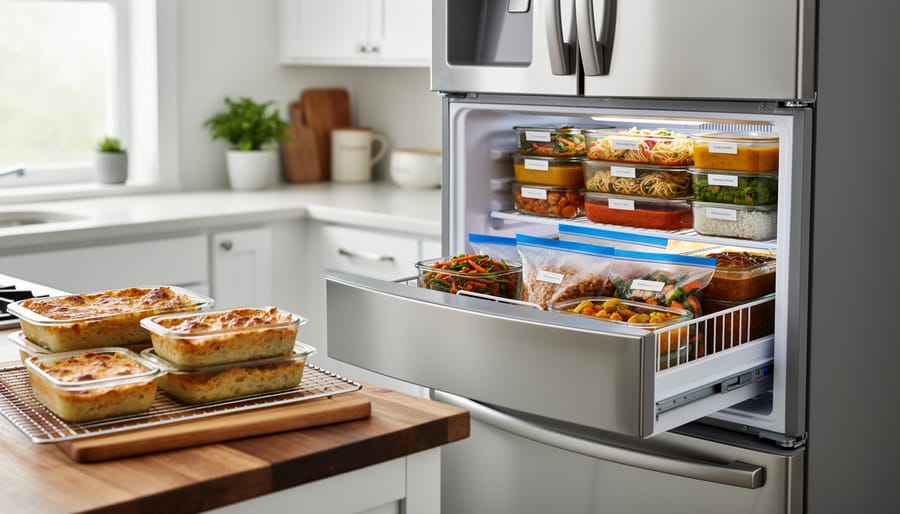
Your freezer is a pause button for food that’s about to turn. Slice bread before freezing so you can toast a piece at a time. Peel overripe bananas, break them up, and bag them for smoothies or banana bread later. Cooked rice, soups, and chili freeze well too, so stash the extras instead of eating the same dish four days running.
Freeze in meal-sized portions, whatever you’d actually serve in one sitting. That way you thaw only what you need, not a giant block. Label each bag or container with the item and the date; a piece of masking tape and a marker does the job. One neighbour keeps a “use me first” bag at the front of the freezer, and it empties fast.
5. Learn the Difference Between ‘Best Before’ Dates and Spoiled Food
Here’s the good news: a “best before” date isn’t an expiry date. In Canada, it tells you how long unopened food should keep its peak freshness, flavour, and texture. After that date, the food may be a little less crunchy or tasty, but it’s often still perfectly fine to eat. In fact, best before is not safety so don’t toss that yogurt or box of crackers just because the date has passed.
Trust your senses. Look for mould, check for off smells, and notice any strange texture. If it looks and smells fine, it likely is. Stay cautious with anything that smells sour or looks slimy, and with foods that are past a “use by” date.
6. Rescue Wilting Veggies and Stale Bread With Easy Recipes
Limp carrots, soft celery, and a heel of stale bread are not trash. They’re ingredients waiting for a second job.
Wilting veggies work well in a “clean-out-the-crisper” soup. Sauté an onion, add whatever vegetables you have, cover with broth or water, and simmer until tender. Blend it for a smooth soup, or toss the same veggies into a stir-fry with garlic and soy sauce, or into a curry or frittata. The method stays the same across cuisines. Only the spices change.
Stale bread becomes croutons or breadcrumbs in minutes. Cube it, toss with oil and seasoning, and bake until crisp. Overripe bananas go into smoothies or banana bread, and soft berries blend in just as well.
7. Cook Once, Eat Twice With Smart Leftover Planning
Cooking once and eating twice is one of the easiest ways to keep good food out of the bin. When you’re already making a big batch of something, plan its second life before the first meal is even on the table.
Say you roast a chicken on Sunday. Pull the leftover meat for Tuesday’s tacos or sandwiches, and simmer the bones into stock. A pot of chili or a big tray of roasted vegetables works the same way, stretching into lunches, quesadillas, or a topping for rice bowls.
Try a weekly “leftover night” too. Set everything out, let everyone pick what they want, and the fridge gets a reset before the next grocery run.
8. Share Extra Food Through Neighbours, Community Fridges, and Food Sharing Apps
Got a bumper crop of zucchini or half a loaf you won’t finish? Someone nearby can probably use it. Swapping surplus garden produce over the fence is one of the oldest ways to keep good food moving, and it still works beautifully.
Community fridges and pantries, local sharing groups, and neighbourhood food-sharing apps make it even easier. You post what you have, someone picks it up, and nothing heads to the bin. It also builds a friendlier street.
Try offering extras to the people next door, or drop a note in your building’s lobby or group chat. Take a few minutes to look up what’s available in your own community, since options vary a lot from town to town.
9. Compost What You Can’t Eat, and Give Scraps a Second Life First
Before anything goes into the green bin, ask whether it can still do some work. Onion ends, carrot peels, celery tops, and herb stems can be saved in a freezer bag and simmered into homemade stock once the bag is full. It’s free flavour from things you’d otherwise toss.
Whatever’s left, like coffee grounds, apple cores, and banana peels, can be composted. Many Canadian municipalities offer green bin programs, and backyard composting works well if you have the space. Composting keeps scraps out of the landfill, which matters for the environment impact of food waste. Just remember it’s the last step, after you’ve reduced, reused, and shared.
10. Track What You Toss to Spot Your Own Waste Patterns

Here’s a simple way to see where your own food waste comes from: for one or two weeks, jot down whatever ends up in the bin. Stick a note to the fridge or keep a quick list in your phone’s notes app. Write down the item and why it went, like “half a bag of spinach, bought too much” or “leftover rice, forgot about it.”
There’s no guilt here, just curiosity. After a week or two, patterns show up fast. Maybe it’s always the bread, or the herbs, or the produce you bought with big plans on Sunday. Once you spot your habit, adjusting your list is easy.
Pick one repeat offender and tackle it this week.
Common Questions About Preventing Food Waste at Home
Wondering where to start? These are the questions neighbours ask most often, and each answer points back to the tips above.
Is it safe to eat food past its ‘best before’ date?
Often, yes. A ‘best before’ date is about quality, not safety, so use your eyes, nose, and common sense (see tip 5). If something smells off, looks slimy, or has mould, let it go.
What’s the easiest first step for beginners?
Check your fridge, freezer, and pantry before you shop, then plan a couple of meals around what you already have (tip 1). It takes five minutes and helps you stop buying doubles.
How can apartment dwellers compost?
Start by keeping veggie scraps for homemade stock, then use your municipal green bin program or a shared building bin if one is available (tip 9). If your city doesn’t offer curbside pickup, a small countertop collection bin plus a nearby drop-off point can work well.
What can I do with food I can’t use in time?
Freeze it before it spoils (tip 4), turn wilting veggies into soup or stir-fry (tip 6), or share it with a neighbour or community fridge (tip 8). Compost whatever is left.
Not sure how much you’re throwing out right now? Try tip 10 for a week or two. Jotting down what ends up in the bin is a no-guilt way to see your own patterns, and it makes every other tip easier to choose. If you’d like to keep going once these habits feel natural, here are more ways to help cut waste in your kitchen.
Final Takeaway: Small Habits, Big Community Impact
Preventing food waste doesn’t take a big overhaul. It comes down to small, repeatable habits, like planning around what’s already in your fridge, freezing extras before they turn, and passing along food you won’t get to. When neighbours share what works, those habits spread, and the savings and the impact grow right along with them.
You don’t need to try all ten tips at once. Pick one or two that feel easy, maybe tracking what you toss or giving leftovers a second night, and start this week. Once you’ve got a rhythm, tell a friend, a neighbour, or someone at the next family dinner. Small changes add up fast when a whole community is making them together.