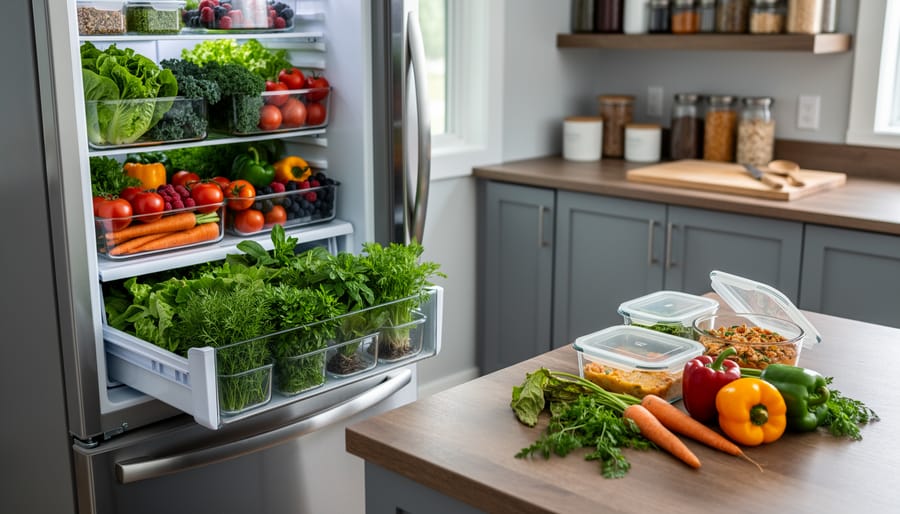
You can save food from wasting by addressing the five places most Canadians lose groceries: fridge chaos, overstocked cupboards, misunderstood expiry dates, forgotten leftovers, and produce that wilts before you use it. The ten strategies in this guide target each of these weak points with simple changes to storage, shopping, and meal prep that work in real kitchens, not test labs.
Most household food waste happens quietly. A forgotten cucumber liquefies in the crisper. Thursday’s pasta disappears behind a wall of takeout containers. Bread stales because you bought two loaves on sale but froze neither. These aren’t moral failures. They’re system failures, and food waste harms the planet while emptying your wallet at an average of $1,300 per Canadian household each year.
The methods below don’t require specialty equipment, meal-prep Sundays, or a degree in food science. You’ll find quick fixes like the fridge-first rule, preservation techniques your grandmother knew, and one clever trick with herb stems that keeps greens fresh for weeks. Each approach solves a specific problem, so you can start with whichever waste point hits hardest in your home.
How We Chose These Food-Saving Strategies
We built this list around three non-negotiables: strategies had to work in real Canadian kitchens without special equipment, target the foods we actually throw out most often, and deliver results you can see within weeks. That meant skipping complex preservation methods and zero-waste hacks that require lifestyle overhauls most people won’t sustain.
Our selection drew on insights from food industry partners who see waste patterns daily and research from the National Zero Waste Council, which tracks what Canadian households discard. The data consistently points to the same trouble spots: fresh produce bought with good intentions but forgotten in crisper drawers, leftovers pushed to the back of the fridge, and bread that goes stale before the loaf is finished. These ten methods address those exact pain points with approaches that cost little or nothing and fit into routines you already have. We prioritized variety so you can pick what matches your cooking style, whether that’s meal planning, smart storage, or creative repurposing.
1. Master the Fridge Layout to Keep Produce Fresh Longer
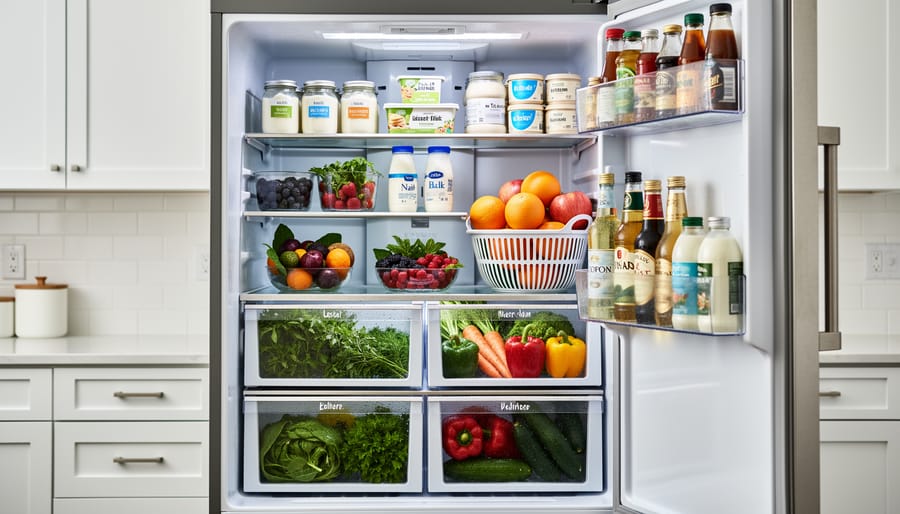
Your fridge isn’t just cold storage, it’s a series of microclimates, and putting food in the right zone can add days or even weeks to its life. Most produce wilts early because it’s sitting in the wrong spot.
Start with the crisper drawers. These are designed for vegetables and some fruits, with adjustable humidity controls. High humidity (closed vent) suits leafy greens, broccoli, and carrots, anything that wilts. Low humidity (open vent) works better for apples, pears, and citrus, which need airflow to prevent mold.
Upper shelves stay coldest and most consistent, making them ideal for dairy, eggs, and ready-to-eat items. The door is the warmest zone despite all those egg holders, reserve it for condiments, jams, and other shelf-stable items that tolerate temperature swings.
Here’s the game-changer: separate ethylene producers. Apples, avocados, and tomatoes release ethylene gas that speeds ripening in nearby produce. Store them apart from ethylene-sensitive items like lettuce, peppers, and berries, or you’ll watch your greens yellow overnight.
A quick fridge audit and reshuffle takes five minutes but can cut produce waste dramatically. You’re not buying better food, you’re just storing it smarter.
2. Freeze Before It’s Too Late
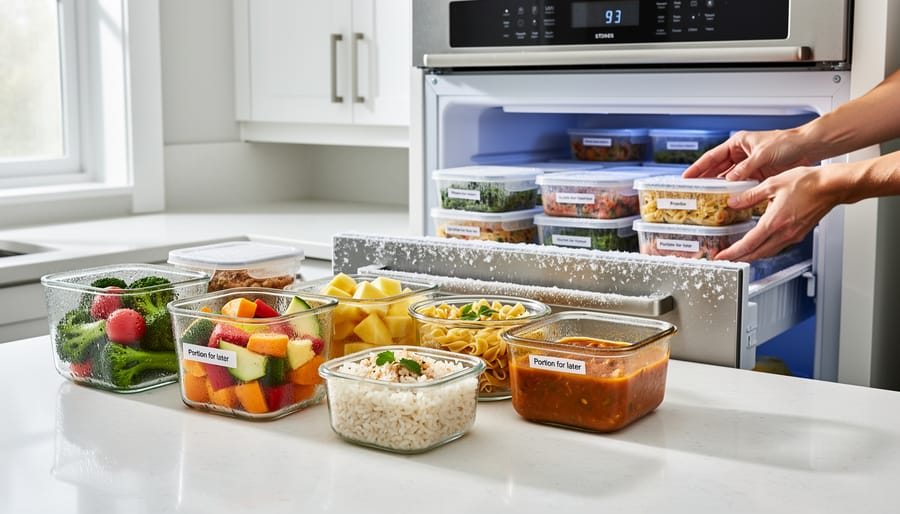
Freezing is your kitchen time machine. When produce hits peak ripeness or you’ve cooked more than you can eat in a few days, the freezer pauses the clock. Most Canadians underuse this tool, tossing perfectly good food because they don’t realize how well it preserves.
These everyday items freeze beautifully with minimal effort:
- Bread and baked goods, slice first, then freeze in the original bag; toast straight from frozen
- Fresh herbs, chop and pack into ice cube trays with olive oil; pop out cubes as needed for cooking
- Ripe bananas, peel and freeze whole in a container; perfect for smoothies or banana bread later
- Cooked rice and grains, cool completely, portion into freezer bags, flatten for quick thawing
- Soups and stews, leave headspace in containers for expansion; label with contents and date
- Grated cheese, freezes in clumps but melts perfectly in recipes
The key is proper prep. Portion everything before freezing so you thaw only what you need. Use freezer bags or airtight containers to prevent freezer burn, and always label with the date and contents. A permanent marker takes five seconds and saves the guessing game later.
Let’s kill the myth: freezing doesn’t ruin food quality. Texture might change slightly in high-water items like cucumber, but flavour and nutrition stay intact. Frozen homemade soup tastes just as good three months later. That’s not settling for less, it’s planning ahead.
3. Embrace ‘Eat Me First’ Bins
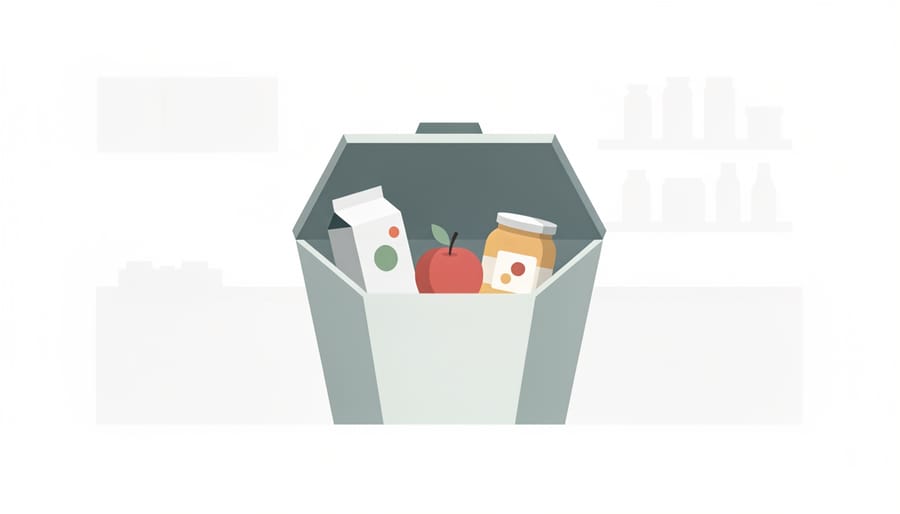
A simple visual system can dramatically cut the “out of sight, out of mind” waste that plagues most fridges. Designate one bin, basket, or clear shelf as your “Eat Me First” zone. Move anything approaching its prime here: wilting greens, softening tomatoes, yogurt nearing its best-before date, that half lemon from Tuesday’s recipe. The physical act of corralling these items creates urgency and keeps them visible every time you open the door.
Clear containers work best because you can see the contents without rummaging. Label the bin if it helps household members recognize the system, but the placement itself does most of the heavy lifting. When you’re hungry and scanning for a snack, you’ll naturally reach for what’s front and center.
Pair this with a weekly “use-it-up” meal night, typically the evening before your grocery run. Challenge yourself to build dinner entirely from the Eat Me First bin and other odds and ends. Stir-fries, frittatas, grain bowls, and soups excel at absorbing random vegetables and proteins. You’ll save overripe fruit by blending it into smoothies or baking it into muffins the same night. This routine transforms potential waste into a creative cooking game rather than a guilt trip.
4. Turn Scraps into Stock and Broth
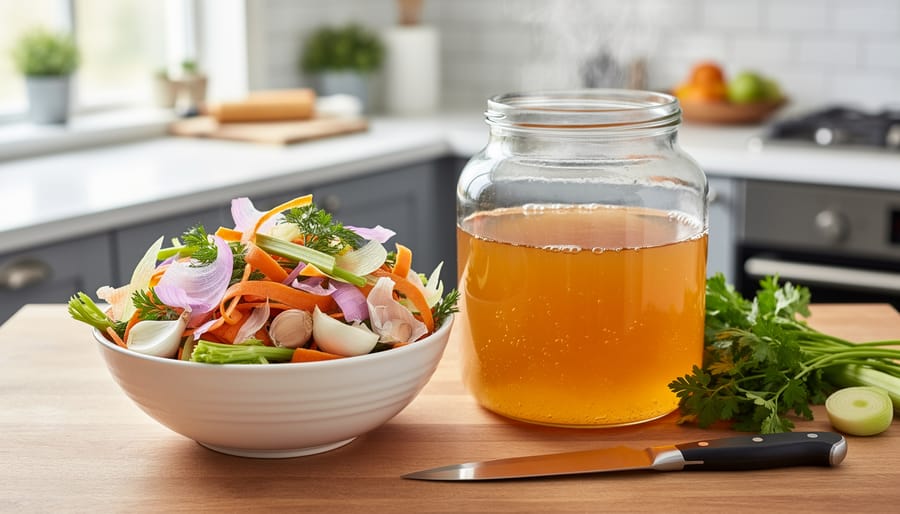
Vegetable peels, onion skins, carrot tops, celery leaves, and chicken bones aren’t garbage, they’re the foundation of rich, flavourful stock that costs you nothing. Instead of tossing these scraps, tuck them into a freezer bag throughout the week. When the bag’s full, you’ve got everything you need for a pot of homemade broth.
The method couldn’t be simpler. Keep a gallon freezer bag in your freezer and add clean scraps as you cook: onion ends, garlic skins, mushroom stems, parsley stalks, even the bones from a rotisserie chicken. Avoid bitter greens like kale stems or anything mouldy. Once the bag is packed, dump the contents into a large pot, cover with water, add a splash of vinegar to extract minerals, and simmer for one to two hours. Strain, cool, and portion the stock into jars or ice-cube trays for the freezer.
This transforms what most Canadian households throw out, roughly 20 percent of vegetable trimmings, into a versatile cooking base. You’ll save money on store-bought stock and add depth to soups, risottos, and braises. It’s waste reduction that actually tastes better than the alternative.
5. Plan Meals Around What You Already Have
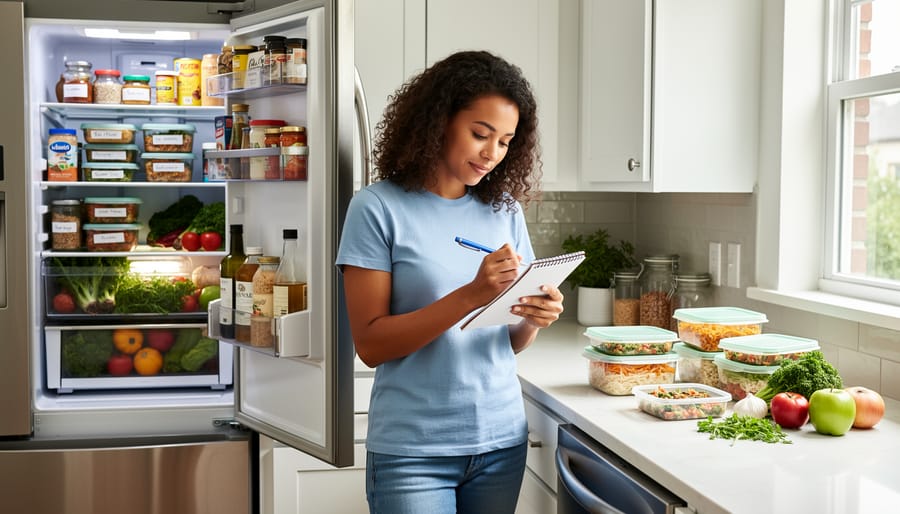
Before you grab your shopping list, open your fridge and pantry. This simple habit, knowing what you already have, is one of the most effective ways to cut food waste and trim your grocery bill.
Most of us shop on autopilot, buying what looks good or what’s on sale, then arrive home to discover we already have three jars of tomato sauce or a head of broccoli wilting in the crisper. Building meals around existing ingredients flips the script: you use what’s already paid for, nothing gets forgotten, and your shopping list becomes a targeted fill-in rather than a guessing game.
Here’s a quick three-step routine that takes less than ten minutes. First, scan your fridge, freezer, and pantry once a week, Sunday works for many, and jot down items that need using soon. Second, plan two or three meals around those ingredients. If you have half a bag of spinach and some feta, that’s a frittata or pasta; leftover rice and mixed vegetables become fried rice. Third, write your shopping list based only on what’s missing to complete those meals, plus staples you’re truly out of.
This approach doesn’t require rigid meal prep or advanced cooking skills. You’re simply eating through what’s there before it spoils, and your wallet thanks you as much as the planet does.
6. Store Herbs Like Fresh Flowers
Fresh herbs shouldn’t wilt into a sad, slimy mess two days after you bring them home. With the right storage, that bunch of cilantro can stay perky for two weeks or more.
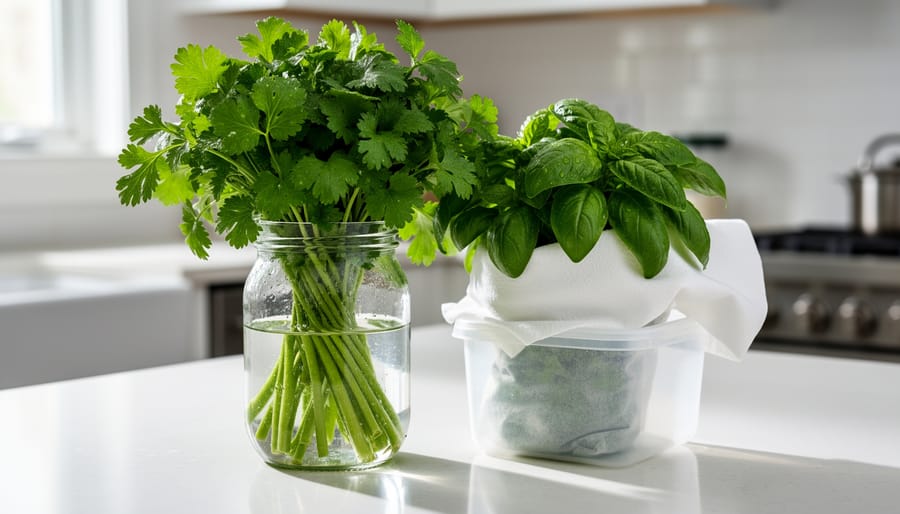
Soft herbs need water. Treat parsley, cilantro, basil, and dill like a bouquet. Trim the stem ends, place them in a glass with an inch of water, and loosely tent with a plastic bag. Keep them on the counter (basil) or in the fridge (everything else). Change the water every few days. This simple shift turns a three-day countdown into a two-week supply.
Hardy herbs prefer humidity. Thyme, rosemary, sage, and oregano have woody stems and don’t need standing water. Instead, wrap them loosely in a slightly damp paper towel, tuck into a partially open plastic bag or container, and refrigerate. The moisture prevents drying without creating the swampy conditions that cause rot.
Both methods cost nothing and take seconds. You’ll stop finding forgotten herb slime in your crisper drawer, and you’ll actually use what you buy. While you’re organizing your pantry staples, check baking powder freshness too, proper storage extends shelf life across the board. Fresh herbs become a reliable ingredient, not a guilt purchase.
7. Repurpose Stale Bread Instead of Tossing It
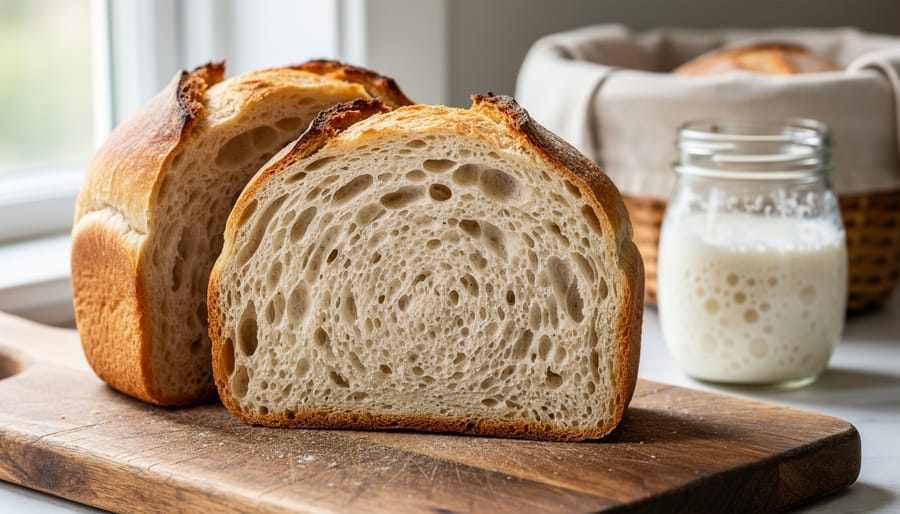
Stale bread isn’t a failure, it’s an ingredient waiting to happen. Canadians throw away roughly 30% of the bread they buy, but day-old loaves have plenty of culinary life left.
Start with the simplest fix: revive slightly stale bread by spritzing it lightly with water and warming it in a 350°F oven for five minutes. The moisture steams through while the crust crisps up, making yesterday’s baguette taste fresh again.
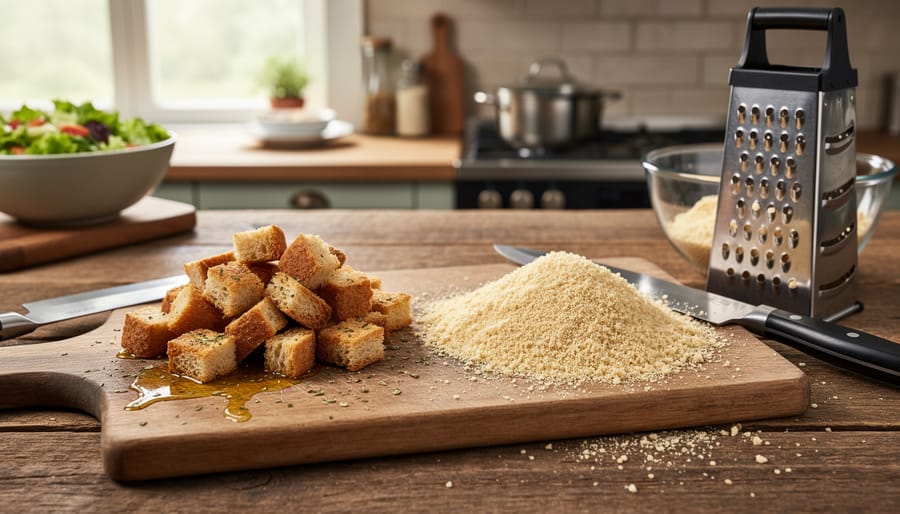
For truly hardened bread, pivot to recipes that actually benefit from dryness. Tear chunks into a food processor for breadcrumbs, they’ll keep in the freezer for months and beat store-bought versions for flavour. Cube bread for homemade croutons: toss with olive oil and garlic, then bake until golden. Stale slices make exceptional French toast because they soak up custard without falling apart.
Try panzanella salad in summer, where stale bread cubes absorb tomato juices and vinaigrette beautifully. In colder months, bread pudding transforms leftovers into comfort food, any bread works, from sourdough to cinnamon raisin.
The key shift is viewing stale bread as a pantry staple rather than garbage. It’s drier, firmer, and more absorbent than fresh bread, which makes it ideal for dozens of dishes that fresh loaves can’t handle as well.
8. Understand ‘Best Before’ vs. ‘Use By’ Dates
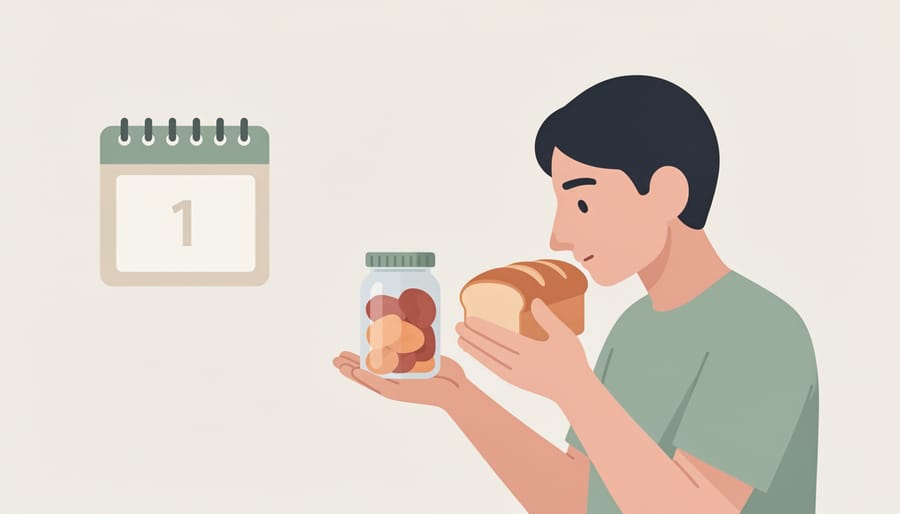
Misreading date labels sends perfectly good food to the trash every day. In Canada, “best before” dates indicate when a product will be at peak quality, freshness, taste, texture, but they’re not safety deadlines. That yogurt container a few days past its date? Likely still fine if it smells normal and shows no mold. The confusion costs Canadian households hundreds of dollars annually in discarded food that’s entirely safe to eat.
“Use by” dates, which do relate to safety, are rare in Canada and typically appear only on meal replacements or certain supplements. For almost everything in your fridge, dairy, eggs, deli meats, condiments, trust your senses over the calendar. Milk smells sour? Toss it. Bread shows mold? Gone. But if that cheese looks and smells fine a week past its date, it’s almost certainly safe.
Can I eat yogurt past its best-before date?
Yes, if it smells fresh and shows no mold or separation beyond normal whey. Yogurt often stays good for 1-2 weeks past the date when stored properly at 4°C or below.
How do I know if eggs are still good?
Place them in a bowl of water: fresh eggs sink and lay flat, while older but safe eggs stand upright. Floating eggs have gone bad and should be discarded.
What about meat past the best-before date?
Raw meat requires caution, cook or freeze it by the date. Cooked meat can last a day or two beyond if it smells normal and has been refrigerated continuously.
This shift from date-obsessed to sense-driven decision-making prevents waste without risking health. Check the product’s appearance, give it a sniff, and ask whether it looks like food you’d want to eat. That simple assessment keeps edible items in rotation and builds confidence in your judgment over arbitrary printed dates.
9. Pickle and Preserve Surplus Produce
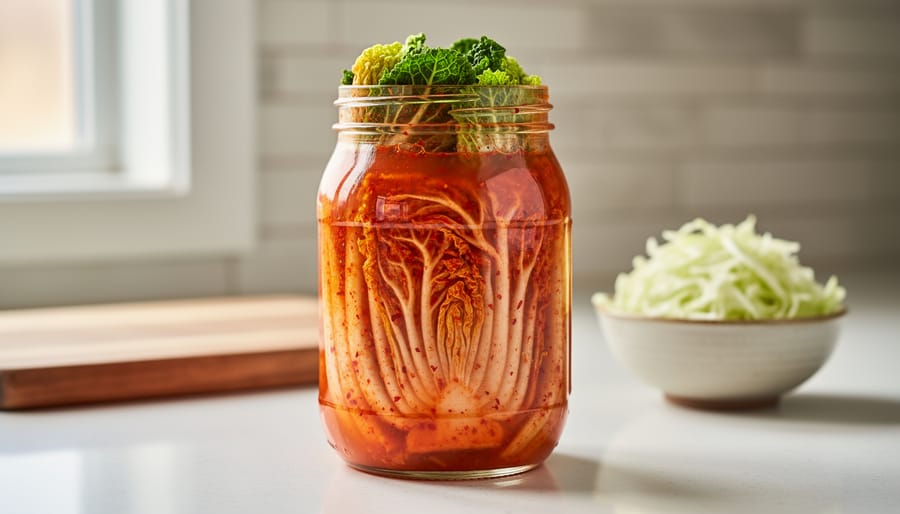
When your garden erupts with cucumbers or the farmers’ market tempts you with flats of strawberries, quick pickling and simple preserves turn abundance into pantry staples, no canning expertise required. Unlike traditional preservation, which demands specialized equipment and afternoon-long sterilization rituals, these methods work with what’s already in your kitchen.
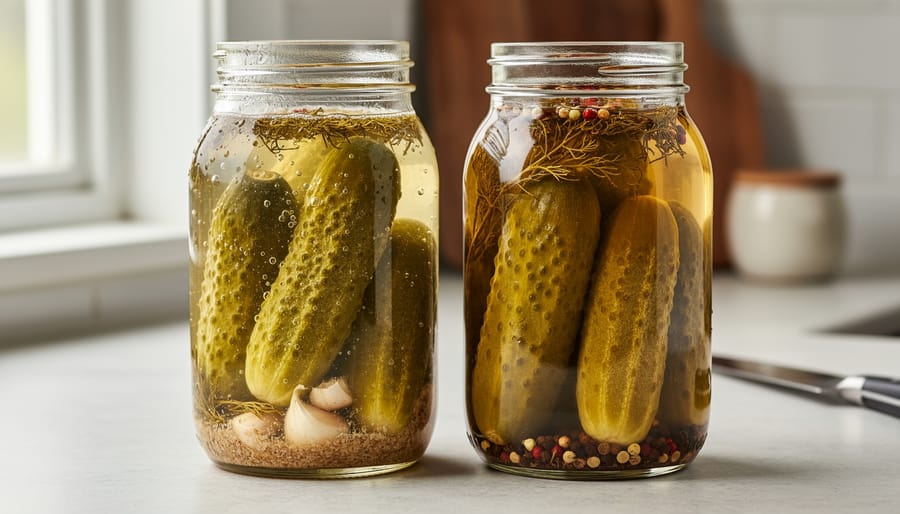
Quick pickles need just three ingredients: vinegar, water, and salt. Slice cucumbers, radishes, or red onions into a clean jar, bring equal parts vinegar and water to a boil with a tablespoon of salt per cup, pour over the vegetables, and refrigerate once cool. They’re crunchy and tangy within hours, last three weeks, and rescue produce that’s perfectly fine but won’t get eaten fresh. Toss in garlic, peppercorns, or dill for personality.
Simple refrigerator jams follow the same spirit. Simmer chopped fruit with sugar (roughly equal parts) and a squeeze of lemon until it thickens, then jar and chill. No pectin, no water baths, no anxiety. These spreads keep two weeks and taste leagues better than store-bought.
Both methods let you enjoy peak-season flavour months later while addressing how waste harms the environment through proactive use. Start small, one jar proves the concept and builds confidence.
10. Compost What You Can’t Eat
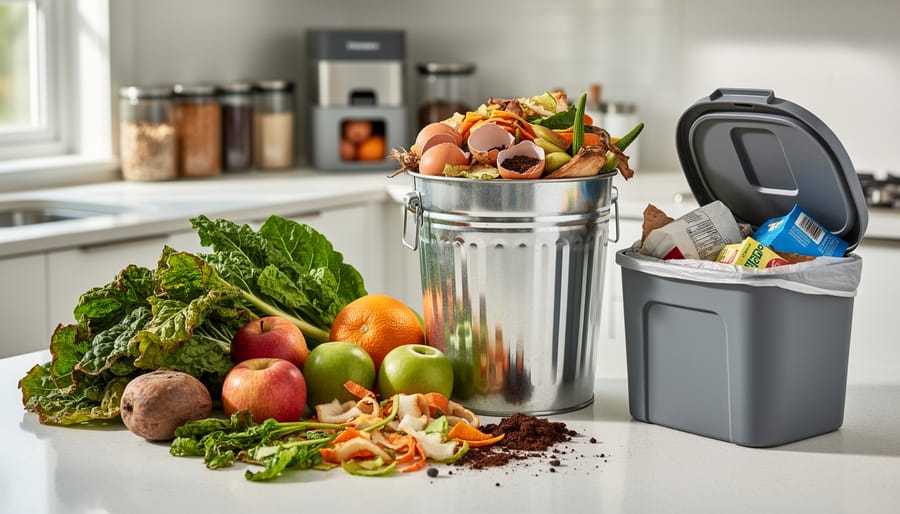
Even with the best planning, some food scraps are inevitable. Potato peels, banana skins, coffee grounds, and eggshells don’t belong in the trash, they belong back in the soil. Composting transforms these unavoidable leftovers into nutrient-rich matter that feeds future gardens, closing the loop rather than ending in a landfill.
If you’re in a Canadian city, check whether your municipality offers curbside green-bin collection. Toronto, Vancouver, Edmonton, and dozens of other communities now accept food scraps alongside yard waste, making composting as simple as sorting your recycling. Just toss compostables into the bin, and the city handles the rest.
Renters and apartment dwellers have options too. Countertop composters like the Lomi or FoodCycler break down scraps into odorless, soil-like material within hours, no outdoor space required. Vermicomposting (worm bins) works quietly under the sink and produces castings that houseplants love.
Think of composting as your backup plan, not a sign you’ve failed. You prevented waste upstream with better storage and meal planning. Composting simply catches what slips through, ensuring nothing edible goes to waste and organic matter returns where it can do good.
You don’t need to overhaul your entire kitchen routine overnight. Pick one strategy that feels doable, maybe the ‘Eat Me First’ bin or freezing bread before it goes stale, and give it a try for two weeks. Once it becomes second nature, layer in another habit.
These small shifts add up quickly. A household that masters fridge layout and meal planning can easily cut food waste by a third, saving hundreds of dollars annually while sending less to the landfill. Multiply that across neighbourhoods, cities, and provinces, and the collective impact becomes substantial.
The beauty of these methods is their flexibility. They work whether you’re cooking for one or feeding a family, renting a small apartment or managing a suburban household. Start where you are, use what you have, and remember that progress beats perfection. Every carrot top saved, every leftover transformed, and every loaf frozen is a quiet victory worth celebrating.